The Bahamas doesn’t have a true off-season the way some destinations do — it’s warm year-round — but “warm and pleasant” and “warm and humid with a storm on the radar” are very different trips with young kids. Hurricane season, crowd surges, and even the age of your kids all shift which months actually make sense for your family.
Filter out the noise and find what works for your family.
Every resort we review gets one of four Family Fit ratings. The rating is based on kids programming, amenities, vibe, and who the resort actually markets to - not just whether they allow children.
Discover My Ideal Resort →The Short Version
- Hurricane season officially runs June 1 through November 30, with the highest risk concentrated in September and October
- January and February bring the most comfortable weather — 70-75°F with low humidity — and are widely considered the most pleasant months to visit
- The two biggest crowd surges are the December 18-New Year’s holiday stretch and March spring break; August through October is the quietest window for tourism
- September and October also carry the lowest hotel prices of the year, a direct tradeoff against the highest storm risk
- Early December and May/early June are shoulder-season sweet spots — 20-40% off peak pricing with meaningfully lower hurricane risk than late summer/fall
- Junkanoo, the Bahamas’ signature festival, happens Boxing Day (Dec 26) and New Year’s Day — fun for families but loud, early-morning, and worth planning around rather than stumbling into with a very young child
Hurricane Season: What It Actually Means for a Family Trip
June through November is hurricane season, but that doesn’t mean six months of bad weather — most days even in September, the riskiest month, are fine. What it means practically is a nonzero chance of a storm disrupting travel dates, so families visiting in this window benefit from travel insurance that covers weather cancellations and some flexibility built into the itinerary rather than a tightly booked, non-refundable trip. September carries the highest risk specifically; if avoiding hurricane exposure entirely matters more to your family than getting the lowest price, steering clear of August through October is the more conservative call.
January-February: The Comfort Window
If pure weather comfort is the deciding factor, January and February are the standout months — temperatures in the low-to-mid 70s with notably lower humidity than the summer stretch, which makes a real difference for young kids who overheat faster than adults. This is also peak season pricing-wise, so it’s a tradeoff: best weather, but also the most expensive and most crowded window alongside the holiday surge.
Spring and Early Summer: A Middle Ground
March and April bring dry weather in the low 80s — still comfortable, with less of the peak-season price premium than January-February, though March overlaps with spring break crowds worth checking against your specific travel dates. May and June shift toward afternoon showers and rising humidity as hurricane season technically opens June 1st, but early June specifically is often a shoulder-season pricing sweet spot before the summer heat and later hurricane risk really set in.
The Value Window: September-October
For families prioritizing budget over weather certainty, September and October are the lowest-priced months of the year, and Bahamian rain during this stretch tends to arrive as short, heavy bursts rather than all-day washouts. This is a legitimate strategy for a flexible family without a fixed vacation window, but it only works well paired with trip insurance and a genuine willingness to shift dates if a storm is tracking toward the islands — not a fit for a family that can’t absorb a schedule change.
Crowds: Two Peaks to Plan Around
The December 18-New Year’s stretch is the single busiest period, driven by holiday travel and, for families staying through it, the Junkanoo festival on December 26th and January 1st. Junkanoo itself is a genuine cultural experience — costumed parades with goatskin drums, cowbells, whistles, and horns — but it runs early morning, draws large crowds, and can feel overwhelming for very young kids; families with toddlers who want to catch it are usually better off scouting a viewing spot in advance and planning to leave once the kids have had enough rather than committing to the full parade. March spring break is the other predictable crowd spike, worth checking against school calendars if a quieter trip matters more than school-break timing.
Matching the Season to Your Kids’ Ages
For infants and toddlers who overheat easily and don’t yet care about festivals or crowds, the cooler, less crowded shoulder months — early December or late April into May — tend to be the easiest fit, avoiding both the January-February crowd peak and the late-summer heat and humidity. For school-age kids who’d genuinely enjoy Junkanoo or a livelier holiday atmosphere, the December peak is worth the added cost and crowds specifically for that experience. And for a flexible family chasing value over certainty, September-October rewards patience with real savings, provided a shifted travel date isn’t a dealbreaker.
Rainfall by Season, at a Glance
Layering in rainfall specifics: January through March is both the coolest and driest stretch of the year, typically under 2 inches of rain a month. Rainfall roughly doubles by June as the wet season builds, and August and September are consistently the wettest months of the year, often logging 5 inches or more — a pattern that lines up with hurricane season’s own late-summer peak. By November and December, rainfall drops back toward 2-3 inches a month as the dry season reasserts itself, right as temperatures ease into the more comfortable range covered above.
Quick Answers
- Is it safe to visit the Bahamas during hurricane season? Most days are fine even in peak months, but travel insurance and flexible dates are worth having June through November, especially in September.
- What’s the single best month for a family trip? January or February for weather comfort, or early December/late May for a balance of good weather, lower crowds, and better pricing.
- Is Junkanoo worth planning a trip around with young kids? It’s a genuine highlight for school-age kids, but the early-morning timing and crowds can be a lot for toddlers — scout a viewing spot in advance either way.
Things to Do in the Bahamas
Browse family-friendly tours and activities in the Bahamas, ranked from real traveler reviews.
Where to Stay in the Bahamas
A few family-friendly places to base your trip:
 Atlantis Paradise Island
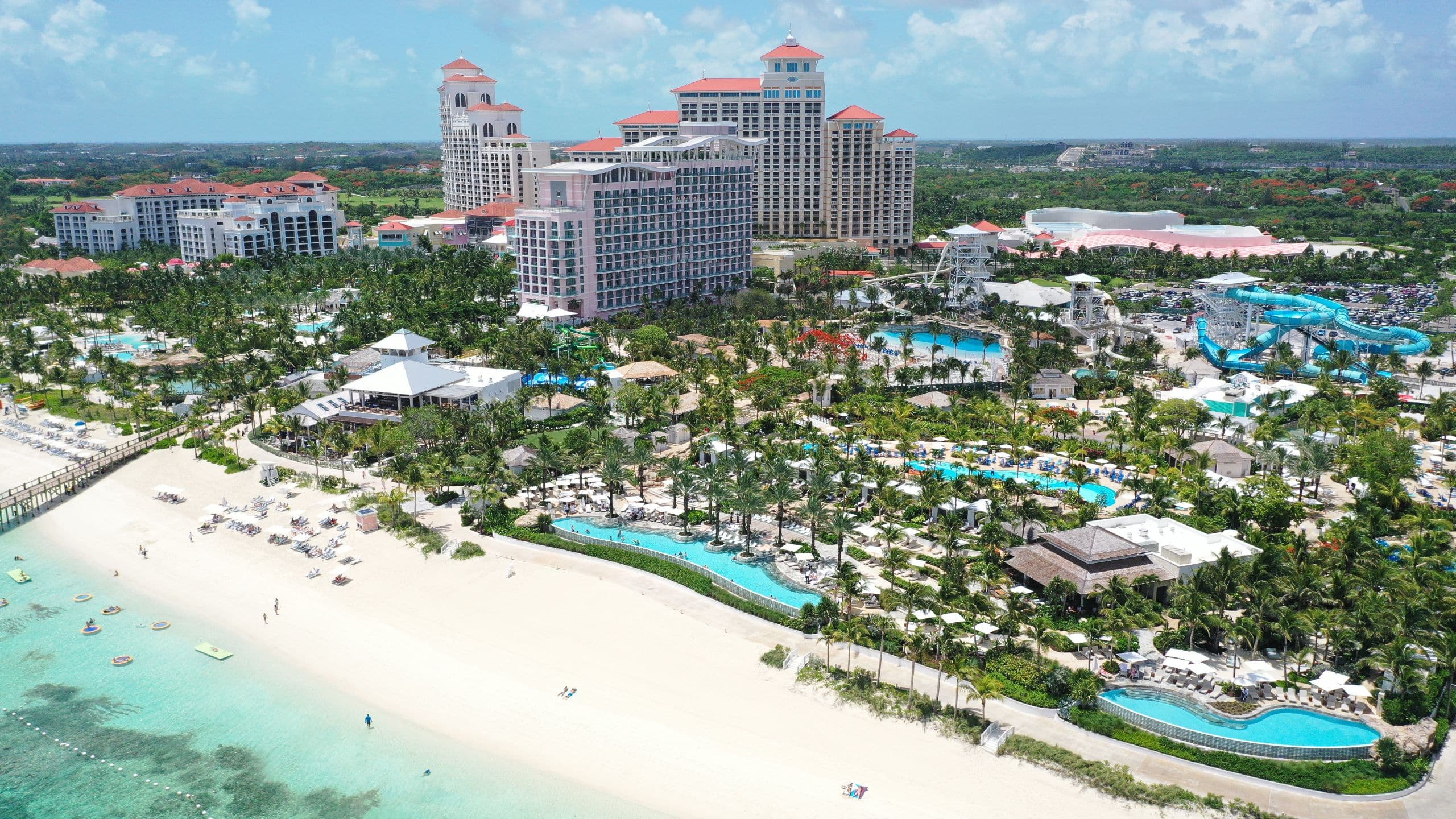 Grand Hyatt Baha Mar
 Comfort Suites Paradise Island
 The Ocean Club, A Four Seasons Resort
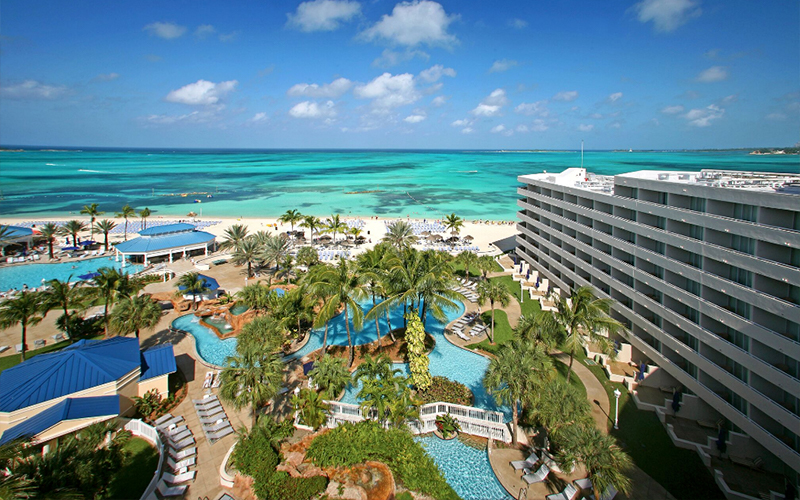 Meliá Nassau Beach – All Inclusive
Ready to Plan Your Bahamas Trip?
Get a personalized family itinerary built around your kids ages, interests, and travel style — free.