Aruba’s pitch has always been “one happy island” with weather that barely changes, and for the most part that’s true — it sits outside the main Caribbean hurricane belt, and the temperature swing between the coolest and hottest months is only a few degrees. But “the weather is always good” doesn’t mean every month is equally good for a family trip. Crowds, prices, and even wind conditions shift a lot more than the temperature does, and those are the things that actually affect a trip with kids.
Filter out the noise and find what works for your family.
Every resort we review gets one of four Family Fit ratings. The rating is based on kids programming, amenities, vibe, and who the resort actually markets to - not just whether they allow children.
Discover My Ideal Resort →1. The Weather Really Doesn’t Change Much
Average highs run from about 82°F in January to 88°F in September, which is a narrow enough range that “weather” isn’t the deciding factor for most families. What does shift is rainfall: October through December is the wetter stretch, though showers on Aruba are typically brief — a few minutes, often in the early morning or evening — and clear skies return quickly. This is very different from a full-day tropical downpour, so a family visiting in November shouldn’t expect washed-out days, just the occasional short shower.
2. Hurricane Season Is Mostly a Non-Issue
The official Caribbean hurricane season runs June through November, but Aruba’s location south of the main hurricane belt means direct hits are rare — most storms track well north or west of the island. That’s one of the reasons Aruba stays a viable warm-weather option even in months when other Caribbean destinations are riskier bets. It’s still worth checking the forecast in the week before you travel, as with any trip, but it shouldn’t be the main factor keeping you away from a fall or early-winter booking.
3. December Through April Is Peak Season — and Peak Prices
This is when Aruba is busiest and most expensive, driven by snowbirds escaping colder climates and, within that window, US spring break travelers. If your family’s schedule is tied to school breaks, this is probably when you’re going anyway, so the practical move is to book flights and accommodations early — rooms in the larger condo-style rentals and accessible resort rooms go first.
4. Spring Break Weeks Skew Younger and Louder
Mid-March through mid-April brings a wave of college-age travelers, with late March typically the single busiest week. This crowd tends to cluster around beach parties, casinos, and nightlife rather than family activities, but it does mean fuller restaurants, busier beaches, and higher noise levels in the main Palm Beach strip. Families who have some flexibility can often get the same weather with noticeably lighter crowds by booking the week just before or just after that peak stretch.
5. September Through November Is the Value Window
This is the cheapest time to visit, with rates commonly 30-50% below peak season, and it lines up with the tail end of hurricane season and the start of the rainier months — which, again, mostly means short evening showers rather than trip-ruining weather. If your family isn’t locked into a school calendar, this stretch is worth a serious look for the savings alone.
6. The Sweet Spot: Late April, May, and October
These shoulder-season months tend to balance all three factors families care about: good weather, manageable crowds, and prices that haven’t hit peak-season highs. May in particular sits right after spring break winds down and before summer family travel ramps up, making it a quieter window with strong value.
7. Wind Picks Up Mid-Year
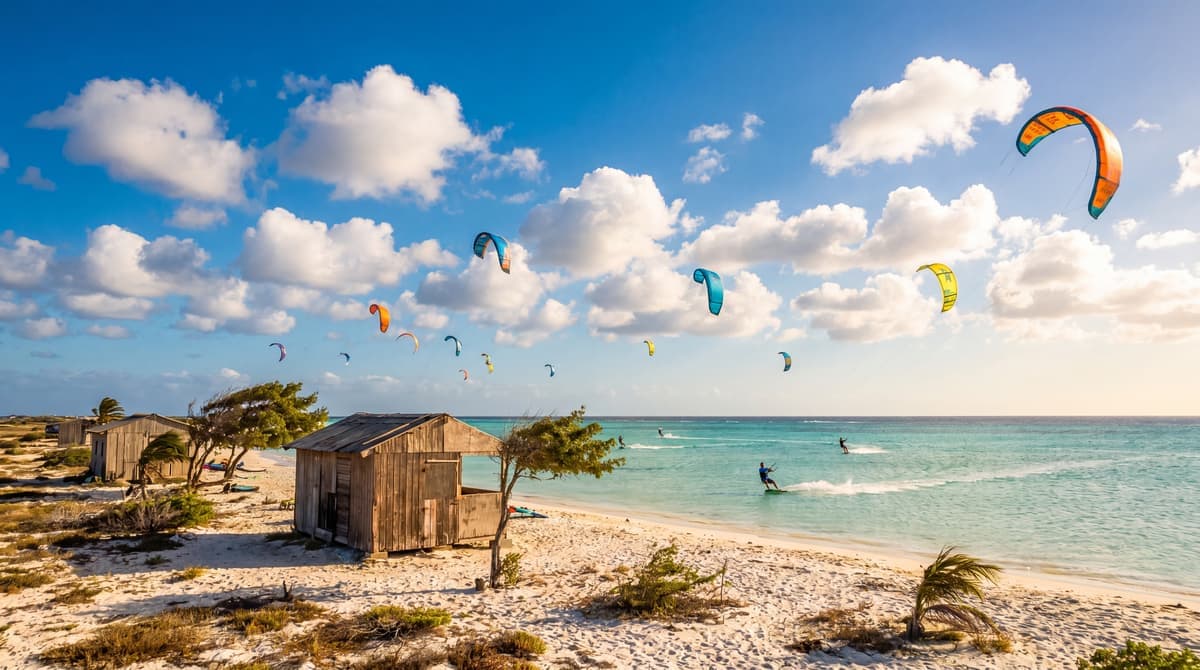
Aruba is known for steady trade winds, but they’re strongest from roughly June through August, which is why the island is a popular windsurfing and kitesurfing destination in summer. That’s a plus if your family is into water sports, but worth knowing if you’re hoping for calmer, glassier water for young swimmers — the northern and western beaches (Eagle Beach, Palm Beach) are more sheltered than the windward side.
What About Carnival Season?
Aruba’s Carnival celebrations run for several weeks leading up to Lent, typically January through early March depending on the year, with parades, music, and events across the island — including a Children’s Parade that’s genuinely family-oriented. It’s a fun cultural add-on if your dates overlap, but it also means extra crowds and traffic around parade routes and downtown Oranjestad on event days, so build in extra time getting around if you’re visiting during that stretch.
Quick Answers
- Is there a bad time to visit Aruba with kids? Not really — even the rainiest months bring short showers rather than washed-out days. The bigger factors are crowds and price, not weather.
- When are hotel prices lowest? September through November, with rates commonly 30-50% below the December-April peak.
- Should we avoid spring break entirely? Not necessarily — booking the week before or after the mid-March to mid-April peak gets similar weather with noticeably lighter crowds.
Before You Book
- Locked into school breaks? Book accommodations and flights as early as possible for December-April travel — the family-sized condo units go first.
- Flexible on timing? May and October offer close-to-peak weather with meaningfully lower prices and crowds.
- Traveling in fall? Don’t rule it out over hurricane worries — Aruba’s track record outside the main storm belt is strong, and the savings are real.
- Want calmer water for younger kids regardless of season? Stick to Eagle Beach or Palm Beach, which stay more sheltered from the stronger mid-year trade winds.
Where to Stay
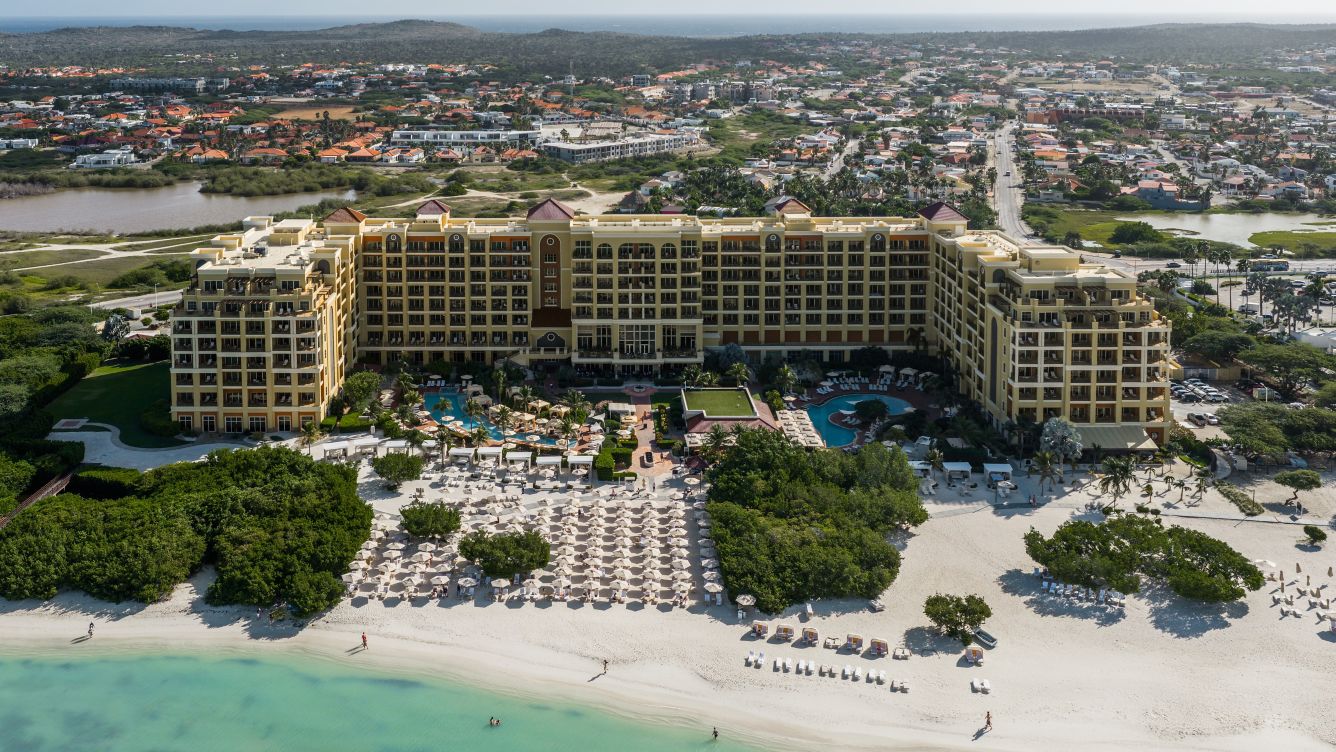 The Ritz-Carlton, Aruba
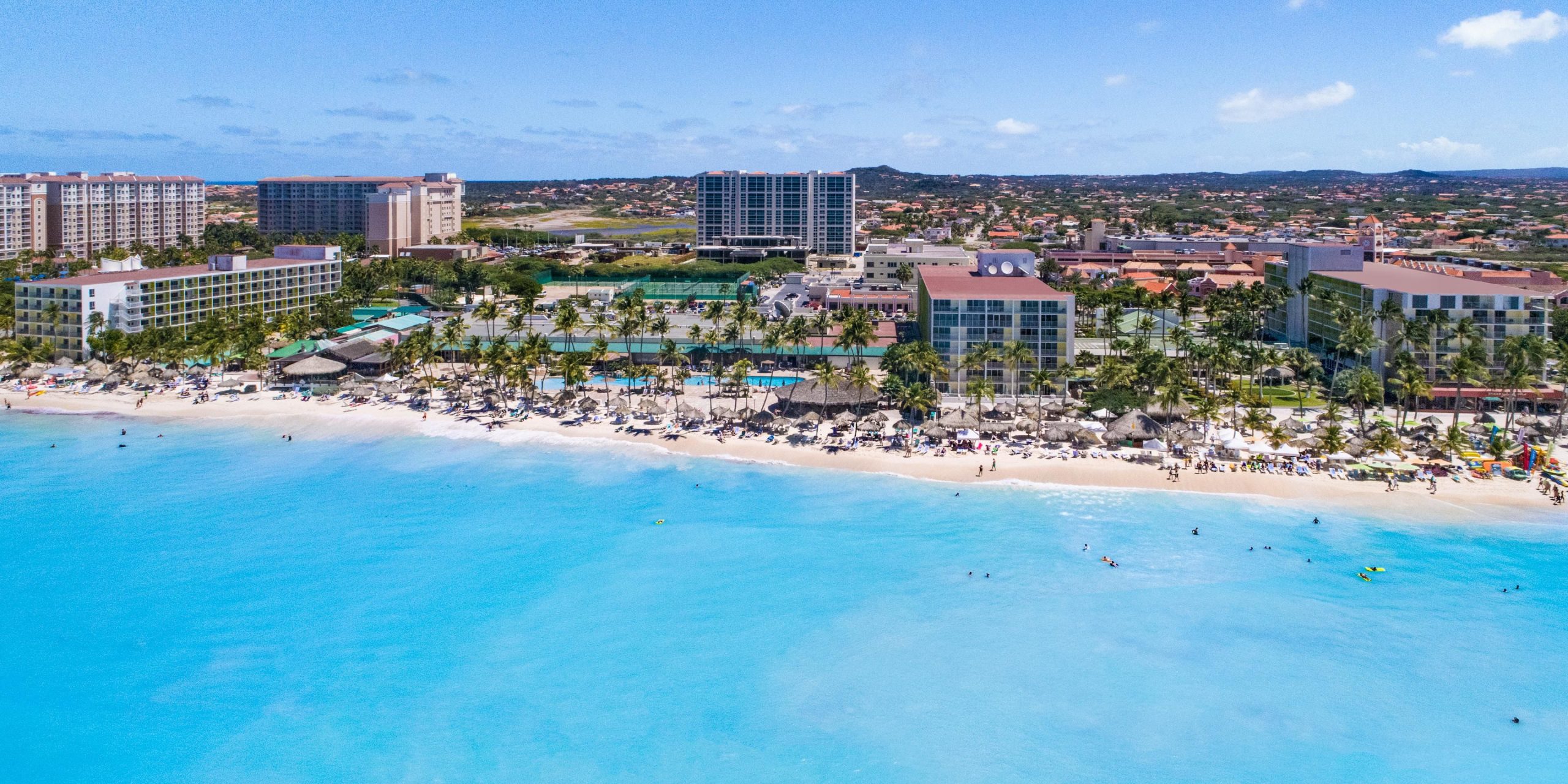 Holiday Inn Resort Aruba
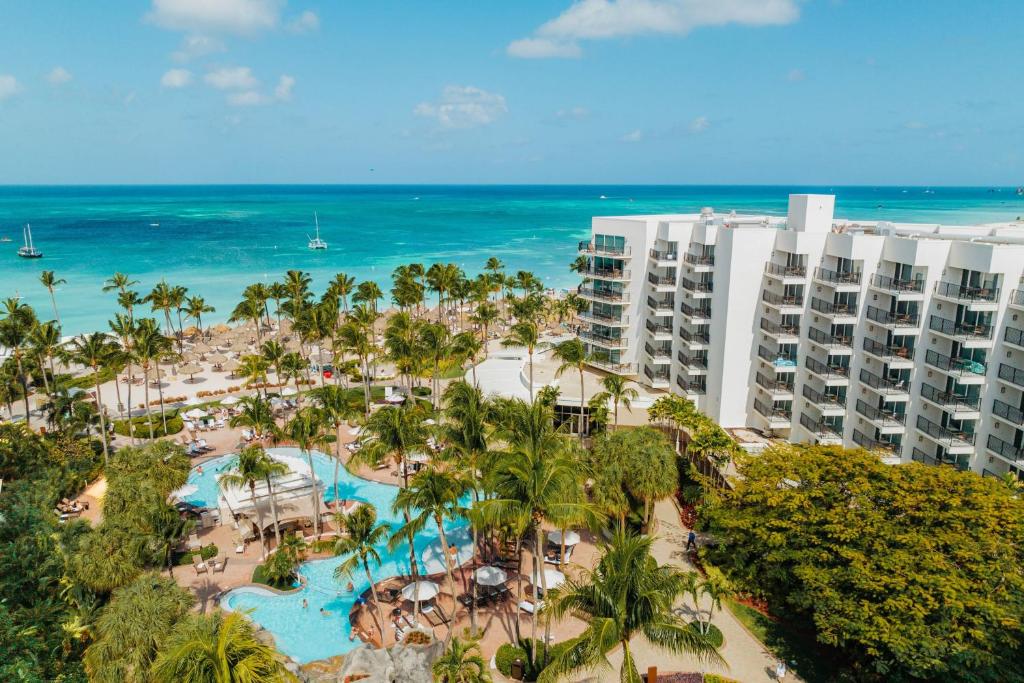 Aruba Marriott Resort & Stellaris Casino
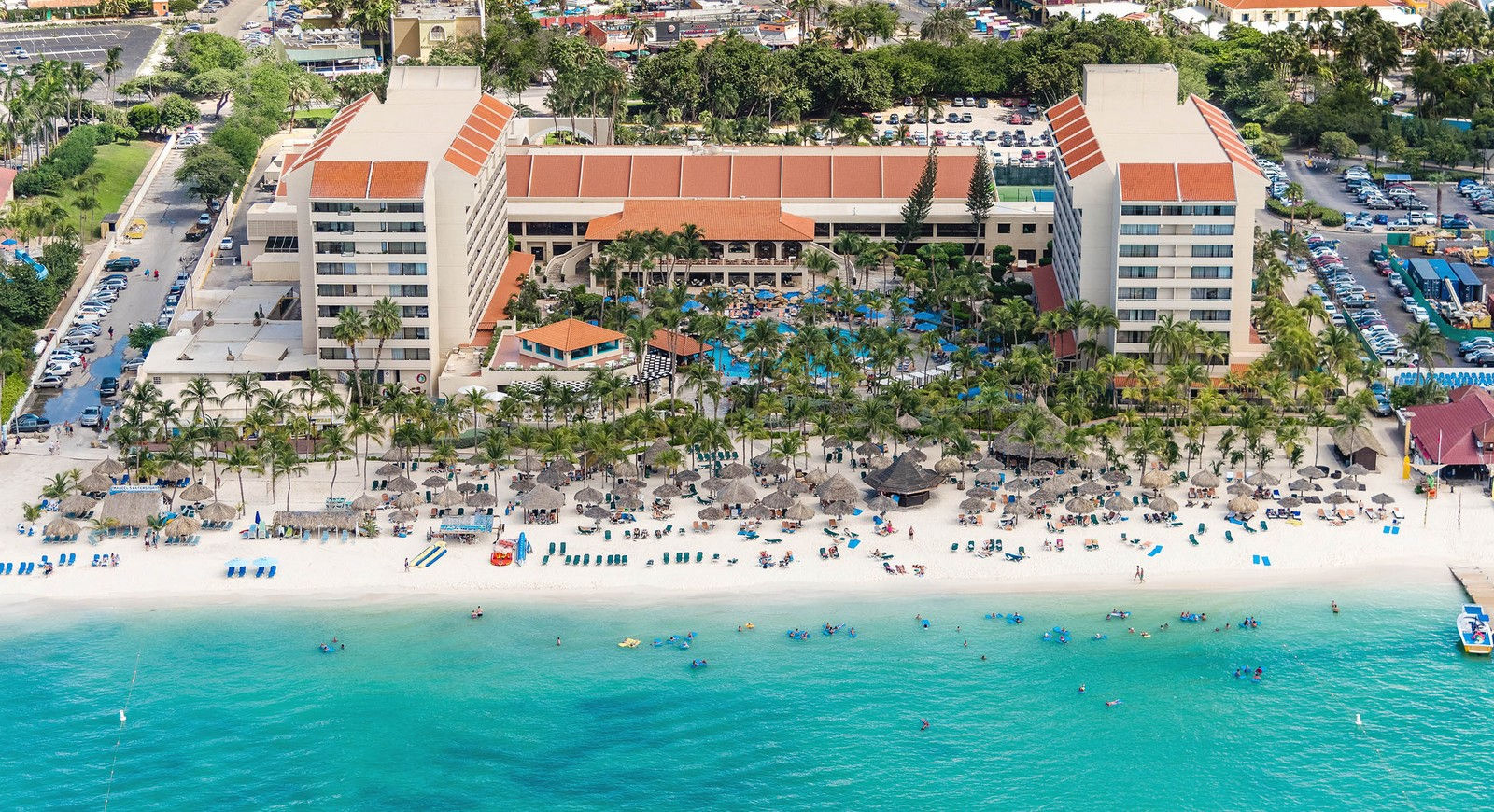 Barceló Aruba
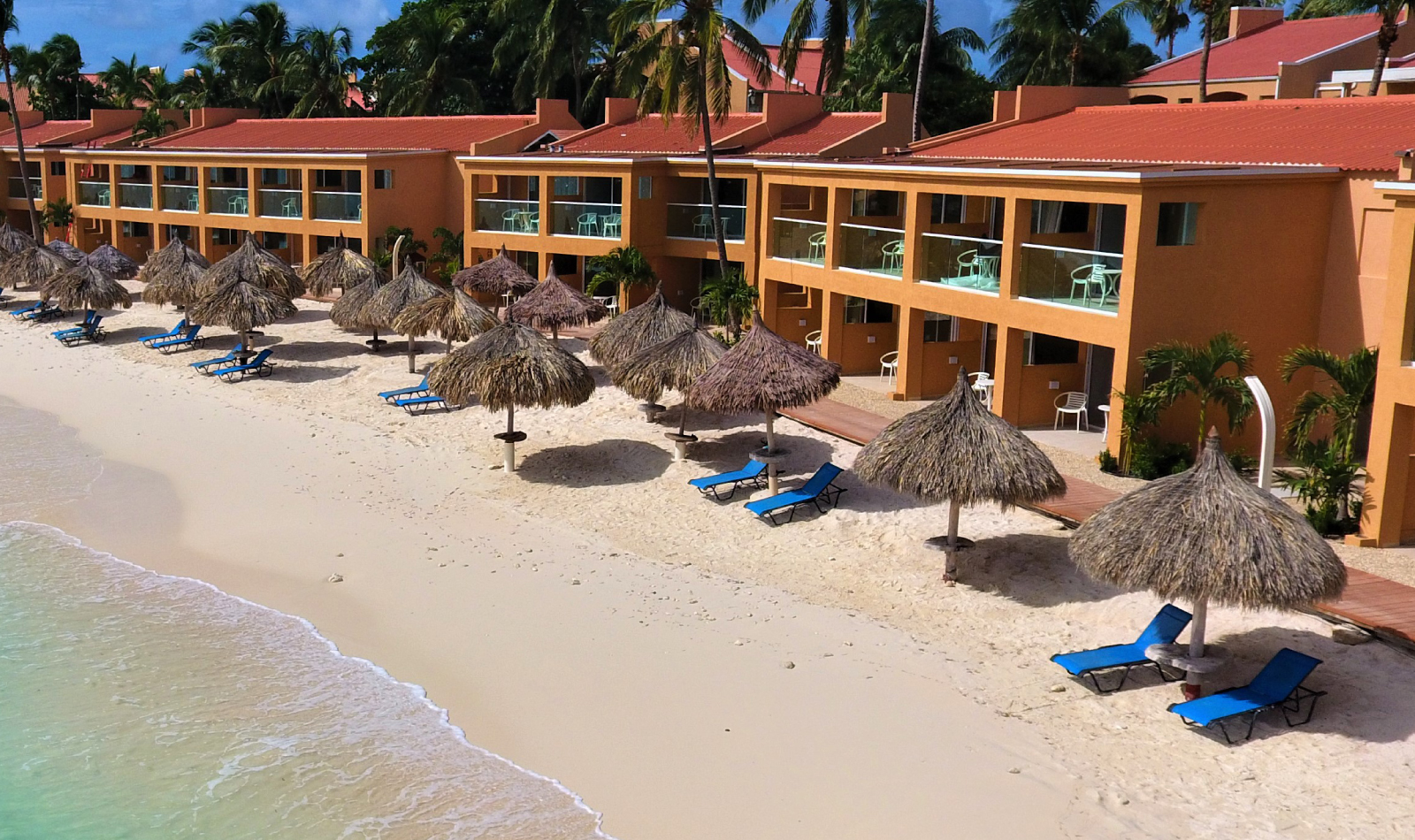 Tamarijn Aruba All Inclusive
Things to Do in Aruba
Browse family-friendly tours and activities in Aruba, ranked from real traveler reviews.
Ready to Plan Your Aruba Trip?
Get a personalized family itinerary built around your kids ages, interests, and travel style — free.