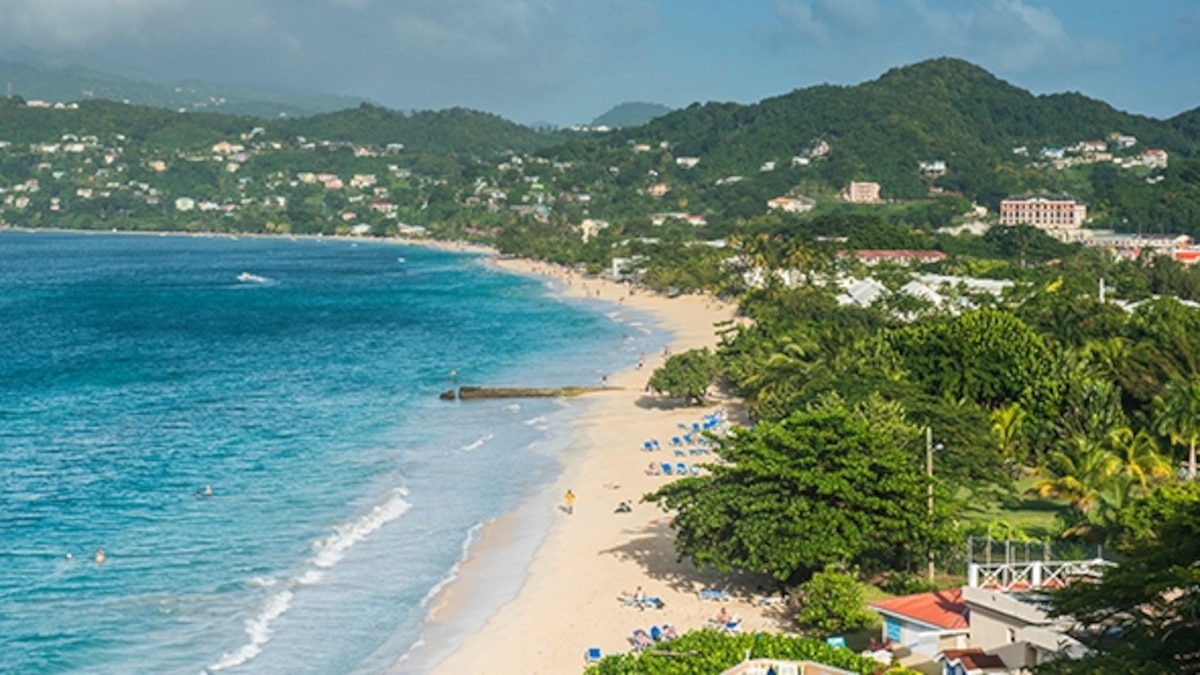
Grenada — the “Spice Isle” — sees its driest, sunniest weather from February through May and its wettest months in October and November, with the Atlantic hurricane season running June through November. Here’s how to time a family trip around it.
What to Know
- Dry season (February-May) has the lowest rain risk and the best beach weather — also the priciest and most crowded stretch.
- June and July bring some of the best daytime temperatures of the year, with lower humidity than late summer.
- October and November see the highest rainfall of the year — expect frequent, sometimes prolonged showers.
- Spicemas, Grenada’s carnival, runs in early August (2026 dates: August 6-12) and brings big crowds to St. George’s.
- Grenada sits south of the main hurricane belt, so direct hits are rare, but the June-November window still carries real storm risk.
Dry Season: February Through May
This is Grenada’s most reliable weather window — showers are “few and sporadic,” days are sunny, and beach plans rarely get derailed. It’s also peak season, meaning higher hotel rates and busier resorts, especially around Grand Anse Beach. March and April in particular combine warm, dry days with slightly lower crowds than the December-February holiday stretch.
Filter out the noise and find what works for your family.
Every resort we review gets one of four Family Fit ratings. The rating is based on kids programming, amenities, vibe, and who the resort actually markets to - not just whether they allow children.
Discover My Ideal Resort →The Shoulder Months: June-July and Early December
June and July often bring the best daytime temperatures of the year — highs in the high 80s Fahrenheit with nights around 70°F — before the wettest months set in. Early December, before the holiday crowds arrive, is another reasonable shoulder window with lower rates and manageable rain risk. Both stretches fall inside hurricane season, so it’s worth watching the tropical forecast in the weeks before you travel.
Rainy Season: June Through December
Grenada’s rainy season is long by Caribbean standards, running June through December, with rainfall peaking in October and November. Showers are typically heavy but brief rather than all-day washouts, so a trip during these months is still workable — just build in backup indoor and covered activities (see our rainy day guide) rather than planning every day around the beach.
Hurricane Season and Storm Risk
The Atlantic hurricane season runs June 1 through November 30. Grenada sits south of the Caribbean’s main hurricane belt, so direct hits are historically rare compared to islands further north, but the island still experiences high winds and heavy rain from storms passing nearby. Travel insurance with weather-related coverage is a reasonable precaution for trips booked during peak hurricane months (August-October).
Spicemas and Other Timing Considerations
Spicemas, Grenada’s carnival, is the island’s biggest annual event — 2026 dates run August 6-12, with the main parade days drawing large crowds and street closures in and around St. George’s. It’s a genuinely fun, high-energy time to visit if your family enjoys festivals and live music, but expect fuller flights, higher hotel rates, and more noise and crowding in the capital during the peak days.
Packing for Grenada’s Weather
A light rain jacket or packable poncho is worth including regardless of which month you travel, since even the driest stretches see the occasional passing shower. Reef-safe sunscreen matters more here than on some islands, since several of Grenada’s most popular snorkel sites (including the Underwater Sculpture Park) sit within a marine protected area. If you’re traveling during hurricane season, keep your travel insurance policy number and airline app handy, and check the forecast a few days out rather than the week before you leave.
Booking Timing Around Weather
Because Grenada’s dry season overlaps with the Caribbean’s overall winter high season, the best weather months are also the most expensive and heavily booked — reserving flights and accommodation several months ahead is worth it if you’re set on February through May. Families with more schedule flexibility can often find meaningfully better rates by shifting a trip into June or early July, trading a small amount of rain risk for real savings and thinner crowds.
A Quick Month-by-Month Cheat Sheet
December through May: sunny, dry, and the most crowded and expensive stretch of the year. June and July: still relatively dry with excellent temperatures, but the start of hurricane season. August through September: hot, humid, and the peak of hurricane risk, though Spicemas makes early August a fun trade-off for festival-minded families. October and November: the wettest, least crowded, and cheapest months, best suited to flexible travelers comfortable planning around frequent showers.
Packing for the Season You Choose
If you’re traveling in the wetter months, pack a light rain jacket and quick-dry clothing rather than canceling outdoor plans altogether — Grenada showers tend to pass quickly, and a well-prepared family rarely loses a full day to rain.
Plan Your Days in Grenada
Browse family-friendly tours, hikes, and day activities on the Spice Isle.
Quick Answers
What is the best month to visit Grenada with kids?
March and April generally offer the best balance of dry weather and manageable crowds, just ahead of the busiest holiday season.
Is Grenada in the hurricane belt?
Grenada sits south of the Caribbean’s main hurricane track, so direct hits are rare, but the island still gets storm-related wind and rain during the June-November season.
When is Spicemas in Grenada?
Spicemas 2026 runs August 6-12, centered in St. George’s, with the biggest crowds during the final parade days.
Where to Stay in Grenada
A few family-friendly places to base your Grenada trip:
 Spice Island Beach Resort, Grand Anse
 True Blue Bay Boutique Resort
 Coyaba Beach Resort, Grand Anse
Ready to Plan Your Trip?
Get a personalized Grenada itinerary built around your kids’ ages and your travel dates.