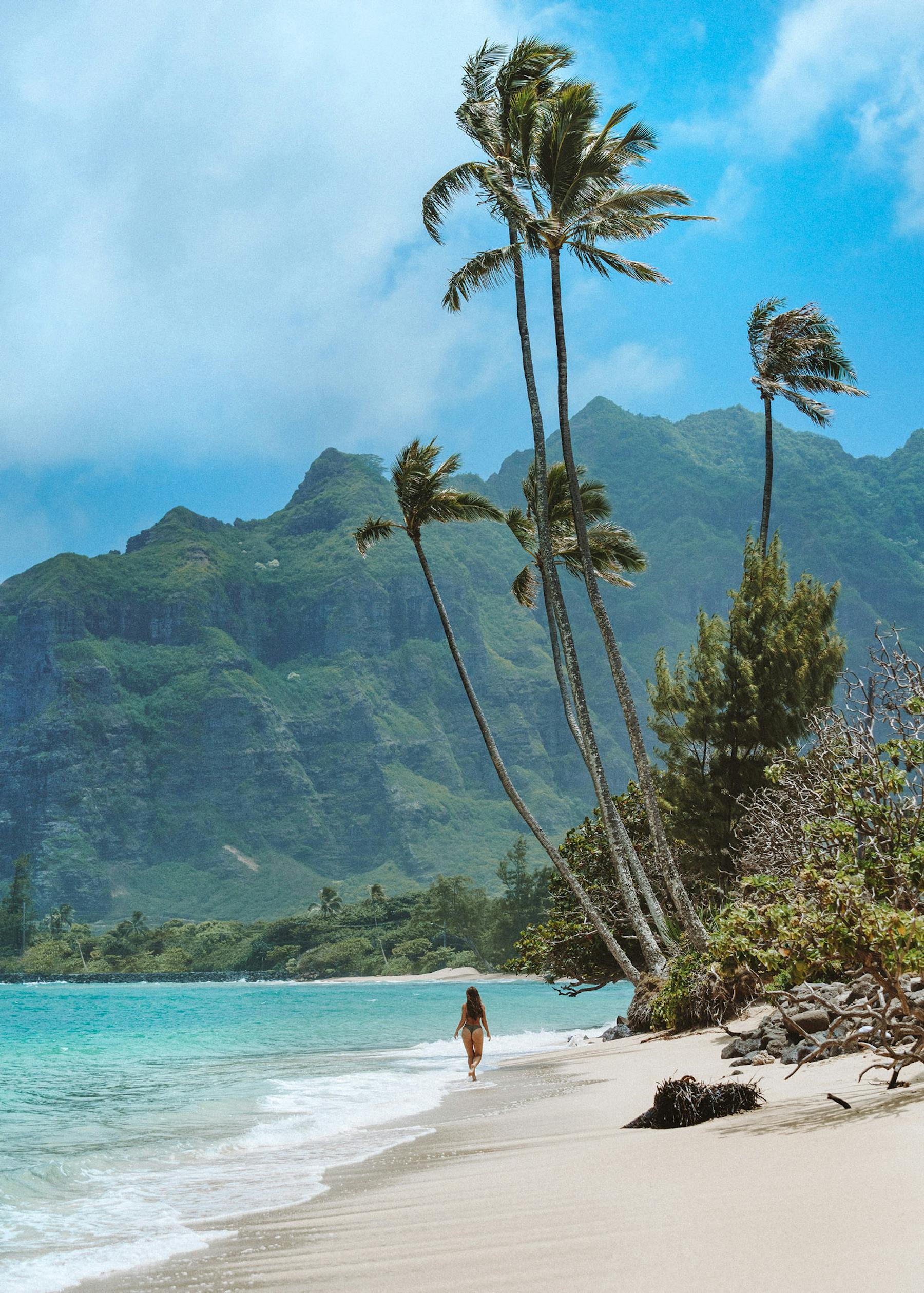
None of Oahu’s 23 existing articles address seasonality directly, even though it shapes almost everything about a family trip here — which beaches are safe to swim at, how much a hotel room costs, and whether you’re fighting crowds at Pearl Harbor or having the place mostly to yourselves. Here’s how Oahu’s year actually breaks down.
Filter out the noise and find what works for your family.
Every resort we review gets one of four Family Fit ratings. The rating is based on kids programming, amenities, vibe, and who the resort actually markets to - not just whether they allow children.
Discover My Ideal Resort →The Short Version
- Winter (November-April) brings dangerous, powerful surf to Oahu’s North and West shores, while South Shore beaches stay calm — the pattern flips in summer (May-October), when the North Shore goes flat and calm and the South Shore picks up more swell
- April-May is widely considered the best overall window — dry weather, smaller crowds, and lower rates than summer, in the gap between winter’s holiday crowds and summer break
- Winter holidays (Thanksgiving through New Year’s) and summer (June-August) are Oahu’s two peak-price, peak-crowd stretches, both driven by school schedules
- September-October is a genuine value window — crowds thin out after Labor Day and rates drop, with wetter weather not really settling in until late October
- Peak whale-watching season overlaps with winter’s rainier, more crowded stretch, so a whale-focused trip means accepting the trade-off in weather and pricing
- The “best waves” for surf spectating (Van’s Triple Crown, big North Shore swells) run December through mid-February — great for watching, genuinely hazardous for swimming at those same beaches
The Surf Season Flip: Know Which Shore You’re Near
This is the single most important seasonal fact for a family planning where to swim. In winter (roughly November through April), powerful Pacific storms send consistent, dangerous swells into Oahu’s North and West shores — inexperienced swimmers and even strong swimmers are advised to stay out of the water at these beaches during high-surf conditions. South Shore beaches, including most of Waikiki, stay calm through this same period, making them the safer bet for swimming with kids in winter. Summer (May through October) reverses the pattern: North Shore beaches go flat and calm, ideal for swimming and snorkeling, while South Shore spots can pick up larger swells generated by winter storms in the Southern Hemisphere. The practical takeaway is that “calm” and “rough” depend entirely on which coast you’re near and which month it is — always check current conditions for your specific beach rather than assuming a spot that was calm on one visit will be calm again in a different season.
April-May: The Strongest All-Around Pick
If there’s one clear winner for balancing weather, crowds, and cost, it’s April into May. The rain that builds through winter has largely cleared by March, summer’s school-break crowds haven’t arrived, and rates sit lower than either the winter holidays or summer peak. Some years see overlap with Japan’s Golden Week in late April, which can bring a different set of visitors, but overall this window offers close to the best combination of factors on the calendar.
Winter: Whales and Crowds Together
January through March brings Oahu’s peak humpback whale season, along with the tail end of winter’s rain and holiday-driven crowds. Rain is heavier earlier in winter and the island starts drying out by March, with windward sides seeing more moisture throughout. If whale watching is the priority, this trade-off — better wildlife viewing against worse weather odds and higher prices — is worth planning around consciously rather than being caught off guard by it.
Summer and Fall: Reliable Heat vs. Real Value
June through August is Oahu’s warmest, driest stretch, but also its most expensive and crowded, driven directly by summer school break — June and July see the heaviest demand. September and October offer a genuine alternative: crowds drop noticeably after Labor Day, rates soften, and the weather stays warm and mostly dry until wetter conditions typically arrive in late October. For a family not tied to a summer-only school calendar, this fall window delivers much of summer’s weather without the summer price tag or crowds.
Matching the Season to Your Trip
A family chasing whale watching should target January through March and plan around South Shore beaches for swimming, given the North Shore’s winter surf. A family prioritizing value and good weather without a specific must-see does best in April-May or September-October. A family locked into summer break gets reliably warm, dry weather in June-August at the cost of paying peak rates and sharing the island with the most other visitors of the year.
Quick Answers
- When is it safe to swim on Oahu’s North Shore? Summer, roughly May through October — winter brings dangerous, powerful surf that makes swimming there hazardous even for strong swimmers.
- What’s the best overall time to visit Oahu with kids? April-May — dry weather, smaller crowds, and lower rates than either winter holidays or summer.
- When is Oahu’s whale season? Peak viewing runs January through March, overlapping with winter’s rainier weather and higher holiday-driven prices.
Things to Do in Oahu
Browse family-friendly tours and activities in Oahu, ranked from real traveler reviews.
Where to Stay in Oahu
A few family-friendly places to base your trip:
 Aulani, A Disney Resort & Spa
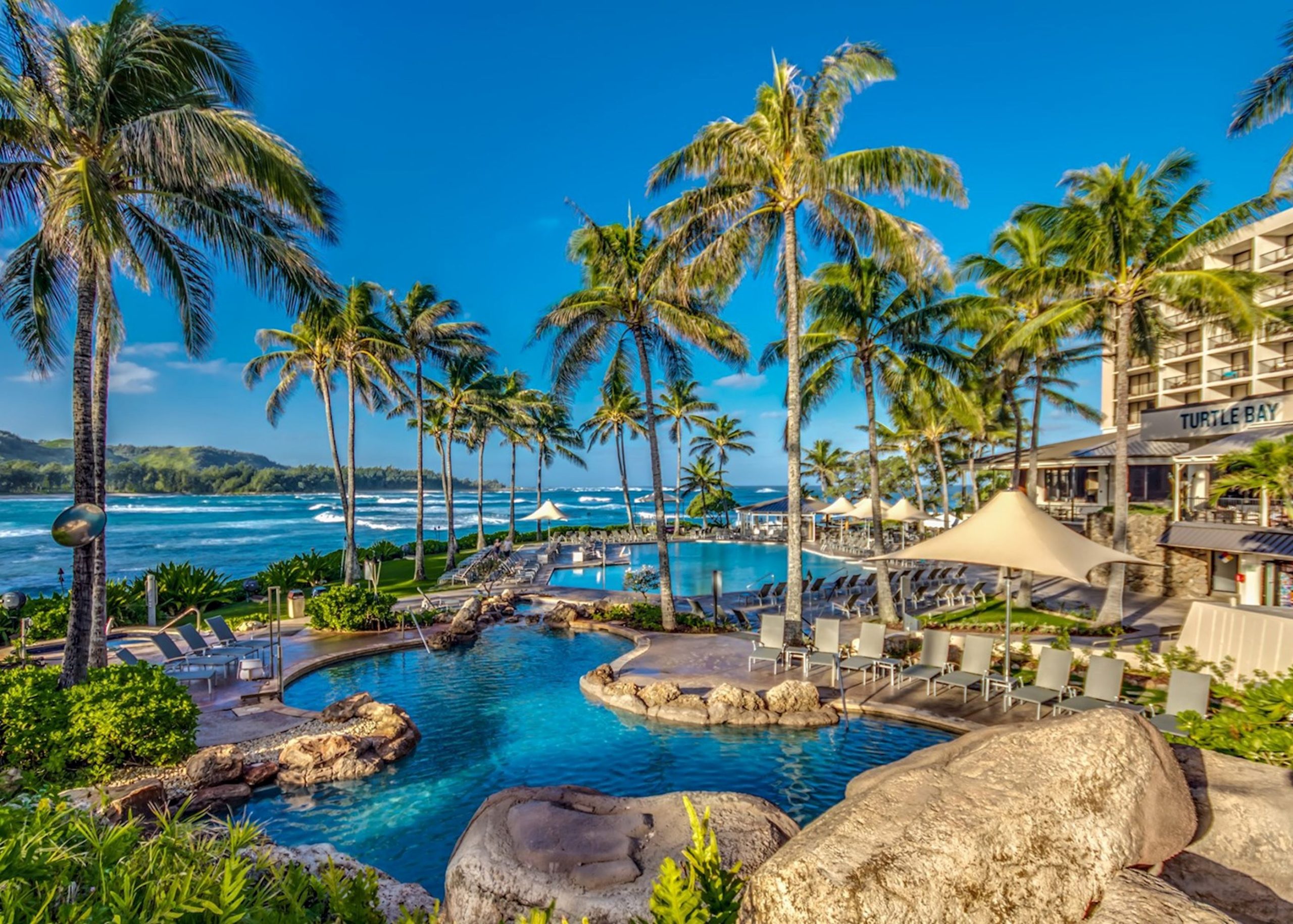 Turtle Bay Resort
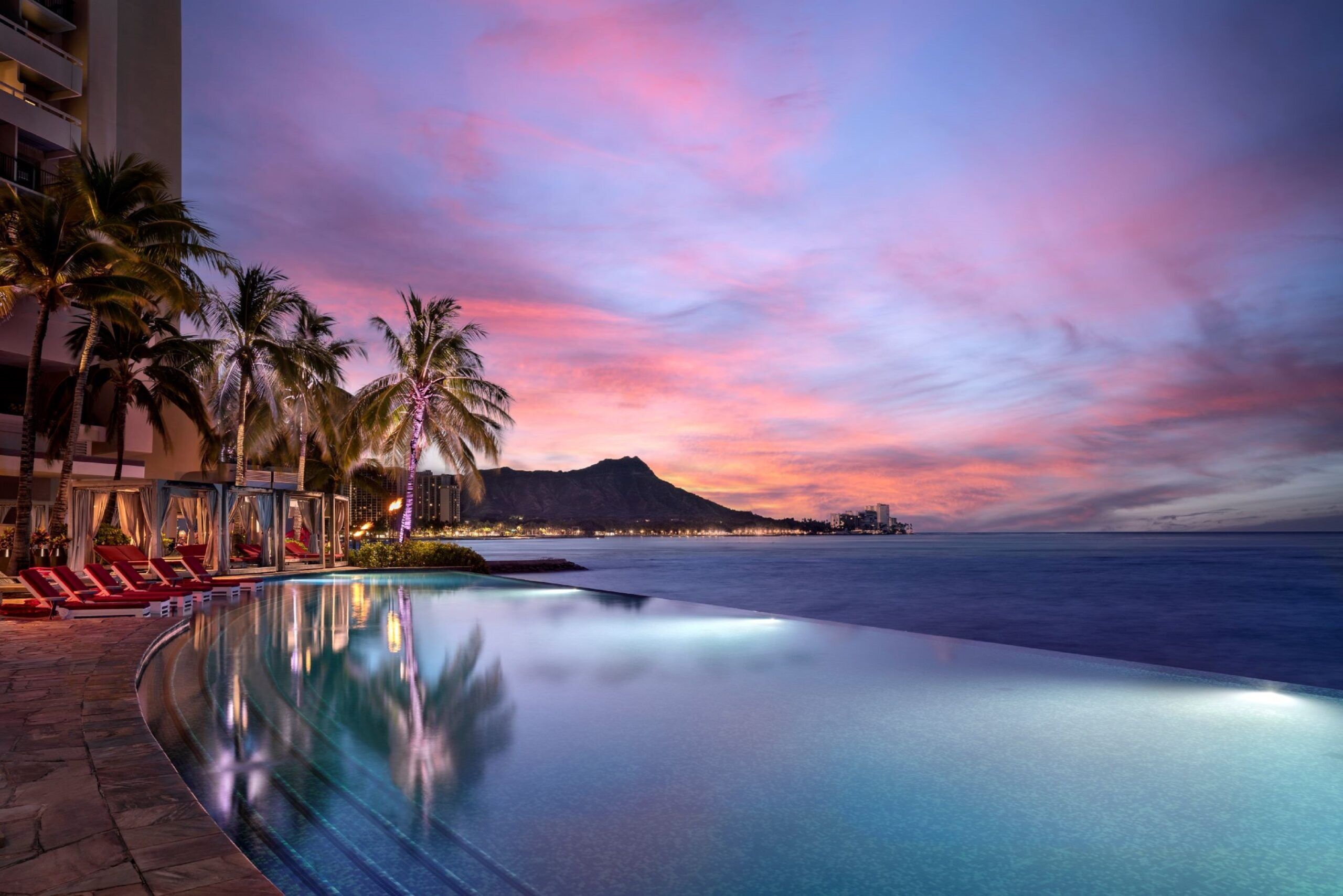 Sheraton Waikiki
 Embassy Suites by Hilton Oahu Kapolei
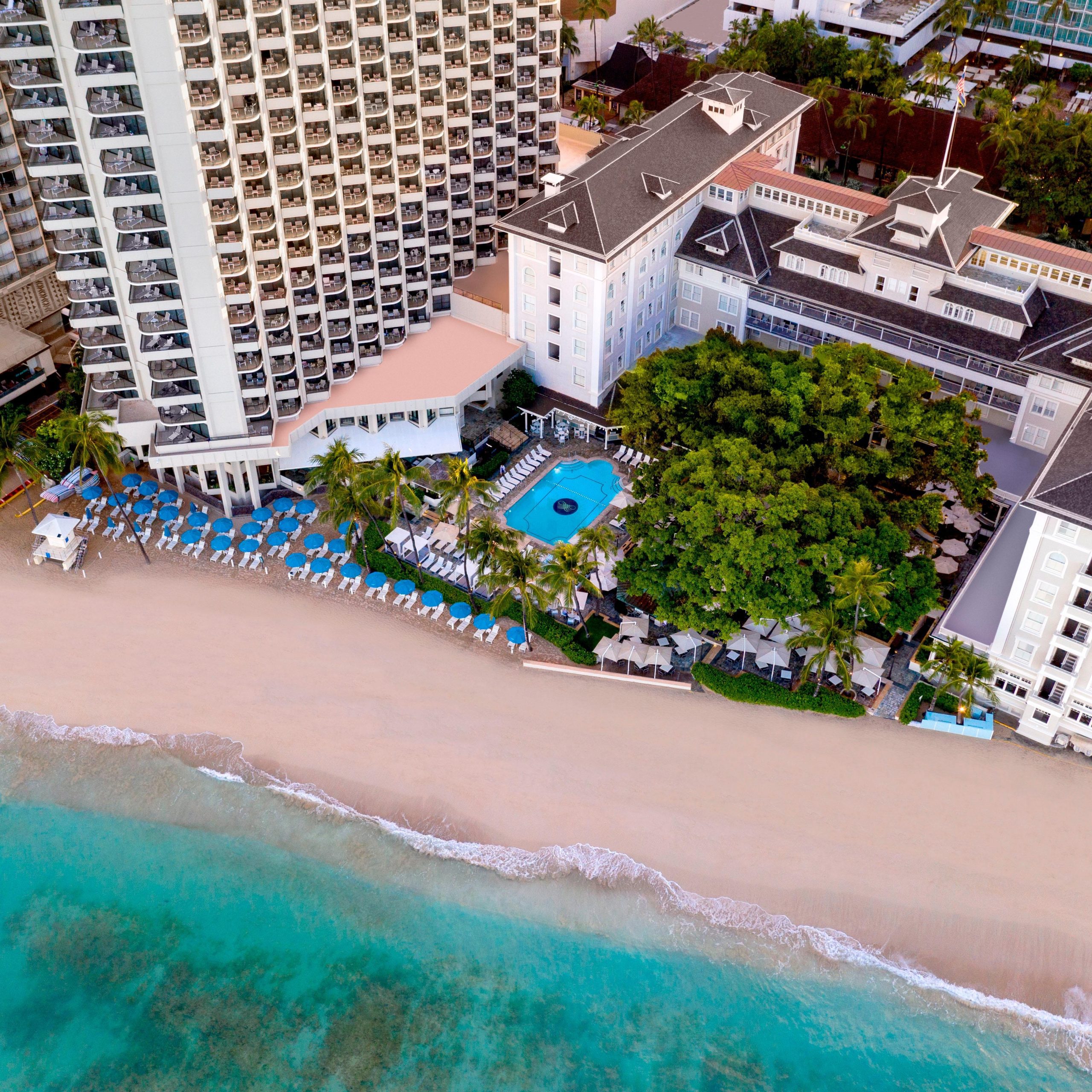 Moana Surfrider, A Westin Resort & Spa
Ready to Plan Your Oahu Trip?
Get a personalized family itinerary built around your kids ages, interests, and travel style — free.