Curacao sits outside the main Caribbean hurricane belt and stays dry and sunny most of the year, which makes seasonal planning simpler than on islands further north — but timing still affects crowds, prices, and how much rain you’ll actually see.
What to Know
- Curacao is outside the hurricane belt — tropical storms and hurricanes are rare, unlike much of the wider Caribbean.
- The driest, sunniest months are January through September; October through December brings the most (though still modest) rainfall.
- Peak season and highest prices run mid-December through April, driven by North American and European winter travelers.
- May through November is shoulder/low season with lower prices and thinner crowds, aside from a small local-holiday bump in August.
- Rain, when it happens, tends to arrive as short afternoon showers rather than sustained multi-day systems.
Why Curacao’s Weather Is More Predictable Than Most of the Caribbean
Curacao sits south of the main Atlantic hurricane track, which means the June-November hurricane season that shapes travel planning elsewhere in the Caribbean barely registers here. It’s not zero risk — storms have occasionally brushed the ABC islands — but it’s meaningfully lower than islands further north like the Bahamas or the Virgin Islands, which makes late-summer and fall travel a realistic option for families who’d avoid those dates elsewhere.
Filter out the noise and find what works for your family.
Every resort we review gets one of four Family Fit ratings. The rating is based on kids programming, amenities, vibe, and who the resort actually markets to - not just whether they allow children.
Discover My Ideal Resort →Dry Season: January-September
Most of the year in Curacao is dry by Caribbean standards, with October through December being the closest thing to a rainy season — and even then, rainfall is modest compared to islands with a true wet season. Expect consistent sun, low humidity relative to the wider Caribbean, and steady trade winds that keep the heat from feeling as oppressive as it might otherwise at this latitude.
The Wetter Stretch: October-December
Rainfall picks up modestly from October through December, though it’s rarely disruptive — short afternoon showers rather than the sustained multi-day rain systems common on wetter islands. This period also overlaps with lower prices before the December holiday surge kicks in, making late October and November a reasonable value window if a bit of rain risk doesn’t bother you.
Peak Season: Mid-December Through April
This is when North American and European winter travelers push prices and crowds up across the island, particularly around Christmas, New Year’s, and February-March school breaks. It’s also the driest, sunniest stretch of the year, so the trade-off is straightforward: best weather, highest cost, and the most competition for popular excursions like Klein Curacao, which sell out further ahead in this window.
Shoulder Season: May-September
May through September offers the best value — lower resort rates, thinner crowds at beaches and excursions, and weather that’s barely different from peak season in terms of rain. Heat and humidity build gradually through the summer, but Curacao’s steady trade winds keep it more comfortable than equivalent latitudes without that wind. August sees a small local bump from Dutch and regional summer travelers, but nothing close to the December-April surge.
What to Do If It Rains
Given how infrequent and short-lived rain tends to be, most families don’t need an elaborate backup plan — a passing shower is usually the extent of it. If one does roll through during a beach day, the Curacao Sea Aquarium and a walk through Willemstad (see our half-day Willemstad guide) both work well as indoor-adjacent alternatives, and most showers clear within an hour or two rather than washing out the whole day.
Matching Season to Your Kids’ School Calendar
If you’re tied to school holidays, winter break and spring break both fall inside Curacao’s peak season, so expect to pay top rates and book excursions like Klein Curacao well ahead — see our Klein Curacao planning guide for timing tips. Families with more flexibility, including homeschoolers or those pulling kids out for a shoulder-season trip, get the best combination of weather and price by targeting late April to early June or September to mid-November.
Rainy-Day Backup Plans
Curacao’s showers tend to be short and localized rather than all-day washouts, so the best approach is usually to wait ten or fifteen minutes rather than cancel plans outright. When rain does settle in, the Kura Hulanda Museum and the Curacao Sea Aquarium both work well as indoor-leaning backups, and Willemstad’s covered market areas make for an easy, low-key wander. Snorkeling trips are usually the first thing operators cancel in poor weather, so build a day of slack into your itinerary if diving or snorkeling is a priority, rather than scheduling it for your only full day.
Plan Your Days in Curacao
Browse family-friendly tours, snorkeling trips, and day activities in Curacao.
Quick Answers
Does Curacao have a hurricane season?
Curacao sits outside the main hurricane belt, so direct hits are rare, though not impossible — it’s considered one of the lower-risk Caribbean destinations for storms.
What is the rainiest month in Curacao?
November and December see the most rainfall, though it’s still modest by Caribbean standards and usually comes as short afternoon showers.
When is the cheapest time to visit Curacao with kids?
May through September, outside of the small August local-travel bump, offers the lowest prices and thinnest crowds.
Where to Stay in Curacao
A few family-friendly places to base your Curacao trip:
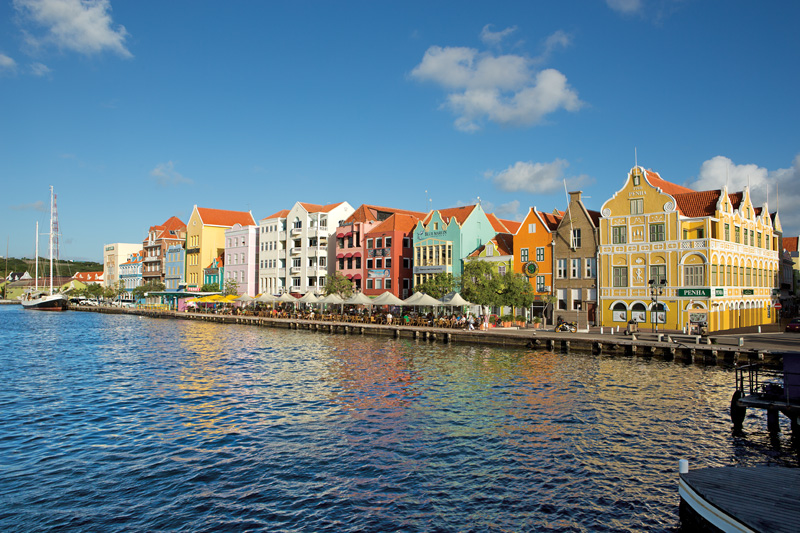 Sunscape Curacao Resort, Spa & Casino
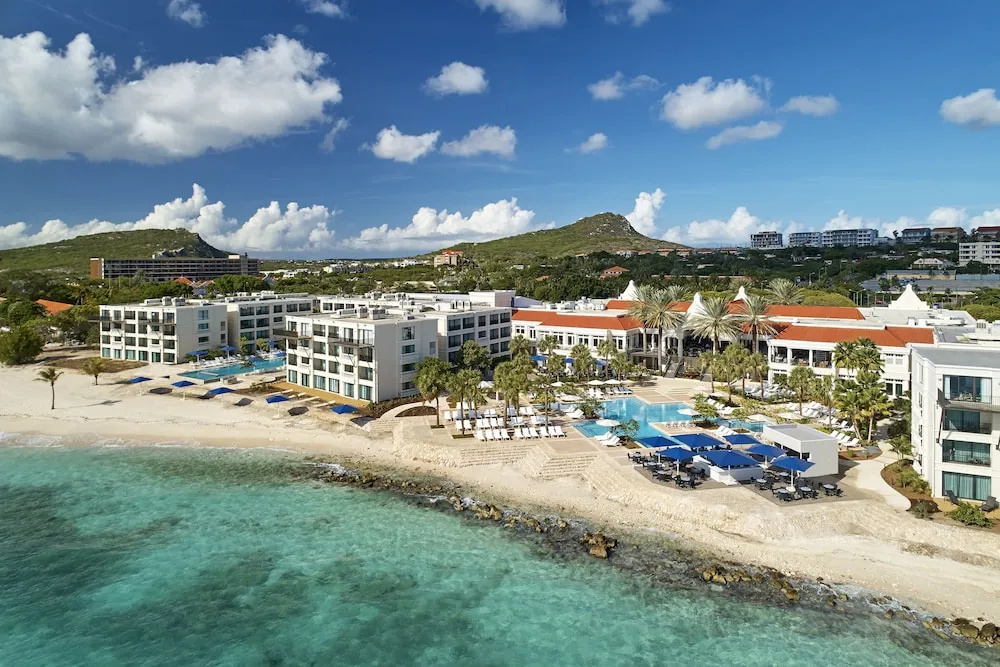 Curacao Marriott Beach Resort
 Renaissance Wind Creek Curacao Resort
Ready to Plan Your Trip?
Get a personalized Curacao itinerary built around your kids’ ages and your travel dates.