The hotel reviews here mention nightly rates and resort fees, but nothing pulls together what a full week on the Big Island actually costs once flights, a car rental (essential given the island’s size), food, and park fees are all added up. Here’s a realistic breakdown, and why the Big Island tends to run cheaper than Maui or Oahu for the same length of trip.
Filter out the noise and find what works for your family.
Every resort we review gets one of four Family Fit ratings. The rating is based on kids programming, amenities, vibe, and who the resort actually markets to - not just whether they allow children.
Discover My Ideal Resort →What to Know
- The Big Island is generally considered the most affordable Hawaiian island, largely thanks to lower Hilo-side accommodation costs and a lot of genuinely free or low-cost activities
- A weekly per-person budget ranges from roughly $490-$665 (shoestring) to $980-$1,365 (comfortable) to $1,645-$2,310 (moderate/premium)
- Car rental runs $35-$55/day in shoulder season and $55-$85/day at peak, plus $15-$25/day in gas — the island’s size makes both driving and fuel costs higher than a smaller island
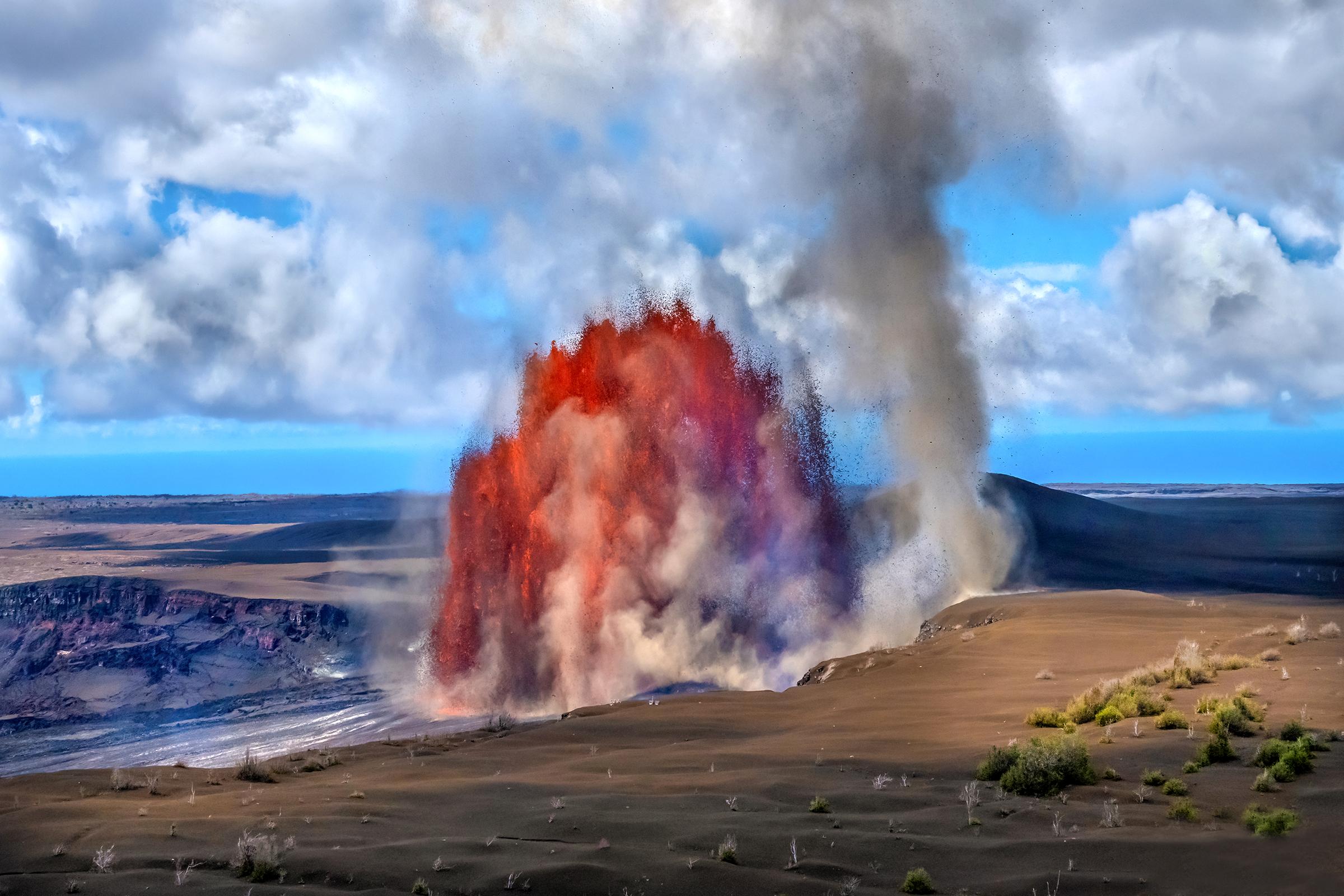
- Hawaii Volcanoes National Park charges a flat $30 per vehicle, valid for 7 consecutive days — genuinely one of the best value activities on the island given how much it covers
- Accommodation swings widely by side of the island: Hilo hotels run $90-$140/night, Kona mid-range runs $130-$180/night, and camping runs as low as $15-$80/night
- Daily food costs run roughly $25-$40 per person, with grocery breakfasts ($3-5) considerably cheaper than restaurant dinners ($8-14 for a plate lunch or poke bowl)
Why the Big Island Tends to Cost Less
Two things drive the Big Island’s relative affordability compared to Maui or Oahu. First, Hilo-side accommodation is genuinely cheaper than equivalent lodging on other islands, since it doesn’t carry the same resort-heavy pricing as the Kohala Coast or Waikiki. Second, Hawaii Volcanoes National Park‘s flat $30 per-vehicle fee, valid for a full 7 consecutive days, unlocks an enormous amount of free-to-explore terrain — hikes, lava fields, and scenic drives that would cost considerably more as paid tours elsewhere. A family that leans into these two factors — Hilo-side lodging and a volcano-centered itinerary — can meaningfully undercut what the same length of trip would cost on Maui or Oahu.
Car Rental: A Bigger Line Item Than on Other Islands
Because the Big Island is so much larger than the other Hawaiian islands, both the rental itself and the gas add up faster. Expect $35-$55 a day for a compact car in shoulder season, climbing to $55-$85 a day during peak travel periods. Gas runs $4.50-$5.50 a gallon, and families should budget $15-$25 a day for fuel given how much driving a full-island itinerary genuinely requires — crossing from Kona to Hilo alone is 1.5-3 hours depending on the route. This is one area where the Big Island can actually run higher than a more compact island, so it’s worth factoring the extra driving distance into the budget rather than assuming gas costs will match a smaller island.
Accommodation: Location Drives the Range
Where you stay changes this line item more than almost any other choice. Camping runs as low as $15-$80 a night for families willing to go that route. Hilo hotels run $90-$140 a night, a meaningful discount compared to the Kona side. Mid-range Kona properties run $130-$180 a night, while vacation rentals span $80-$150 depending on location and season. The Kohala Coast‘s resort corridor sits well above all of these, so a family focused on budget should weight their week toward Hilo or Kona rather than the Kohala Coast’s luxury resort strip.
Food: The Predictable Lever
Daily food costs run roughly $25-$40 per person, and the gap between grocery-based meals and restaurant meals is substantial: a grocery breakfast runs $3-5 per person, while a plate lunch or poke bowl runs $10-14 and dinner runs $8-14. A family staying somewhere with a kitchen and leaning on groceries for breakfast and some lunches, while still enjoying a mix of restaurant meals, tends to land toward the lower end of the daily food range without feeling like they’re skipping the local food scene entirely.
Putting Together a Realistic Weekly Total
A shoestring trip — camping or budget lodging, mostly grocery meals, free activities and the volcano park — runs roughly $490-$665 per person for the week. A comfortable trip with mid-range accommodation, a healthy mix of grocery and restaurant meals, and a couple of paid tours runs about $980-$1,365 per person. A moderate-to-premium trip with nicer lodging, more restaurant dining, and multiple paid excursions runs $1,645-$2,310 per person. For a family of four, these per-person figures roughly multiply out, though car rental and some accommodation costs are shared rather than truly per-person, which tends to soften the total somewhat for a family traveling together versus solo travelers.
Things to Do on Big Island
Browse family-friendly tours and activities on Big Island, ranked from real traveler reviews.
Quick Answers
- Is the Big Island cheaper than Maui or Oahu? Generally, yes — largely due to lower Hilo-side accommodation costs and the high value of Hawaii Volcanoes National Park’s flat entrance fee.
- How much does Hawaii Volcanoes National Park cost? $30 per vehicle, valid for 7 consecutive days — one of the best-value activities on the island.
- What’s the biggest hidden cost on a Big Island trip? Gas and car rental — the island’s size means more driving and fuel spending than a smaller Hawaiian island.
Where to Stay on Big Island
A few family-friendly places to base your trip:
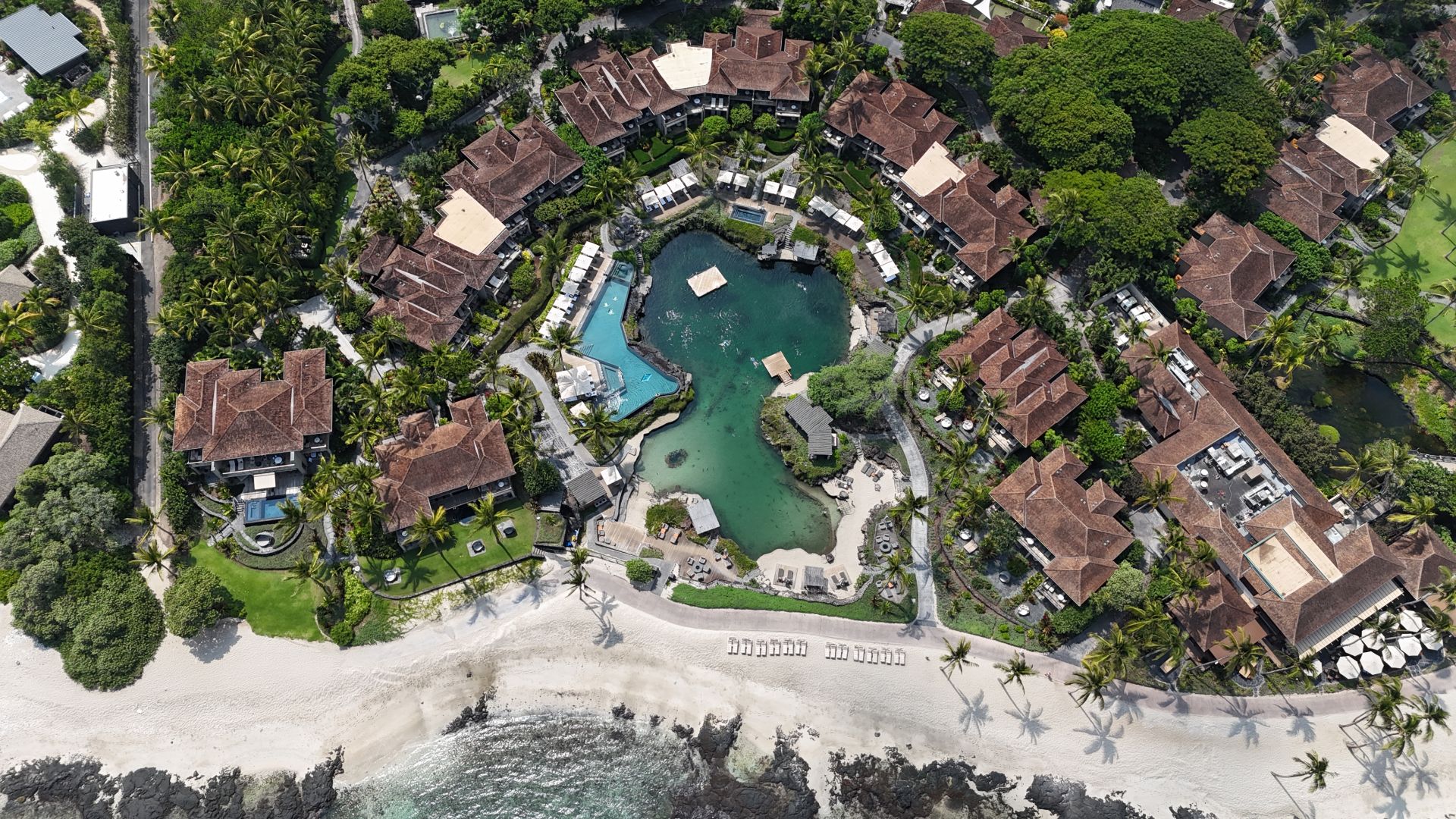 Four Seasons Resort Hualalai
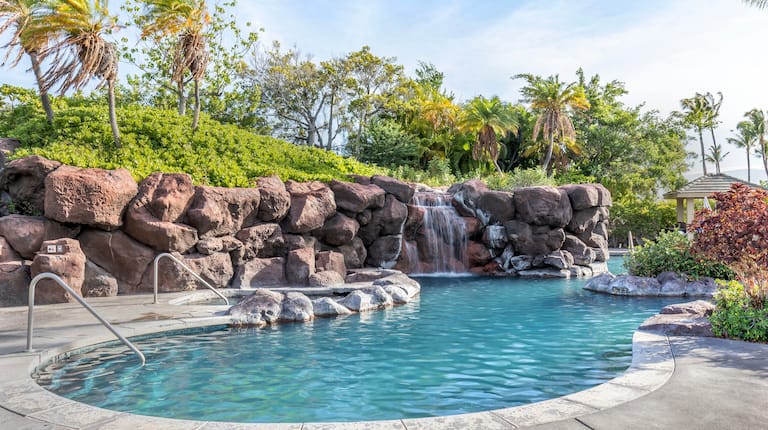 Kings’ Land by Hilton Grand Vacations
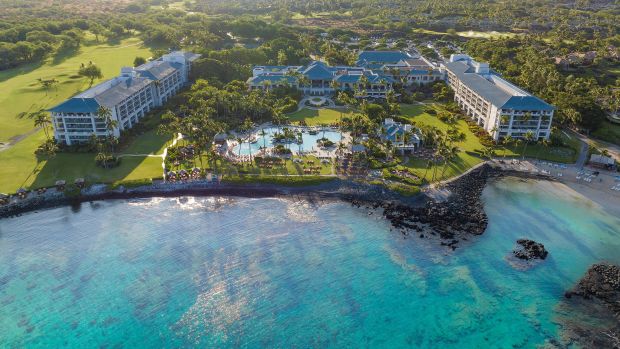 Fairmont Orchid
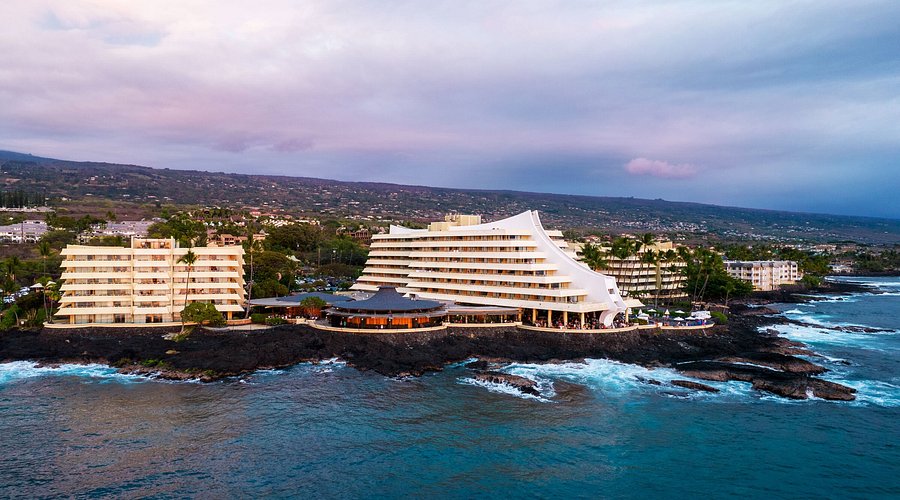 Royal Kona Resort
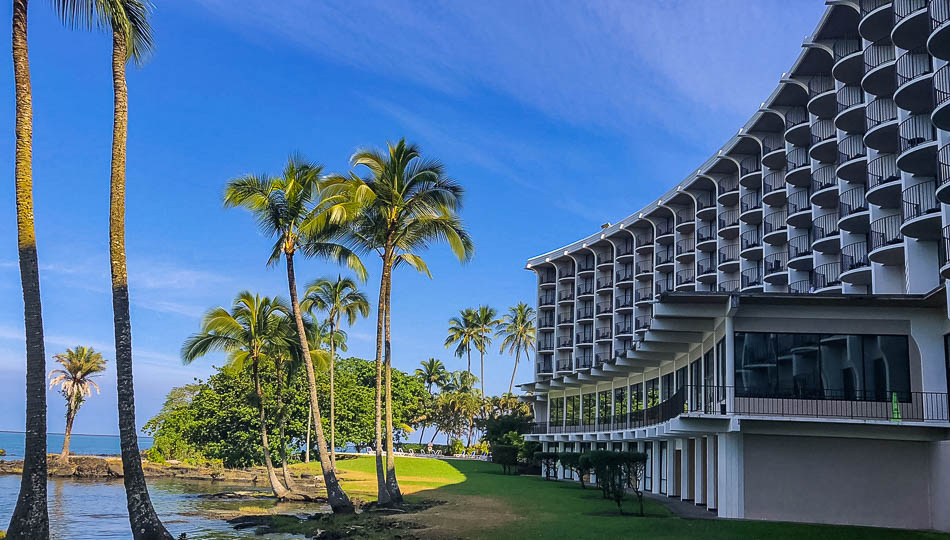 Hilo Hawaiian Hotel
Ready to Plan Your Big Island Trip?
Get a personalized family itinerary built around your kids ages, interests, and travel style — free.