No other Hawaiian island packs as much climate variety into one place as the Big Island — beach heat, near-freezing temperatures at the Mauna Kea summit, sharp volcanic terrain, and genuine rainforest conditions on the Hilo side. A generic Hawaii packing list won’t cover all of that. Here’s what actually matters.
Filter out the noise and find what works for your family.
Every resort we review gets one of four Family Fit ratings. The rating is based on kids programming, amenities, vibe, and who the resort actually markets to - not just whether they allow children.
Discover My Ideal Resort →What to Know
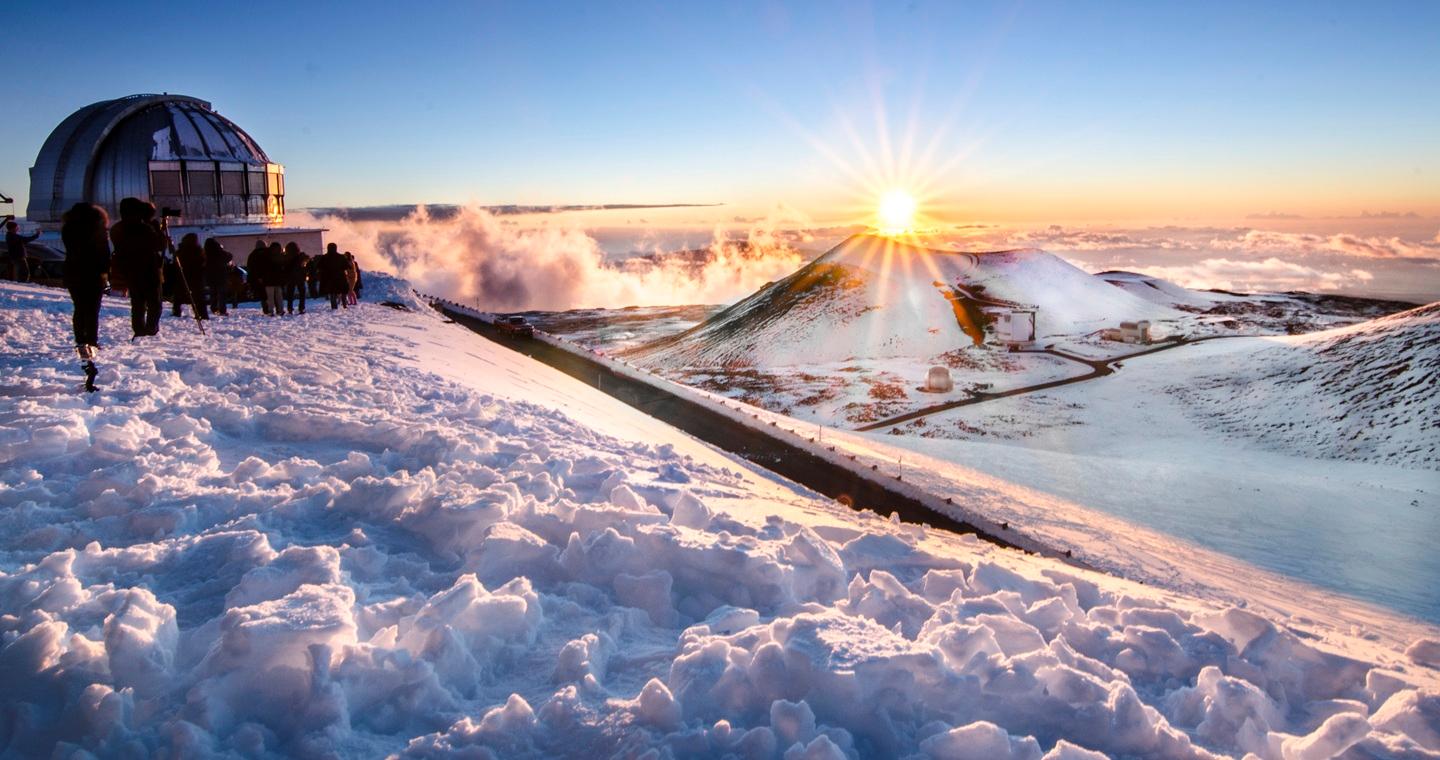
- Mauna Kea summit temperatures can drop below freezing, with conditions near 0°C at night — a real insulated jacket is worth packing, not just a light layer
- Hawaii’s mineral-based, reef-safe sunscreen rule (non-nano zinc oxide) applies here just like everywhere else in the state — chemical sunscreens are banned
- Sharp pahoehoe and ‘a’a lava terrain calls for real footwear — low- to mid-cut approach shoes with sticky soles and reinforced toes, not sandals
- Snorkel gear is worth bringing rather than renting here specifically — rental availability varies a lot at the Big Island’s more remote snorkel spots
- A three-layer system (moisture-wicking base, fleece mid-layer, windproof/waterproof outer shell) covers the temperature swing between the coast and the summit in one packing strategy
- Gaiters are worth including if you’re doing any serious lava-field hiking — they keep ash and volcanic dust out of your shoes
Sunscreen: Same Rule, Bigger Stakes
Hawaii’s statewide ban on oxybenzone and octinoxate sunscreens applies fully on the Big Island, and it matters across more of the island than you might expect given how much snorkeling, tide-pooling, and beach time is typically part of a trip. Pack a mineral-based, reef-safe SPF 30+ sunscreen using non-nano zinc oxide, plus an SPF lip balm — tropical sun plus high UV at elevation (more on that below) means reapplication matters more here than on a typical mainland trip. Reapply after every swim and after toweling off, since the sunscreen wears off faster than the sun exposure does.
Lava Terrain: Real Shoes, Not Sandals
The Big Island’s volcanic landscape calls for footwear most Hawaii packing lists don’t think to mention. Pahoehoe (smooth, ropy) and ‘a’a (sharp, jagged) lava fields are genuinely tough on regular shoes and brutal on bare feet or sandals — low- to mid-cut approach shoes with sticky soles and reinforced toes hold up much better on this terrain. If you’re planning any serious lava-field hiking near Hawaii Volcanoes National Park, gaiters are worth adding too, since they keep volcanic ash and dust out of your shoes on longer trails. For water entry at rockier beaches, closed-toe reef shoes cover a separate need from the hiking shoes.
Mauna Kea: Pack Like You’re Going Somewhere Cold
This is the item that catches the most families off guard. Mauna Kea’s summit can drop below freezing, with nighttime conditions near 0°C — genuinely cold by any standard, not just “bring a light jacket” cold. A three-layer system works best: a moisture-wicking base layer (shirt and socks) to manage sweat, a fleece or insulated mid-layer for warmth, and a windproof, waterproof outer shell for the elements. Add a beanie, warm gloves, and a scarf or neck gaiter for wind protection, plus sunglasses — UV radiation is intense at that altitude even in cold temperatures. If your Big Island itinerary includes a Mauna Kea sunset or stargazing trip, this gear isn’t optional; the temperature swing from a warm coastal day to a below-freezing summit evening is real and happens within a single day’s outing.
Snorkel Gear: Bring Your Own
Unlike some of the more developed snorkeling destinations, the Big Island’s rental availability varies a lot at its more remote spots — Kealakekua Bay and other less commercial locations don’t always have reliable on-site rental the way a resort beach might. Bringing your own well-fitting mask, snorkel, and a reef-safe rash guard with UV protection tends to deliver a noticeably better experience than hoping to rent something serviceable on arrival, especially if your itinerary includes multiple snorkel stops across different parts of the island.
Putting It Together
The Big Island’s packing challenge really comes down to one thing: you’re not packing for one climate, you’re packing for at least three — tropical coast, sharp volcanic terrain, and near-freezing mountain summit — sometimes all in the same day. A packing list built around layers (light and breathable at the base, genuinely warm at the top) covers that range better than trying to guess which single “Hawaii” climate you’ll actually experience.
Things to Do on Big Island
Browse family-friendly tours and activities on Big Island, ranked from real traveler reviews.
Quick Answers
- How cold does it get at the Mauna Kea summit? Temperatures can drop below freezing, with conditions near 0°C at night — pack a real insulated jacket, not just a light layer.
- What shoes should I pack for Big Island lava fields? Low- to mid-cut approach shoes with sticky soles and reinforced toes — sandals and regular sneakers don’t hold up on sharp pahoehoe and ‘a’a terrain.
- Should I rent or bring snorkel gear on the Big Island? Bring your own if possible — rental availability varies a lot at the island’s more remote snorkel spots like Kealakekua Bay.
Where to Stay on Big Island
A few family-friendly places to base your trip:
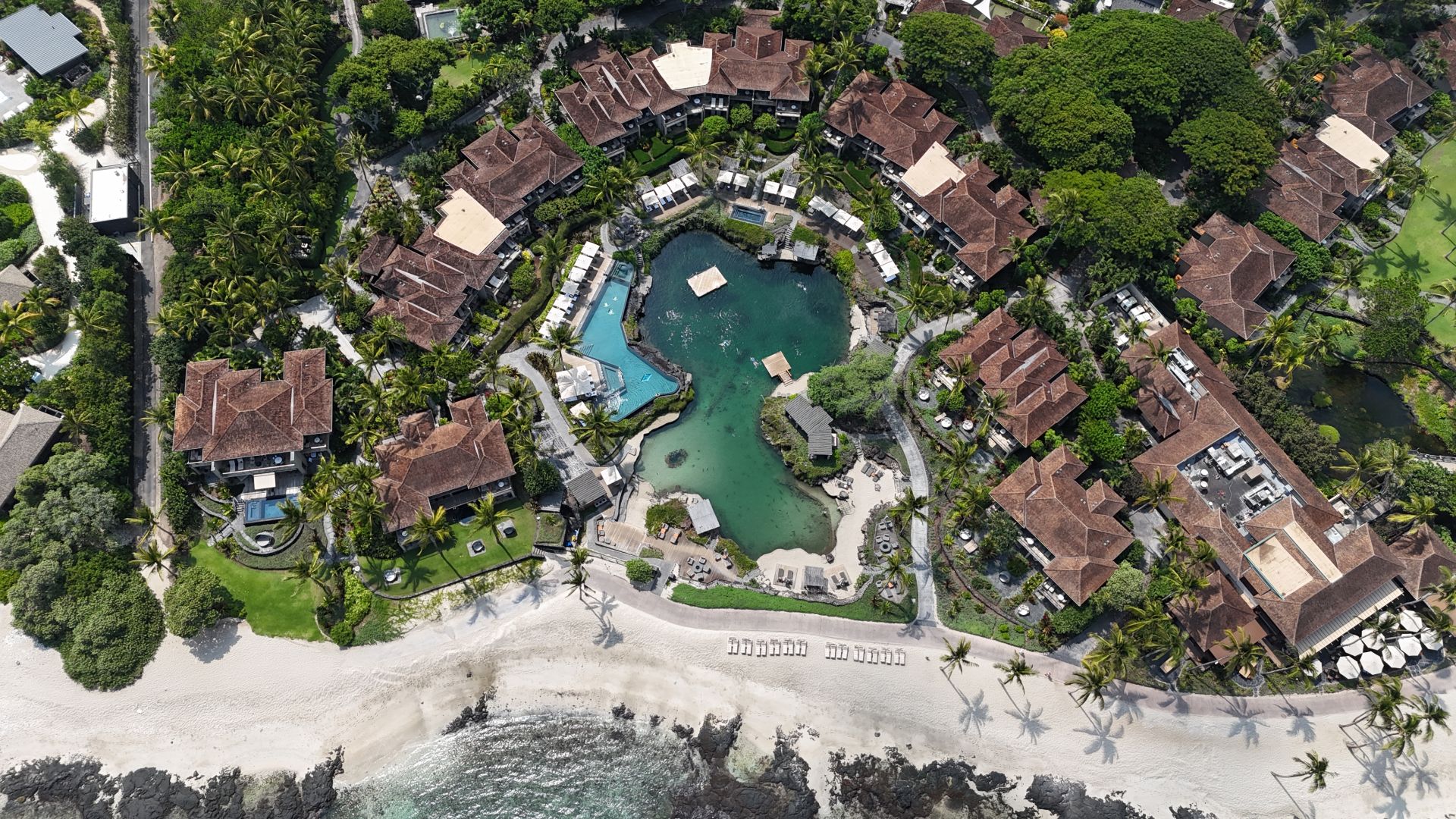 Four Seasons Resort Hualalai
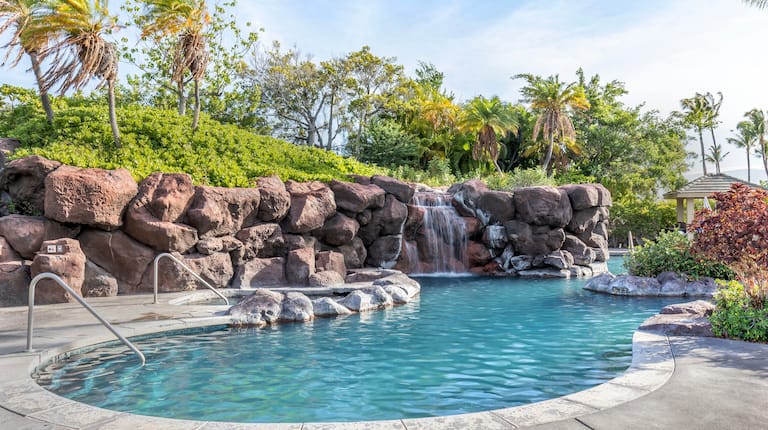 Kings’ Land by Hilton Grand Vacations
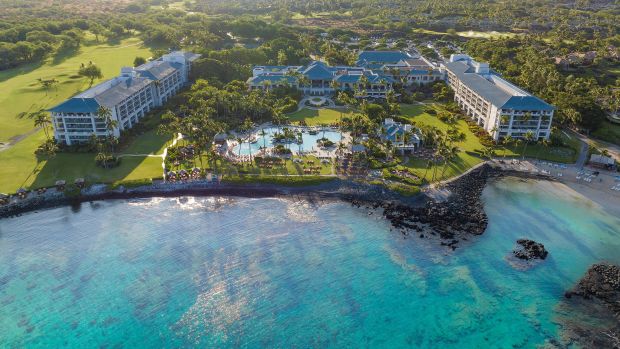 Fairmont Orchid
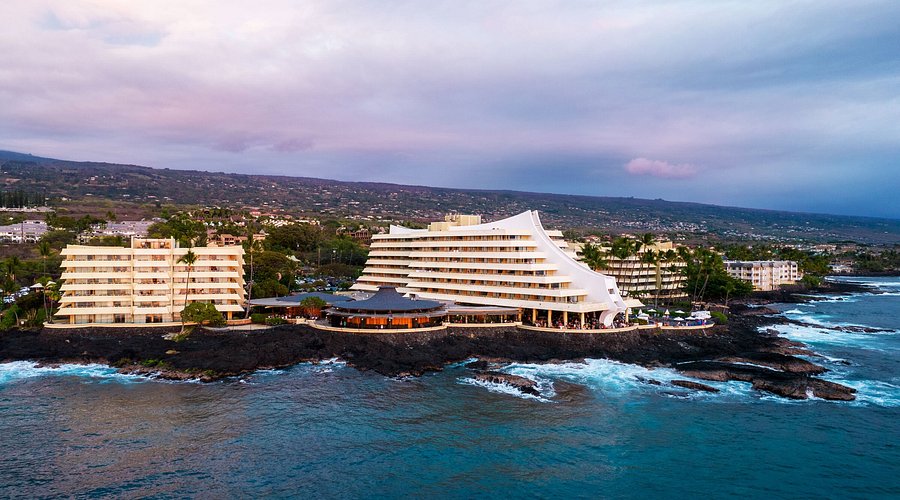 Royal Kona Resort
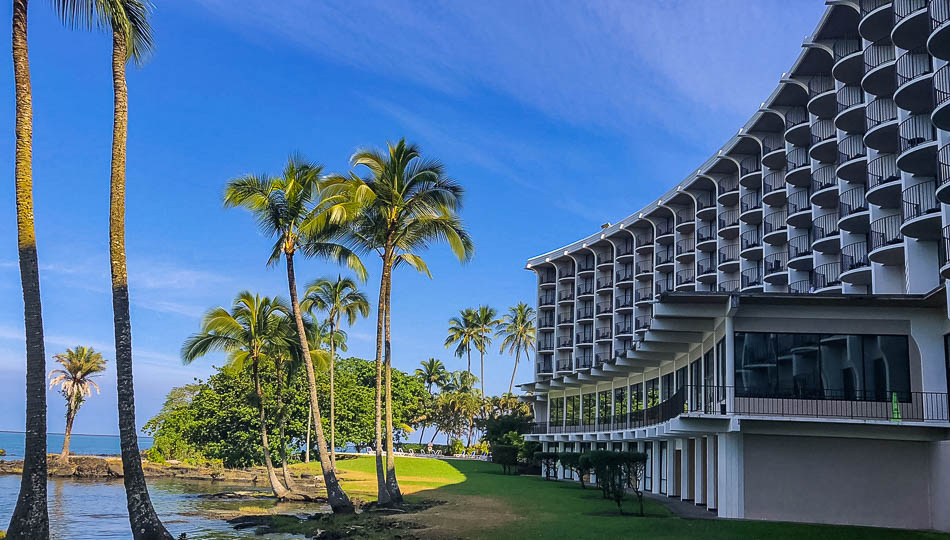 Hilo Hawaiian Hotel
Ready to Plan Your Big Island Trip?
Get a personalized family itinerary built around your kids ages, interests, and travel style — free.