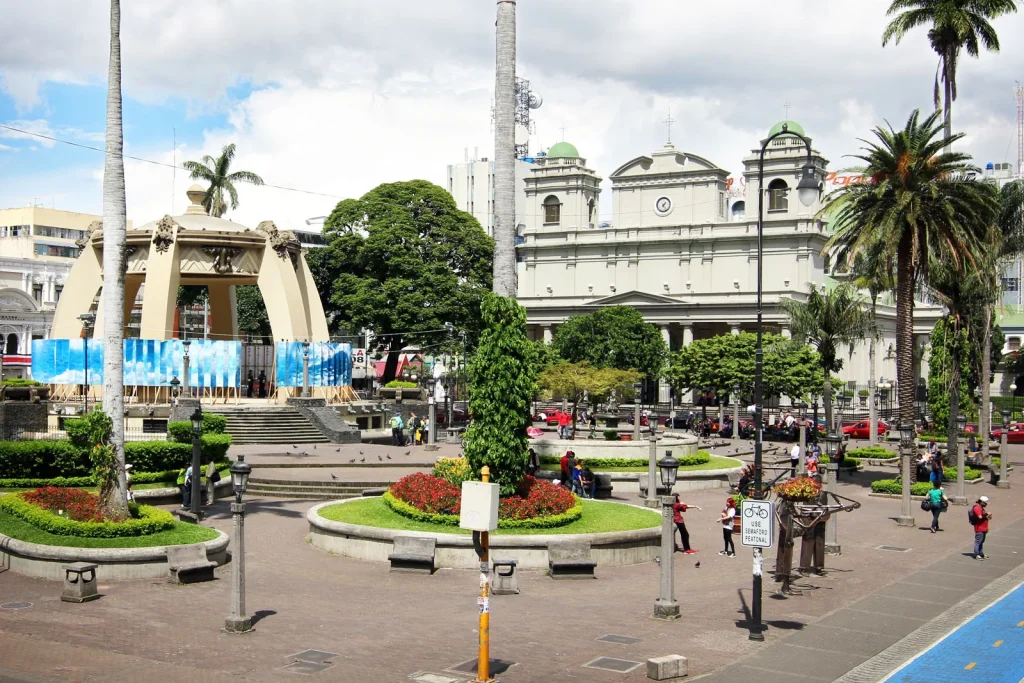
Costa Rica, with its vibrant rainforests, stunning beaches, and active volcanoes, offers an incredible adventure for families. However, understanding the country’s diverse travel landscape is key to smoothly getting around Costa Rica with kids. You’ll encounter everything from well-maintained highways connecting major cities to challenging unpaved roads leading to those truly remote natural attractions. Planning your transit with children requires a good grasp of these conditions, as the country drives on the right-hand side, and navigating can sometimes be a puzzle.
Roads in urban centers like San José and along major routes such as Ruta 27 to the Pacific coast are generally paved and in good condition, allowing for relatively smooth journeys. Yet, the real adventure begins when you venture off these main arteries, especially towards popular ecotourism destinations like Monteverde, La Fortuna, or many beautiful beaches. Here, you’ll encounter gravel, dirt, and pothole-ridden tracks that can significantly slow your travel and often necessitate a 4×4 vehicle, particularly during the rainy season from May to November, when river crossings can become impassable. Street names are often absent outside city centers, requiring reliance on landmarks, which adds another layer to navigation. While traffic in and around San José can be substantial, especially during peak hours, fuel stations are readily available along main roads, and major tourist areas have some infrastructure, making planning for longer, more remote drives advisable. Public transportation is extensive but often lacks the comfort and directness families with young children might prefer, making your choice of transport crucial for a harmonious family trip.
Filter out the noise and find what works for your family.
Every resort we review gets one of four Family Fit ratings. The rating is based on kids programming, amenities, vibe, and who the resort actually markets to - not just whether they allow children.
Discover My Ideal Resort →Logistics at a Glance: Family Transport Options
When planning how to best get around Costa Rica with kids, families have several key transport options, each with its own set of advantages and challenges. Understanding these can help you choose the best fit for your family’s travel style and itinerary.
Rental Cars
Renting a car in Costa Rica offers the ultimate flexibility for families, allowing you to tailor your itinerary and make spontaneous stops for snacks, restroom breaks, or unexpected photo opportunities. There’s ample space for luggage and mandated car seats, making it ideal for families with multiple pieces of gear or specific child safety requirements. This option truly shines when exploring national parks or venturing off-the-beaten-path to discover hidden gems.
However, the variable road quality means a 4×4 is often needed, especially if your plans include destinations like Monteverde or the Nicoya Peninsula, or if you are traveling during the rainy season. Navigation can be challenging due to a lack of clear street names, and parking can be tricky or costly in urban areas. Factor in the cost of renting car seats, which can add up, and the overall higher expense compared to other options.
Best Use Cases for Rental Cars:
- Multi-destination trips across different regions.
- Exploring national parks and remote natural attractions.
- Families with multiple pieces of luggage or specific car seat needs.
- Anyone seeking maximum independence and spontaneity.
Public Transit
For the budget-conscious traveler, public transit in Costa Rica is by far the most economical choice, offering an extensive network that connects most towns and cities. It provides an immersive local experience, allowing families to see a slice of daily Tico life. This can be a wonderful adventure for older children curious about local culture.
However, public buses are often crowded, and space for strollers or significant luggage is limited, making it less ideal for families with very young children or those packing heavily. Service to more remote areas can be infrequent, and car seats are not guaranteed. Be prepared for longer travel times and potential transfers, which can test the patience of little ones.
Best Use Cases for Public Transit:
- Budget-conscious families looking to save on transportation costs.
- Short inter-city trips on main, well-serviced routes.
- Adventurous families with minimal luggage and flexible schedules.
- Those seeking an authentic, local travel experience.
Ride-Sharing
Ride-sharing services like Uber and DiDi offer a convenient solution for short urban trips, providing transparent pricing via an app and generally good availability in major cities. This can be a handy option for quickly getting around San José, Alajuela, or other larger tourist towns. It’s often preferred for airport transfers if car seats are not a concern.
The legal status of Uber and DiDi in Costa Rica remains debated, which can sometimes lead to uncertainty. Crucially, car seats are almost never available through these services, posing a significant challenge for families with young children. Reliability decreases outside main urban and tourist zones, and drivers may refuse longer distances.
Best Use Cases for Ride-Sharing:
- Short rides within major urban centers like San José or Alajuela.
- Quick errands or transfers where car seat use is not required.
- Airport transfers if you do not need a car seat.
Walking
Walking is a free and excellent way to explore towns and resorts, allowing for spontaneous discoveries and a deeper connection with your surroundings. It’s perfect for short distances and soaking in the local atmosphere, especially in pedestrian-friendly areas. For more tips on exploring on foot, refer to our family travel guides.
However, walking is limited by distance, and the tropical heat and humidity can quickly wear out little legs. Sidewalks can be uneven, non-existent, or obstructed, making stroller use challenging. It’s generally unsafe in heavy traffic areas and impractical for inter-town travel.
Best Use Cases for Walking:
- Exploring small, charming towns and villages.
- Within large resorts or eco-lodges with designated paths.
- Short distances to nearby restaurants or attractions in pedestrian-friendly zones.
The Transit Network: A Detailed Breakdown
Understanding the intricacies of Costa Rica’s transit network is crucial for successfully getting around Costa Rica with kids. From renting a sturdy 4×4 to navigating local buses, each option comes with its own set of considerations for families.
Rental Cars
Local Context: In Costa Rica, driving is on the right side of the road, similar to North America. Road quality varies significantly across the country; major highways such as Ruta 27 and Ruta 32 are generally paved and well-maintained, offering smooth travel. However, secondary roads leading to many popular destinations like Monteverde, parts of the Nicoya Peninsula, and various national parks can be unpaved, gravel, and very rough, often requiring a 4×4 vehicle, particularly during the rainy season from May to November when conditions can be challenging. Navigation can be a bit of an adventure itself due to a common lack of clear street names, with directions often relying on local landmarks. Parking is usually available in most towns and at tourist attractions, often in paid lots or with the help of “guachimanes,” informal parking attendants who will guide you to a spot for a small fee. In the bustling capital of San José, parking can be tight and expensive, so plan accordingly.
Family Logistics: Costa Rican law is clear and strict about child safety: car seats are mandated for all children under 12 years old or less than 1.45 meters (4 feet 9 inches) tall. For infants up to 1 year or 13 kg (28.6 lbs), a rear-facing infant car seat is required. Children aged 1 to 4 years old, weighing between 13-18 kg (28.6-40 lbs), must use a forward-facing car seat. Lastly, children between 4 and 12 years old, weighing 18-36 kg (40-79 lbs) and under 1.45m tall, must use a booster seat.
Major rental agencies operating in Costa Rica include Adobe Rent a Car, often recommended for their local expertise and comprehensive insurance options, alongside international brands such as Alamo, Hertz, Avis, Budget, National, Enterprise, Sixt, and Europcar. All these agencies offer car seats for rent, typically at a cost of $10-15 USD per day. It is highly recommended to reserve car seats well in advance, especially during peak travel seasons, as availability can be limited. Many families find bringing their own car seat ideal for familiarity and guaranteed fit, though this certainly adds to your luggage. For more guidance on this, check out our ultimate guide to travel car seats for kids.
Public Transportation
System Names: Unlike many countries with integrated national rail networks, Costa Rica does not boast a single national public transit system like a metro or rail for tourists, beyond a limited commuter rail serving San José’s Greater Metropolitan Area (GAM). Instead, the country relies on a comprehensive network of private bus companies that operate intercity and local routes. Key operators serving different regions include Tracopa, which covers the Southern Pacific coast heading towards destinations like Quepos and Dominical. Transportes La Pampa serves the Guanacaste region, Empresarios Unidos handles the Central Pacific routes, and Caribeños connects to the Caribbean coast. For journeys to more remote areas, small local buses might be your only available option.
Family Logistics: Stroller accessibility on public buses in Costa Rica is severely limited. These buses are generally not designed with strollers in mind, often featuring narrow aisles and crowded conditions, with luggage typically stored underneath or on overhead racks. For families traveling with young children, compact travel strollers or baby carriers are far more practical and highly recommended. Our guide to the best compact airline-friendly strollers or best baby carriers and wraps can offer suitable options. “Kids travel free” policies vary by company; generally, children under 3-4 years old who can sit comfortably on a parent’s lap might travel free, but older children will invariably require a full ticket. There are no specific “best value family passes” for the public bus network, so individual tickets are the norm. For families seeking more comfort and direct routes between popular destinations, tourist shuttle services like Interbus or Caribe Shuttle offer a more family-friendly alternative, albeit at a significantly higher per-person cost.
Taxis & Ride-Sharing
Local Apps: Ride-sharing has become a popular way of getting around Costa Rica with kids for short distances. Uber is widely available in the Greater Metropolitan Area, encompassing San José, Alajuela, Heredia, and Cartago, and can also be found in some key tourist hubs such as La Fortuna and Manuel Antonio. This is despite its debated legal status by traditional taxi unions. DiDi is another ride-sharing platform that operates in similar areas, providing additional options for travelers. Indriver is also utilized by some local drivers and passengers for peer-to-peer ride requests.
Family Logistics: A significant challenge for families relying on ride-sharing in Costa Rica is the near impossibility of securing a vehicle with a car seat through the app. Ride-sharing services are generally not equipped to provide child safety seats. Therefore, families requiring car seats should plan to use pre-booked private transfers, official airport taxis (the orange taxis at SJO), or official red taxis arranged directly with a driver, explicitly requesting a car seat in advance and confirming its type and availability. Official red taxis, identifiable by their yellow triangle on top and a visible meter called “María,” can be hailed on the street in cities and towns and are generally considered safe. Always ensure the driver uses the meter to avoid inflated fares. It is best to avoid unofficial or “pirata” taxis due to safety concerns and unregulated pricing. App-based services typically offer more transparent pricing and tracking features, which can enhance safety and provide peace of mind compared to hailing unofficial vehicles randomly on the street.
Want a custom plan? Use our personalized Itinerary Generator for Costa Rica!
Your Arrival: Airport & Train Station Transfers
When your family first arrives in Costa Rica, understanding your airport transfer options is essential for a smooth start to your vacation, especially when getting around Costa Rica with kids.
Primary Hubs
The main international gateway for most visitors is Juan Santamaría International Airport (SJO), conveniently located near Alajuela and the capital city of San José. Another significant international airport is Daniel Oduber Quirós International Airport (LIR), situated near Liberia in the Guanacaste province, serving the northern Pacific coast. It’s worth noting that Costa Rica does not possess an inter-city passenger train network that is useful for tourists or airport transfers; the existing train system is primarily a commuter rail operating within the Greater San José metropolitan area. For more insights on arrival, you might find our list of most child-friendly airports worldwide helpful.
Top 2 Options from SJO
1. Private Transfer/Pre-booked Taxi
This option is overwhelmingly the most convenient for families, particularly if you’re traveling with significant luggage and young children. A private transfer offers a direct, door-to-door service, eliminating the stress of navigating public transport upon arrival.
- Cost: Expect to pay approximately $30-50 USD from SJO to central San José or Alajuela city centers. Prices can be higher for destinations further afield.
- Time: The journey typically takes roughly 30-60 minutes to San José, depending heavily on traffic conditions.
- Logistics: A major advantage is that private transfers can be pre-arranged with car seats specifically suited for your children’s ages and sizes. Look for reputable companies like Anywhere Costa Rica or Costa Rica Transfers, or simply ask your hotel for their trusted recommendations.
2. Official Airport Taxi (Orange Taxis)
These taxis are officially sanctioned and easily identifiable by their orange color, readily available directly outside the terminal at SJO. They are a safe and reliable option for transfers.
- Cost: A ride to the San José city center will cost approximately $25-30 USD, operating either on a meter or a fixed fare system to popular destinations.
- Time: The trip to San José typically takes roughly 25-45 minutes, subject to traffic.
- Logistics: While generally safe and metered, car seats are not typically guaranteed if you simply hail one. If a car seat is a necessity for your family, it is best to call ahead to arrange one specifically or, as an alternative, opt for a pre-booked private transfer to ensure this crucial safety measure is in place.
A 3-Day Transit-First Itinerary
Planning your daily excursions with transport in mind is essential when getting around Costa Rica with kids. This 3-day itinerary highlights how different transit methods can shape your family’s experiences from San José.
Day 1: San José City Center Discovery
Focus: Walkability and central buses/cultural sites.
Morning: Begin your day exploring downtown San José on foot, navigating its pedestrian-friendly areas, particularly along Avenida Central. Take your time to walk to the impressive National Theatre of Costa Rica and the fascinating Gold Museum. For longer stretches within the city, utilize short, local bus rides, perhaps from the La Sabana Park area to downtown. For families with small children, a baby carrier is an ideal choice for comfortably navigating sidewalks and more crowded spots. Our guide to the best baby carriers and wraps can provide excellent recommendations.
Afternoon: Head to Parque La Sabana, San José’s Metropolitan Park, a vast green space offering playgrounds and plenty of room for kids to run around. This park is easily accessible by a local bus or a short taxi/Uber ride from the city center. Consider bringing travel activity kits and busy boards for quiet moments.
Evening: Enjoy dinner at a restaurant near your accommodation, easily reached by walking or a brief official taxi ride, ensuring a relaxed end to your first day.
Day 2: Volcano & Coffee Plantation Adventure
Focus: Pre-booked tourist shuttle or rental car for efficiency.
Morning: For this day’s adventure, a pre-booked tourist shuttle or your own rental car is absolutely essential for managing travel times with children. Drive approximately 1.5 to 2 hours north of San José to Poás Volcano National Park. Be sure to have reservations, as entry is managed for visitor safety and capacity. There, you’ll experience the stunning, often cloud-shrouded crater view, a truly memorable sight. For comfortable exploration, ensure the kids have best hiking shoes for kids.
Mid-day: Continue your journey to a nearby coffee plantation, such as Doka Estate, nestled on the slopes of Poás. Enjoy a family-friendly tour that educates everyone about the fascinating process of coffee production. This experience typically involves some walking but is generally stroller-friendly in its main areas.
Afternoon: Return to San José. The logistics for this day strongly favor private transport options for both convenience and to effectively manage travel times, which is key when traveling with kids.
Day 3: Pacific Coast Beach Exploration
Focus: Intercity bus or rental car for regional reach.
Morning: For an authentic local experience getting around Costa Rica with kids, consider taking an intercity Tracopa bus from San José (Tracopa Terminal) to Quepos, which serves as the gateway to Manuel Antonio National Park. This journey takes approximately 3.5 to 4 hours and is a very budget-friendly option. Alternatively, driving your rental car provides maximum flexibility, allowing for scenic stops and dictating your own pace, which can be invaluable with children. Remember to pack best kids’ luggage for easy handling.
Afternoon: Arrive in the vibrant Quepos/Manuel Antonio area. Settle into your chosen accommodation. Spend the afternoon relaxing at one of the public beaches, such as Playa Espadilla, where the calm waters are perfect for families, or take some time to explore the lively town.
Evening: Cap off your day with a delicious fresh seafood dinner, enjoying the coastal atmosphere. For longer day trips like this, especially with young children and luggage, a rental car or tourist shuttle is often preferred for comfort and convenience over public buses, though the bus remains a viable, budget-friendly choice showcased in this itinerary.
Regional Excursions: Accessibility & Reach
Exploring beyond San José reveals Costa Rica’s true magic, but understanding how to reach these gems is vital for families getting around Costa Rica with kids.
La Fortuna (Arenal Volcano)
Why: La Fortuna is a prime family destination, offering majestic views of the iconic Arenal Volcano. The area is dotted with numerous hot springs, such as Tabacón, Baldi, and Ecotermales, many of which are suitable for all ages, providing a relaxing and fun experience. The La Fortuna Waterfall offers a refreshing swim after an invigorating hike down its 500 steps, a rewarding challenge for energetic children. Exciting activities abound, from exploring hanging bridges at Arenal Mistico Park to zip-lining for older children, and ample opportunities for wildlife spotting. Its blend of natural beauty and adventure makes it highly suitable for children of all ages.
How:
- Road: From San José, La Fortuna is approximately a 3-hour drive, covering about 125 km (78 miles). The road quality to La Fortuna is generally good and paved, making it accessible even with a standard vehicle. Opting for a rental car provides your family with the flexibility to explore attractions at your own pace, stopping as needed for your little ones.
- Shuttle: Tourist shuttle services like Interbus and Caribe Shuttle offer comfortable, air-conditioned, direct transfers from San José (or SJO airport) to La Fortuna. This convenient option typically costs around $50-60 USD per person and is a popular choice for families seeking ease of travel without the stress of driving.
- Bus: Public buses depart from San José (from either Terminal 7-10 or Terminal Atlántico Norte, depending on the specific operator) directly to La Fortuna. The journey takes about 3-4 hours and is the most economical option. However, navigating bus terminals can be challenging with kids and luggage, so be prepared for a more adventurous journey.
Manuel Antonio National Park
Why: Manuel Antonio is world-renowned for its stunning combination of pristine white-sand beaches, lush rainforest, and incredible biodiversity. It stands as an excellent destination for children of all ages due to its calm ocean waters, perfect for safe swimming and splashing. The park features accessible walking trails where encounters with wildlife—such as monkeys, sloths, and iguanas—are almost guaranteed, creating unforgettable moments for kids. The overall atmosphere is incredibly family-friendly, blending relaxation with adventure. Bringing along the best kids’ water shoes for rocky beaches is a good idea for beach days.
How:
- Road: From San José, Manuel Antonio is roughly a 3-4 hour drive, covering approximately 170 km (105 miles). The route involves traversing the modern Ruta 27 toll highway and then connecting to Route 34 along the beautiful Pacific coast. A rental car provides the freedom to visit nearby beaches or explore the vibrant town of Quepos at your leisure.
- Shuttle: Tourist shuttles, including popular operators like Interbus and Caribe Shuttle, offer direct, comfortable service from San José/SJO to Manuel Antonio. Costing around $50-60 USD per person, this option is often preferred by families who wish to avoid the logistics and potential stresses of driving themselves.
- Bus: Direct public bus services run from San José (Tracopa Terminal) to Quepos, with a local bus continuing from Quepos directly to Manuel Antonio. The entire trip takes approximately 3.5-4 hours and is a budget-friendly choice, though it can be less comfortable and more challenging to manage with luggage and small children.
- Domestic Flight: Sansa Airlines operates short, convenient domestic flights from SJO to Quepos (XQP) airstrip. These flights are a brief 20-25 minutes in duration. While pricier (approximately $80-150 USD per person), this option dramatically reduces travel time and offers a unique aerial perspective of the country. Transfers from Quepos airstrip to Manuel Antonio are readily available upon arrival.
Noteworthy Local Transport Experiences
Beyond the standard options, Costa Rica offers some truly unique transport experiences that can add an extra layer of adventure and cultural immersion when getting around Costa Rica with kids.
Puntarenas Ferry to Nicoya Peninsula
For families planning to head to captivating destinations like Montezuma, Santa Teresa, or Paquera on the Nicoya Peninsula, taking the car ferry from Puntarenas to Paquera offers a memorable and picturesque experience. Children often delight in being on the open water, where they might even spot dolphins or other marine life in the stunning Gulf of Nicoya. The convenience of driving your vehicle directly onto the ferry allows for seamless travel with all your gear, making it a stress-free option for reaching this beautiful region.
Aerial Trams/Gondolas (e.g., Sky Adventures in Arenal)
In the popular Arenal region, “Sky Tram” or similar aerial gondola systems provide a unique and serene way to ascend through the dense rainforest canopy. These enclosed gondolas offer panoramic views of the magnificent Arenal Volcano and the surrounding natural splendor, all without the strenuous effort of hiking. This is a very child-friendly activity, presenting a different perspective of the rainforest’s upper layers and making it accessible for all ages and mobility levels.
River Boat Tours (Tortuguero)
For a truly unique Costa Rican adventure, visiting Tortuguero National Park is an absolute must, especially for nature-loving families. What makes Tortuguero exceptional is its accessibility: the park is entirely roadless, reachable only by boat or small plane. Taking a guided river boat tour through its intricate network of canals is a fantastic way for families to spot abundant wildlife up close. Keep your eyes peeled for monkeys, sloths, caimans, and a wide array of colorful birds, all thriving in this protected environment.
“Chicken Buses” (Local Buses)
While not ideal for long-distance family travel, particularly with luggage, experiencing a short ride on a “chicken bus” can offer an authentic and vibrant glimpse into local Costa Rican life. These older, brightly painted repurposed American school buses ply local, less touristy routes and are incredibly cheap. They often lack modern amenities or safety features like seatbelts and can be quite crowded, so parental discretion is advised for family travel. However, a brief trip on one can be a fun cultural experience for older, more adventurous children and their parents.
- Family Travel Guides
- Most Child-Friendly Airports Worldwide
- Getting Around Vancouver with Kids: Family Transport Guide
- Ultimate Guide: Travel Car Seats for Kids
- Best Compact Airline-Friendly Strollers
- Best Kids’ Luggage: Buying Guide
- Best Kids’ Water Shoes for Rocky Beaches Guide
- Best Hiking Shoes for Kids
- Best Baby Carriers and Wraps
- Travel Activity Kits & Busy Boards
- Wikivoyage page on Costa Rica
Plan a trip your kids will actually enjoy.
Answer a few quick questions and get a free, personalized itinerary tailored to your destination and your children’s ages. No account required — your custom plan is ready in moments.
Filter out the noise and find what works for your family.
Every resort we review gets one of four Family Fit ratings. The rating is based on kids programming, amenities, vibe, and who the resort actually markets to - not just whether they allow children.
Discover My Ideal Resort →

![Ultimate Guide to [destination] Copenhagen](https://kiddometer.com/wp-content/uploads/2026/02/Ultimate-Guide-to-destination-pic-34-400x225.jpg)