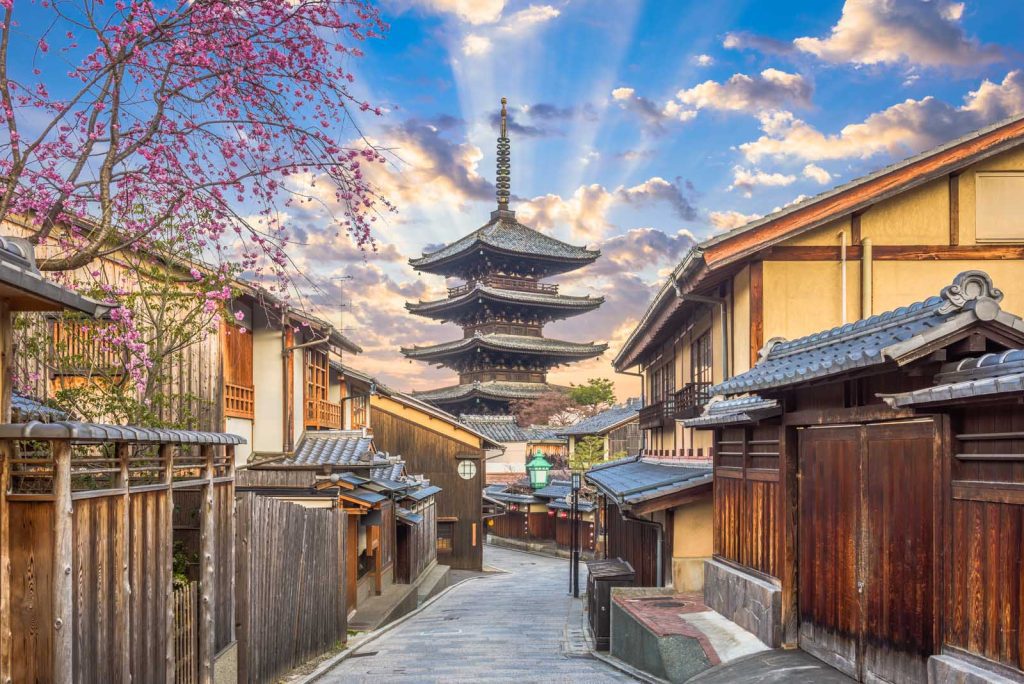
Kyoto, Japan’s imperial city, is a captivating blend of ancient traditions and modern efficiency, making it a prime destination for family travel. However, successfully navigating its labyrinthine streets, bustling markets, and serene temple grounds with children requires a robust understanding of its transportation logistics. While the city’s charming alleys and pedestrian-friendly districts encourage walking, distances between major attractions can be considerable for little legs. Families visiting Kyoto will find an exceptionally clean, punctual, and safe public transportation system, primarily consisting of an extensive bus network and two subway lines. Yet, considerations like managing strollers in crowded spaces, understanding Japan’s specific car seat laws for rentals and taxis, and optimizing travel time become paramount for a stress-free experience. This guide takes a “logistics-first” approach, providing parents with actionable, fact-based information on every mode of transport available. We’ll explore the nuances of Kyoto’s transit network, from the most economical passes to the most convenient airport transfers, ensuring your family can explore Kyoto’s wonders – from the vibrant Gion district to the tranquil Arashiyama Bamboo Grove – with ease and comfort when getting around Kyoto with kids.
Logistics at a Glance: Family Transport Options
Understanding your options for getting around Kyoto with kids is key to a smooth family vacation. Here’s a quick comparison of the main transport choices available:
Filter out the noise and find what works for your family.
Every resort we review gets one of four Family Fit ratings. The rating is based on kids programming, amenities, vibe, and who the resort actually markets to - not just whether they allow children.
Discover My Ideal Resort →| Option | Pros for Families | Cons for Families |
|---|---|---|
| Rental Cars |
Renting a car offers the ultimate flexibility, especially for families planning distant day trips to places like Lake Biwa. It provides immense convenience for extensive luggage or when traveling with multiple young children, and you’ll appreciate the on-demand climate control during hot summers or chilly winters.
|
There are significant challenges, including driving on the left side of the road and navigating unfamiliar routes. Parking in central Kyoto is extremely limited and expensive, and Japanese law mandates car seats for all children under 6 years old.
|
| Public Transit (Buses/Subway/Trains) |
Kyoto’s public transit is highly efficient, punctual, and boasts an extensive network covering most major attractions. It’s cost-effective with various day passes and offers an immersive cultural experience, allowing you to travel like a local.
|
Buses, especially Kyoto City Buses on popular routes, can get very crowded during peak season or hours. Navigating transfers with young children can be challenging, and some older stations may lack full stroller accessibility.
|
| Taxis & Ride-Sharing |
Taxis offer door-to-door convenience, are comfortable, and readily available throughout Kyoto. They are ideal for tired children, short distances, or late-night travel, providing a hassle-free journey.
|
Taxis can be expensive for longer trips, and it is nearly impossible to reliably request a car seat through apps or street hails due to Japanese regulations. Be aware that trunk space for large strollers can also be limited.
|
| Walking |
Walking is undoubtedly the best way to absorb Kyoto’s unique atmosphere, discover hidden gems, and is completely free. It’s excellent for exploring compact, charming districts like Gion or Higashiyama at your own pace.
|
Walking can be exhausting for children over long distances, especially when exposed to weather extremes like hot summers or occasional rain and snow. Many major sights are not within easy walking distance of each other, requiring supplementary transport.
|
The Transit Network: A Detailed Breakdown
Rental Cars
When considering getting around Kyoto with kids by car, it’s important to understand the local driving context. In Kyoto, and throughout Japan, vehicles drive on the left side of the road, and cars are right-hand drive. The road infrastructure is generally excellent, but city streets, particularly in older districts, can be quite narrow. Traffic can become congested, especially during rush hours and on weekends. Parking in central Kyoto is scarce and costly, so be prepared to pay for coin-operated parking lots or multi-story garages.
For foreign visitors, an International Driving Permit (IDP) is mandatory to drive in Japan, along with your original driving license. It’s crucial to obtain your IDP before arriving in Japan. For family logistics, Japanese law strictly mandates that all children under 6 years old (from birth up to their 6th birthday) must be secured in an appropriate child safety seat (チャイルドシート – chaildシート). This means infants need a rear-facing seat (up to 10kg/1 year), toddlers a forward-facing child seat (9-18kg/1-4 years), and older children a booster seat (15-25kg/4-10 years). Major rental agencies in Kyoto, such as Toyota Rent-a-Car, Nissan Rent-a-Car, Nippon Rent-a-Car, and Times Car Rental, offer child seats for an additional daily fee, typically ranging from ¥550 to ¥1,100 per day. It is absolutely crucial to reserve child seats well in advance, specifying your child’s age and weight, as availability can be limited, especially during peak travel periods. Always confirm the correct seat type is available for your child’s specific needs when booking. For a comprehensive overview, see our Ultimate Guide: Travel Car Seats for Kids.
Public Transportation
Kyoto’s public transport is a dense and efficient network, encompassing the Kyoto Municipal Subway (comprising the Karasuma Line and Tozai Line), the comprehensive Kyoto City Bus system, Kyoto Bus (serving some peripheral areas), and several private railway lines including JR (Japan Railways), Keihan Electric Railway, Hankyu Railway, and the historic Randen Tram (Keifuku Electric Railroad). This extensive system makes getting around Kyoto with kids incredibly accessible.
Stroller Accessibility
When it comes to stroller accessibility, Kyoto’s public transport has made significant strides. Kyoto Subway stations are generally modern and well-equipped with elevators and escalators, making them highly accessible for strollers. However, some older exits might only offer stairs, so always keep an eye out for elevator signs. Subway trains can become crowded during morning (7:30-9:30 AM) and evening (5:00-7:00 PM) rush hours, which can make navigating with large strollers quite challenging. For buses, most Kyoto City Buses are low-floor and feature deployable ramps for easy stroller access. Drivers are typically very accommodating and will assist you. Despite these conveniences, buses on popular tourist routes, such as those heading to Kiyomizu-dera or Arashiyama, can become extremely packed. If possible, consider folding your stroller during peak times or opt for a compact, lightweight model. Check out our recommendations for Best Compact Airline-Friendly Strollers.
Kids Travel Free Age Limits and Best Value Family Passes
For Kyoto City Bus and Subway, children under 6 years old (pre-schoolers, 未就学児) travel free when accompanied by an adult. There is a limit of two free children per adult; any additional pre-schoolers will require a child fare. Children aged 6-11 years old (elementary schoolers, 小学生) pay the child fare, which is typically half the adult fare. On JR and private railways, infants (under 1 year) travel free. Children aged 1-5 years are free when accompanied by an adult, also limited to two children per adult. Additional children aged 1-5, and all children aged 6-11, require a child ticket (half the adult fare).
To make getting around Kyoto with kids more economical and convenient, consider these passes:
- Kyoto City Bus One-Day Pass (大人 Adults: ¥700, 小児 Children: ¥350): This pass is ideal if your family’s itinerary heavily relies on buses, which cover most major attractions. It proves its value after just three bus rides, offering excellent savings.
- Kyoto Subway & Bus One-Day Pass (大人 Adults: ¥1,100, 小児 Children: ¥550) or Two-Day Pass (大人 Adults: ¥2,000, 小児 Children: ¥1,000): This option provides greater flexibility by covering both city buses and subway lines. It’s particularly useful for reaching areas further afield or when combining different transport modes to save time and energy.
- ICOCA Card: A rechargeable IC card, similar to Tokyo’s Suica, can be purchased at JR ticket machines. It is incredibly convenient for tapping on and off all local trains, subways, and buses, eliminating the need to buy individual tickets for each journey. While it doesn’t offer direct discounts, an ICOCA card significantly streamlines travel, which is especially beneficial for families managing multiple fares and tired children.
Taxis & Ride-Sharing
Traditional taxis are ubiquitous in Kyoto, providing a reliable option for getting around Kyoto with kids. For ride-sharing services, Uber operates primarily as Uber Taxi, partnering with existing licensed taxi companies, meaning you’ll get a standard taxi through the app. DiDi is another popular taxi-hailing app in Japan that works similarly, offering an alternative for booking rides.
Taxis in Kyoto are known for their cleanliness, reliability, and polite drivers. They are a comfortable and safe option for families, particularly for shorter distances, late-night returns to your accommodation, or when children are simply too tired to walk or manage public transport. You can easily find taxi stands at major train stations like Kyoto Station, popular tourist sites, and hotels, or hail them on the street by looking for a taxi with a lit red light on its dashboard, indicating availability.
One crucial aspect for families is the ease of getting car seats via apps. It is generally very difficult to request a car seat through Uber Taxi or DiDi in Japan. Standard taxis are largely exempt from the child seat law if no child seat is available, which means they rarely carry them. If a car seat is absolutely essential for your family’s safety or legal compliance, your best option is to pre-arrange a private car service that explicitly guarantees a car seat, or consider renting a car for the day to ensure you have the proper child restraints.
Both street-hailed and app-booked taxis are very safe in Kyoto. All taxis are regulated, and drivers are professional and courteous. Using an app provides the added convenience of fare estimates and driver tracking, which can offer greater peace of mind for families, especially in an unfamiliar city.
Your Arrival: Airport & Train Station Transfers
Efficiently managing your arrival is crucial for a smooth family trip to Kyoto. The primary hubs for travelers are Kansai International Airport (KIX) and Kyoto Station itself.
Primary Hubs
Kansai International Airport (KIX) serves as the main international gateway for travelers heading to Kyoto. It is located approximately 100 kilometers southwest of the city in Osaka Prefecture, making it a convenient entry point for international flights. Kyoto Station is the bustling central hub for all rail transport within Kyoto. This impressive complex connects the city to Japan’s Shinkansen (bullet train) network, as well as various regional and local train lines. It’s a major hub, complete with shops, restaurants, and hotels, often serving as a starting point for getting around Kyoto with kids.
Top 2 Options from KIX to Kyoto Station
For families arriving at KIX, these are the two most practical options:
- Fastest: JR Haruka Limited Express: This is the most direct and quickest train service from KIX to Kyoto Station. The journey is remarkably efficient, taking approximately 75-80 minutes. Costs for adults are typically around ¥2,980 for a non-reserved seat, with reserved seats being slightly higher (approximately ¥3,500-¥4,000). Child fares are half price. It’s a comfortable ride with dedicated luggage space, and it’s also covered by the Japan Rail Pass if your family has one, making it an excellent choice for convenience and speed.
- Most Convenient Private Transfer: For families traveling with considerable luggage, very young children, or those simply prioritizing comfort and ease after a long flight, a pre-booked private shuttle or taxi is often the most convenient option. Services like MK Taxi and Yasaka Taxi offer direct transfers, picking you up right from the airport and taking you straight to your accommodation. While significantly more expensive (expect to pay ¥15,000-¥25,000+), this option provides invaluable door-to-door service, eliminating the need to navigate public transport with tired kids and multiple bags. Travel time is usually 90-120 minutes, depending on traffic conditions, offering a stress-free start to your Kyoto adventure.
A 3-Day Transit-First Itinerary
Here’s a sample itinerary focused on maximizing your transport options while getting around Kyoto with kids, ensuring you see the best of the city comfortably.
Day 1: City Center Discovery (Focus: Walkability and central trams/metro)
- Morning: Arrive at Kyoto Station, a marvel in itself. Check into your accommodation, ideally near a subway station like Shijo or Karasuma-Oike for easy access. Take some time to explore the architectural grandeur of Kyoto Station, perhaps even visiting the Kyoto Tower for panoramic views of the city.
- Afternoon: From Kyoto Station, take the Karasuma Subway Line a few stops to Shijo Station. Walk through Nishiki Market, famously known as “Kyoto’s Kitchen.” This covered market is excellent for any weather and is generally stroller-friendly, offering a vibrant sensory experience with countless food stalls and local goods. Continue walking to the bustling Teramachi and Shinkyogoku shopping arcades, perfect for picking up souvenirs and enjoying some lively people-watching.
- Evening: Enjoy an early dinner in the Shijo or Gion area. Both are easily accessible via a short walk or a convenient subway ride back to your hotel, ensuring tired children don’t have far to go.
Day 2: Park & Play Adventure (Focus: Using local buses to reach green spaces)
- Morning: Begin your day by taking a Kyoto City Bus, such as Route 205 from Kyoto Station, to Kinkaku-ji (Golden Pavilion). While the temple grounds themselves require a fair bit of walking, the stunning golden structure reflecting in the pond is an absolute highlight and worth the journey.
- Late Morning/Lunch: From Kinkaku-ji, take a connecting bus (e.g., Route 59 or 204) towards the Kyoto Imperial Palace Park. Pack a bento box or pick up some snacks along the way for a relaxed park lunch.
- Afternoon: Spend the afternoon at Kyoto Imperial Palace Park. This vast, open green space is ideal for children to run, play freely, and burn off energy. You can enjoy a leisurely walk around the perimeter of the Imperial Palace or simply find a spacious spot to relax and let the kids explore.
- Evening: Take a Kyoto City Bus back to your accommodation area for dinner, perhaps exploring a different neighborhood for a new culinary experience. For more family-friendly activities, check out our guide to Best Free Things to Do in Kyoto with Kids.
Day 3: Day Trip Exploration (Focus: Regional rail or car rental)
- Option 1 (Regional Rail – Arashiyama): Take the JR Sagano Line from Kyoto Station to Saga-Arashiyama Station. This short 15-20 minute ride costs approximately ¥240 for adults. Once there, explore the iconic Arashiyama Bamboo Grove, the serene Tenryu-ji Temple, and cross the scenic Togetsukyo Bridge. For a unique, nostalgic experience, consider a ride on the Randen Tram (Keifuku Electric Railroad) from Arashiyama back towards central Kyoto (¥250 adults), offering picturesque street-level views.
- Option 2 (Regional Rail – Nara): Take the JR Nara Line from Kyoto Station directly to Nara Station (approximately 45-60 minutes, ¥720 adults). This day trip is a favorite for families due to Nara Park, home to hundreds of wild, free-roaming deer (shika). Kids will absolutely love feeding them “shika senbei” (deer crackers), which are readily available for purchase. Within the park, visit Todai-ji Temple, housing a massive bronze Buddha statue. Remember to supervise young children closely around the deer, as they can be quite assertive, especially when food is involved.
- Option 3 (Car Rental for wider exploration): If you opted to rent a car for the duration of your trip, consider an excursion to the tea fields of Uji, where you can visit Byodo-in Temple and enjoy local green tea sweets. Alternatively, explore the shores of Lake Biwa, which offers beautiful lakeside parks and various recreational activities suitable for families. This option provides maximum flexibility to explore at your own pace but requires careful planning for parking at each destination.
Regional Excursions: Accessibility & Reach
Osaka
Osaka, just a short and convenient train ride from Kyoto, offers a vibrant, modern Japanese experience that beautifully contrasts with Kyoto’s traditional charm. It’s a fantastic day trip for families seeking bustling city life, incredible street food, and world-class attractions like Universal Studios Japan and the Osaka Aquarium Kaiyukan. The city is highly engaging for children of all ages with its energetic atmosphere and diverse entertainment options, making it a top choice for families visiting the region. If you’re planning to visit, our guides on getting around Osaka with kids and Osaka with kids offer even more detailed advice.
The most efficient way to reach Osaka from Kyoto is by taking the JR Special Rapid Service (Shinkaisoku) from Kyoto Station to Osaka Station (located in the Umeda district). The journey is remarkably fast, taking approximately 29-30 minutes, which is perfect for keeping little ones entertained. An adult fare is around ¥580, with child tickets being half price. Trains run very frequently, often every 15 minutes, making spontaneous trips easy and flexible for families. Osaka Station is a major hub, with numerous local connections, including the Osaka Loop Line, to easily reach various parts of the city and its attractions.
Nara
Nara is a culturally rich city famous for Nara Park, where hundreds of wild deer roam freely and are considered sacred messengers. Children absolutely adore interacting with these friendly deer, who have learned to bow for “shika senbei” (deer crackers), readily available for purchase throughout the park. The park is also home to magnificent temples such as Todai-ji Temple, which houses a colossal bronze Buddha statue, and Kasuga Taisha Shrine. It’s an excellent destination for families looking for a unique blend of nature, culture, and animal interaction suitable for all ages, offering a memorable experience beyond just getting around Kyoto with kids.
From Kyoto Station, take the JR Nara Line directly to Nara Station. The Rapid Express train typically takes about 45 minutes, while local trains take around 60-70 minutes, allowing families to choose based on speed preference. The adult fare is approximately ¥720, with child tickets half price. From Nara Station, Nara Park and the main temples (Todai-ji, Kofuku-ji) are a pleasant 15-20 minute walk away. Alternatively, you can opt for a short ride on a local Nara Kotsu Bus from outside the station, which can be a good choice for tired legs or very young children.
Noteworthy Local Transport Experiences
Beyond practical transit, some local transport options offer unique experiences that can be highlights of your family trip to Kyoto.
- Randen Tram (Keifuku Electric Railroad): This charming, two-car tram offers a nostalgic journey through Kyoto’s suburban landscapes. It connects Arashiyama with central Kyoto at Shijo-Omiya and Kitano-Hakubaicho. Kids will enjoy the distinctive look and feel of this historic tram, particularly the Arashiyama Line which passes through quaint neighborhoods and offers unique street-level views. A single fare is ¥250 for adults and ¥130 for children, easily payable with an ICOCA card or cash, making getting around Kyoto with kids both fun and simple.
- Sagano Scenic Railway (Torokko Train): For an unforgettable experience, particularly during the stunning spring cherry blossom or vibrant autumn foliage seasons, ride this open-air, old-fashioned train along the picturesque Hozugawa River gorge. The train runs between Torokko Saga and Torokko Kameoka, near Arashiyama. The slow pace and open windows make it an engaging adventure for children, allowing them to fully appreciate the stunning natural scenery. Tickets cost ¥880 for adults and ¥440 for children one way. Reservations, especially for the popular open-sided Car No. 5, are highly recommended and can be made at JR ticket offices or online to secure your spot.
- Hozugawa River Boat Ride: For an adventurous follow-up to the Torokko Train, consider taking a traditional flat-bottomed boat down the Hozugawa River from Kameoka to Arashiyama. Expert boatmen navigate the gentle rapids, offering a thrilling yet scenic two-hour journey through the beautiful natural landscape. This unique perspective on the gorge is suitable for families with older children, though parental discretion is advised for very young children due to the duration and slight current. Make sure your little explorers are wearing comfortable shoes, perhaps even the best cushioned kids’ sneakers for family travel.
Want a custom plan? Use our personalized Itinerary Generator for Kyoto!
Useful resources.
- Best Free Things to Do in Kyoto with Kids
- Getting Around Osaka with Kids: Transport Guide
- Osaka with Kids: The Ultimate Family Guide
- Getting Around Seoul with Kids: Family Transport Guide
- Seoul with Kids: The Ultimate Family Guide
- Getting Around Hong Kong with Kids: The Ultimate Family Transport Guide
- Getting Around Kuala Lumpur with Kids: Transport Guide
- Best Compact Airline-Friendly Strollers
- Ultimate Guide: Travel Car Seats for Kids
- Best Cushioned Kids’ Sneakers for Family Travel
- Wikivoyage page on Kyoto
Plan a trip your kids will actually enjoy.
Answer a few quick questions and get a free, personalized itinerary tailored to your destination and your children’s ages. No account required — your custom plan is ready in moments.
Filter out the noise and find what works for your family.
Every resort we review gets one of four Family Fit ratings. The rating is based on kids programming, amenities, vibe, and who the resort actually markets to - not just whether they allow children.
Discover My Ideal Resort →
![Ultimate Guide to [destination] Copenhagen](https://kiddometer.com/wp-content/uploads/2026/02/Ultimate-Guide-to-destination-pic-34-400x225.jpg)