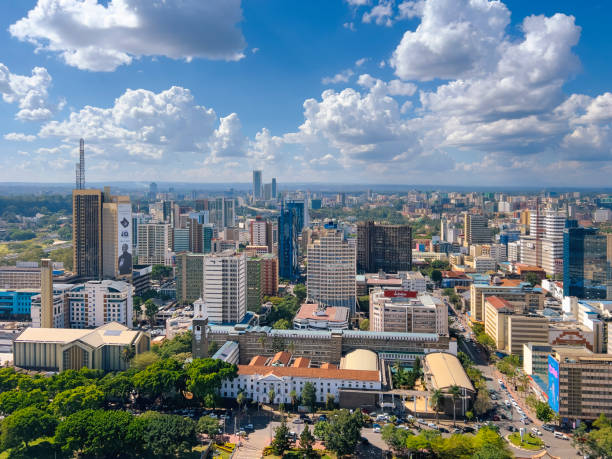
Welcome to Nairobi, a bustling African metropolis brimming with vibrant energy and unique experiences, even for families. However, its expansive layout, combined with lively traffic and a mix of transport options, means getting around Nairobi with kids requires a bit of savvy planning. Unlike many global cities, Nairobi doesn’t feature an extensive metro or tram system, relying predominantly on road-based transport. This guide is designed to help parents navigate the city efficiently and safely, ensuring your family adventure is as smooth as possible.
Getting Around Nairobi with Kids: Transit Logistics & Tips
Nairobi offers a distinctive transportation landscape for families, characterized by its dynamic atmosphere, significant traffic congestion, and a blend of both formal and informal transit choices. The city sprawls across a considerable area, with attractions often scattered, making efficient and safe movement a primary concern for parents. While the major roads are generally paved and well-maintained, be prepared for some smaller streets, particularly in residential areas, which can be quite rough. Traffic can be notoriously heavy, especially during peak hours, typically from 7-9 AM and 4-7 PM on weekdays, so plan your journeys accordingly. As noted, Nairobi relies heavily on road-based transport rather than a metro system. For families, safety is paramount; a clear understanding of local transport nuances, from reliable ride-sharing apps to formal car hire, is essential for a smooth and enjoyable trip. Walking for extended distances, especially with young children, is often impractical due to infrastructure limitations and safety considerations. Additionally, remember Nairobi’s altitude, at nearly 1,800 meters, which might affect physical exertion, so factor in rest breaks, particularly for little ones.
Filter out the noise and find what works for your family.
Every resort we review gets one of four Family Fit ratings. The rating is based on kids programming, amenities, vibe, and who the resort actually markets to - not just whether they allow children.
Discover My Ideal Resort →Logistics at a Glance: Family Transport Options
When considering how to get around Nairobi with kids, understanding the various transport options is key. Each method has its pros and cons regarding convenience, cost, and suitability for families. Here’s a quick comparison to help you decide:
| Rental Cars | Public Transit | Ride-Sharing (Uber/Bolt) | Walking | |
|---|---|---|---|---|
| Suitability for Families | High (for flexibility & comfort, but bring car seats) | Low (overcrowded, unsafe with kids/strollers) | High (convenient, safer than street taxis, but bring car seats) | Low (impractical for long distances, safety/infrastructure issues) |
| Cost | $$$ (daily rate, fuel, parking) | $ (very cheap, but pay per person) | $$ (affordable for short trips, surge pricing can apply) | Free |
| Convenience | High (door-to-door, own schedule, luggage space) | Low (frequent stops, lack of space, no stroller access) | High (on-demand, cashless, tracked) | Low (limited safe zones, uneven pavements) |
| Safety | Medium (requires careful driving, secure parking, car seats vital) | Low (petty theft risk, erratic driving of matatus) | High (tracked trips, driver details, pre-determined fares) | Low (uneven terrain, traffic, security concerns in some areas) |
The Transit Network: A Detailed Breakdown
Let’s delve deeper into each transportation option, offering essential details for families planning their Nairobi adventures.
Rental Cars
Driving in Nairobi, and indeed throughout Kenya, means navigating on the left-hand side of the road. Major thoroughfares such as Mombasa Road, Uhuru Highway, and Waiyaki Way are generally paved and offer relatively smooth passage. However, it’s worth noting that road conditions can vary significantly, with many smaller roads and those in residential areas often being unpaved, poorly maintained, or riddled with potholes. Traffic congestion is a consistent challenge, particularly during peak hours in the Central Business District (CBD) and along major arteries, which can lead to considerable delays. Parking in central Nairobi typically involves metered street parking or paid multi-story car parks, commonly found at shopping malls like Sarit Centre or Junction Mall. For peace of mind, it’s advisable to opt for secure, attended parking lots, as vehicle security can be a concern in certain areas.
When it comes to family logistics, Kenyan traffic laws do not explicitly mandate child car seats for private vehicles. However, their use is strongly recommended for the safety of children of all ages, from infants to pre-teens. International rental agencies such as Avis, Hertz, and Europcar operate in Nairobi, alongside local agencies like Self Drive Kenya, Glory Car Hire, and Rent a Car Kenya. While some of these companies may claim to offer car seats, their availability can be unreliable, and the quality may not always meet international safety standards. Therefore, it is highly advisable for families to bring their own travel car seats. If bringing your own isn’t feasible, ensure you confirm and verify car seat provisions extensively with the rental company beforehand, making certain they are age and weight-appropriate for your children. For tips on choosing the right gear, check out our Ultimate Guide: Travel Car Seats for Kids.
Public Transportation
Nairobi’s public transport network is primarily composed of privately-owned minibuses known as “Matatus” and standard buses operated by companies such as Kenya Bus Service (KBS), City Shuttle, and Neo Kenya Mpya. It’s important to note that Nairobi, unlike many major global cities, does not feature a metro, subway, or tram system. While a commuter rail service (Nairobi Commuter Rail) connects the city center to certain suburbs and towns like Ruiru, Syokimau, and Ongata Rongai, it’s not widely utilized for accessing tourist attractions within the city itself.
For families, Matatus are generally not recommended, especially with young children or strollers, due to overcrowding, a notable lack of space, frequent stops, and potentially erratic driving. Stroller accessibility is virtually non-existent on these vehicles. There are no specific “kids travel free” policies; children typically pay full fare. Larger buses might offer slightly more space, but they are still far from ideal for families with strollers. Safety, including concerns about petty theft, can be an issue on crowded public transport, particularly for families, so remaining vigilant is key. Furthermore, there are no dedicated family passes available for public transport in Nairobi.
Taxis & Ride-Sharing
For convenient and reliable transport around Nairobi, ride-sharing apps are your best bet. Uber, Bolt (formerly Taxify), and Little Cab are the most widely used and dependable options in the city. While traditional local taxi services are also available (often identifiable by yellow stripes or specific branding), ride-sharing apps are generally preferred by families due to their transparency and enhanced safety features.
Regarding family logistics, car seat availability through ride-sharing apps like Uber, Bolt, and Little Cab is extremely rare in Nairobi; you won’t find specific car seat options within the apps. Families must therefore plan to bring their own travel car seats for children of all ages, from infants to pre-teens, if they wish to use them. Using ride-sharing apps is generally considered a safer alternative to hailing a street taxi, as trips are tracked, driver details are registered, and fares are either pre-determined or estimated, significantly reducing the risk of overcharging. If you do opt for a street taxi, always negotiate the fare before starting your journey and clearly confirm your destination to avoid misunderstandings.
Your Arrival: Airport & Train Station Transfers
Your family’s arrival in Nairobi will likely be through one of its primary transportation hubs. Jomo Kenyatta International Airport (JKIA) serves as the main international gateway, while the Nairobi Terminus for the Standard Gauge Railway (SGR Madaraka Express) handles long-distance routes, primarily to Mombasa. Nairobi Central Station, on the other hand, is the hub for commuter rail services.
SGR Commuter Train from JKIA to Nairobi Central Station
This option stands out as the most cost-effective way to get into the city center and offers the significant advantage of bypassing Nairobi’s notorious traffic. To use this service, passengers first take a shuttle bus from the JKIA terminals to the SGR Embakasi station, a journey of approximately 15-20 minutes, costing KES 500 per person. From Embakasi, the SGR commuter train then travels directly to Nairobi Central Station, taking roughly 20 minutes and costing another KES 500 per person. The total estimated cost is KES 1000 (approximately $7-8 USD) per person, with an estimated total time of 45-75 minutes, including transfers and potential waiting times. While economical, this option might not be ideal for families with a lot of luggage or very young children, as it involves multiple transfers and can be a bit of a juggle.
Ride-sharing/Private Transfer from JKIA
For families prioritizing convenience and door-to-door service, a ride-sharing app or pre-booked private transfer is the most suitable choice. Ride-sharing apps like Uber or Bolt are readily available at JKIA, offering a straightforward way to reach your accommodation. The cost typically ranges from KES 1,500 – 3,500 (approximately $10-25 USD), varying significantly based on traffic conditions, time of day (due to surge pricing), and the size of the vehicle requested (e.g., UberXL for more space). The journey time can range from 30-90 minutes, heavily dependent on the severity of Nairobi’s traffic. Alternatively, pre-booked private airport transfers from reputable hotels or tour operators offer similar convenience for a slightly higher, fixed rate, usually between KES 2,500 – 4,500. This offers peace of mind with a driver waiting for you upon arrival, a welcome relief after a long flight, especially when traveling with children. For general travel tips, consider checking our guide to Most Child-Friendly Airports Worldwide.
Want a custom plan? Use our personalized Itinerary Generator for Nairobi to craft the perfect trip tailored to your family’s interests and your children’s ages!
A 3-Day Transit-First Itinerary
Here’s a family-friendly itinerary designed to make getting around Nairobi with kids as smooth and enjoyable as possible, leveraging different transport methods for optimal experience.
Day 1: City Center Discovery (Focus: Walkability in specific zones, ride-sharing for inter-site transport)
Morning: Begin your day with a ride-share to the heart of the city, where you can explore the Kenya National Archives. After a brief but engaging visit, take a short walk across to Uhuru Park, a vast green oasis perfect for kids to stretch their legs and enjoy the playgrounds. This allows for a mix of cultural immersion and active play.
Lunch: Find a family-friendly restaurant in the Central Business District (CBD) for lunch, perhaps a fast-food spot or a cafe with ample space for children. These are typically accessible via a short walk or another quick ride-share, keeping the logistics simple.
Afternoon: From Uhuru Park, hop into a ride-share to the Nairobi National Museum & Snake Park. Here, you can focus on exhibits particularly captivating for children, such as displays on pre-history, various Kenyan cultures, and local wildlife. The reptile park offers an exciting up-close encounter with snakes and other fascinating creatures.
Evening: Conclude your day with dinner in Westlands, an upscale area known for its diverse culinary scene. A ride-share from the museum will comfortably take you there, offering a chance to relax and enjoy a good meal after a day of exploration.
Day 2: Park & Play Adventure (Focus: Ride-sharing or pre-booked driver for animal encounters)
Morning: Start your animal adventure at the Giraffe Centre. Use a ride-share to get to this unique sanctuary located in Karen. Here, your children can delight in feeding the endangered Rothschild giraffes from a raised platform, an unforgettable experience. Allocate 1-2 hours to truly enjoy this interaction.
Lunch: Karen boasts a variety of charming cafes and restaurants. You’ll find plenty of family-friendly options, from the popular Boho Eatery to more local eateries, perfect for a relaxed midday meal.
Afternoon: From the Giraffe Centre, another ride-share will take you to the David Sheldrick Wildlife Trust Elephant Orphanage. Plan your visit to coincide with the public feeding hour (11 AM-12 PM) to witness adorable baby elephants being fed and learn about vital conservation efforts. This touching experience is a highlight for many families.
Evening: After your wildlife encounters, take a ride-share back to your accommodation or venture to a different area like Kilimani for dinner, known for its pleasant atmosphere and dining options. Consider our recommendations for Best Cushioned Kids’ Sneakers for Family Travel to keep everyone comfortable during these active days.
Day 3: Day Trip Exploration (Focus: Rental car or private driver for regional access)
Destination: For your final day, embark on a memorable day trip to Hell’s Gate National Park & Lake Naivasha, located approximately a 2-hour drive one-way from Nairobi. This offers a change of scenery and a chance to experience Kenya’s diverse landscapes.
How: To maximize flexibility and comfort, especially for regional access, renting a 4×4 vehicle is highly recommended. Alternatively, you can arrange a private driver or tour. If driving yourself, take the A104 highway northwest from Nairobi towards Naivasha. This ensures you’re set for getting around Nairobi with kids and beyond.
Activities: At Hell’s Gate, older children (aged 7 and up) can enjoy the unique experience of cycling alongside zebras and giraffes (bicycle rentals are available at the park gate) or exploring the dramatic Hell’s Gate Gorge on foot. For younger children, a scenic safari drive through the park offers ample opportunities to spot wildlife from the comfort of the vehicle. Afterwards, drive a short distance to Lake Naivasha for a relaxing boat ride. This approximately 1-hour excursion provides a chance to spot hippos surfacing in the water and a variety of vibrant birdlife along the shores. This day trip is suitable for all ages, with adaptable activities to match varying energy levels and interests within your family.
Regional Excursions: Accessibility & Reach
Beyond the city limits, Nairobi serves as a fantastic launching point for incredible family-friendly regional excursions. Getting around Nairobi with kids to these destinations often means planning for a private vehicle or tour.
Ol Pejeta Conservancy
Ol Pejeta Conservancy is an exceptional destination for families with children of all ages, offering unparalleled wildlife viewing opportunities. Here, you have the incredible chance to spot the “Big Five” – lion, leopard, elephant, rhino, and buffalo – as well as the unique and moving experience of seeing the last two northern white rhinos. The conservancy also features a chimpanzee sanctuary, providing a different kind of animal encounter that captivates children. The strong emphasis on conservation efforts throughout Ol Pejeta provides a valuable educational component, making it a trip that’s both thrilling and enriching for young minds.
Located approximately a 3-4 hour drive north of Nairobi, near Nanyuki, the most practical way to reach Ol Pejeta is by renting a car. A 4×4 vehicle is strongly recommended, especially for comfortably navigating the conservancy’s internal roads, which can be rough. Alternatively, booking a multi-day safari tour with a private driver and specialized safari vehicle offers a stress-free experience. While public transport options like matatus or buses exist to Nanyuki, they are not convenient or safe for families with children for the entire journey, particularly when considering transport within the conservancy itself. To drive, take the A2 highway north from Nairobi towards Nanyuki; the conservancy is well-signposted past Nanyuki town.
Amboseli National Park
Amboseli National Park is another superb choice for families with children of all ages, primarily celebrated for its iconic, breathtaking views of Mount Kilimanjaro serving as a dramatic backdrop to guaranteed sightings of large herds of elephants, often with their adorable calves. The park’s flat, open landscape makes wildlife spotting remarkably easy and incredibly exciting for kids, who will love pointing out animals from a distance. It delivers a quintessential East African safari experience that leaves a lasting impression on young adventurers.
Situated approximately a 4-5 hour drive southeast of Nairobi, Amboseli is best accessed via a rental 4×4 vehicle. A 4×4 is essential for navigating the park’s unpaved roads, especially during the rainy seasons when conditions can become challenging. Alternatively, a pre-booked safari package with a private driver and safari vehicle ensures a comfortable and hassle-free journey. Public transport, such as buses to nearby towns like Emali or Loitokitok, is not a viable option for families looking to reach or effectively navigate within the park. For those driving, take the A104 south towards Mombasa, then turn off onto the C102 or C103 roads that lead directly to Amboseli. Planning ahead for these longer journeys is key to a successful family safari.
Noteworthy Local Transport Experiences
While Nairobi doesn’t boast funiculars, ferries, or historic trams, the most genuinely “noteworthy” local transport experience for families is undoubtedly the safari vehicle itself. Whether you’re in a pop-top safari van or a rugged 4×4 Land Cruiser, these specialized vehicles transform mere transportation into an integral part of your adventure. They allow children to stand safely (with adult supervision) and observe wildlife, whether it’s within Nairobi National Park or on more extended excursions to other conservancies. The journey in these robust vehicles across varying terrains is an authentic Kenyan experience, turning every drive into a mini-safari.
For a brief cultural immersion, observing the vibrant art and decor of the “souped-up” matatus can be interesting, even if riding them isn’t practical or advisable with kids. These minibuses are essentially moving canvases, showcasing incredible local artistry and a unique aspect of Kenyan popular culture. While not a direct transport method for families, their colorful presence adds to the city’s lively atmosphere and offers a fascinating visual insight into local life. For those looking for more general family travel insights, our Family Travel Guides offer a wealth of information. You can also explore Nairobi’s Wikivoyage page for more practical tips.
Useful resources.
- Getting Around Vancouver with Kids: Family Transport Guide
- Getting Around Madrid with Kids
- Getting Around Hong Kong with Kids
- Getting Around Miami with Kids
- Getting Around Chicago with Kids
- Family Travel Guides
- Most Child-Friendly Airports Worldwide
- Best Compact Airline-Friendly Strollers
- Ultimate Guide: Travel Car Seats for Kids
- Best Cushioned Kids’ Sneakers for Family Travel
- Wikivoyage page on Nairobi
Plan a trip your kids will actually enjoy.
Answer a few quick questions and get a free, personalized itinerary tailored to your destination and your children’s ages. No account required — your custom plan is ready in moments.
Filter out the noise and find what works for your family.
Every resort we review gets one of four Family Fit ratings. The rating is based on kids programming, amenities, vibe, and who the resort actually markets to - not just whether they allow children.
Discover My Ideal Resort →
![Ultimate Guide to [destination] Copenhagen](https://kiddometer.com/wp-content/uploads/2026/02/Ultimate-Guide-to-destination-pic-34-400x225.jpg)