Shanghai, a city where futuristic skyscrapers meet historic alleyways, is a vibrant destination for families. Navigating this immense metropolis with children might seem daunting, but thankfully, Shanghai boasts an incredibly efficient and modern public transportation network. This system makes getting around Shanghai with kids not just possible, but remarkably straightforward and often an enjoyable part of the adventure.
The city’s extensive metro system, comprehensive bus routes, and readily available ride-sharing services mean you’ll rarely be without an option. While private car rentals are technically an option, they’re less common for tourists due to unique driving laws, traffic congestion, and the sheer excellence of public alternatives. You’ll find Shanghai surprisingly stroller-friendly in many key areas, with accessible metro stations and numerous pedestrian zones, especially around major attractions like the iconic Bund and bustling People’s Square. To ensure seamless travel, understanding local payment systems like the Shanghai Public Transportation Card or mobile apps such as Alipay and WeChat Pay is crucial. A bit of route planning, especially during peak hours, and prioritizing comfort for your little ones will guarantee a smooth and memorable experience exploring Shanghai’s dynamic cityscape.
Filter out the noise and find what works for your family.
Every resort we review gets one of four Family Fit ratings. The rating is based on kids programming, amenities, vibe, and who the resort actually markets to - not just whether they allow children.
Discover My Ideal Resort →Logistics at a Glance: Family Transport Options
When planning your family’s journey in Shanghai, it’s helpful to weigh the pros and cons of each transport method. Each option offers a different balance of convenience, cost, and suitability for families with young children. Understanding these differences will help you make informed decisions when getting around Shanghai with kids.
Rental Cars offer the greatest flexibility, particularly if you’re keen to explore destinations off the beaten path outside the main city. However, they come with significant drawbacks, including severe traffic congestion, complex navigation due to mostly Chinese signage, and persistent parking challenges. Foreigners also face difficulties obtaining temporary Chinese driving licenses, making this option generally not recommended for tourists. For families, Chinese law mandates car seats for children under 12 years old or 1.4 meters (4.6 feet) tall. While some local agencies might offer car seats, availability is often uncertain, so bringing your own portable option is highly advisable. For a deeper dive into ensuring car seat safety on your trip, refer to our ultimate guide on travel car seats for kids.
Public Transit, particularly the Shanghai Metro, is incredibly efficient and extensive, covering virtually all major attractions. Many metro stations are equipped with elevators and escalators, making them relatively stroller-friendly, which is a huge plus when you are getting around Shanghai with kids. Children under 1.3 meters (approximately 4.3 feet) typically travel free when accompanied by an adult, extending to public buses as well. The main downside is that trains and platforms can get incredibly crowded during rush hour. While the bus network is comprehensive, it can be challenging for non-Mandarin speakers and is less accommodating for strollers compared to the Metro. For seamless payment, consider a Shanghai Public Transportation Card (SPTC) or utilize mobile payment apps like Alipay or WeChat Pay, which are widely accepted. This convenience extends to other Asian cities as well, so prepare by checking out our guide on the best travel adapters for families to keep your devices charged.
Ride-Sharing/Taxis provide convenient door-to-door service and are readily available across the city. The main ride-sharing app, Didi, operates similarly to Uber, offering a quick way to hail a car. However, a significant consideration for families is the extremely limited availability of car seats through Didi’s “Kids Car” option, and street taxis almost never have them. If a car seat is essential for your little one, pre-booking a private transfer is your safest bet. Always ensure the taxi driver uses the meter to avoid overcharging.
Walking is an excellent way to explore Shanghai for short distances, especially within its numerous pedestrian zones. It allows for spontaneous discovery of hidden gems and is fantastic around areas like the Bund and the charming French Concession. For these strolls, ensuring your children have comfortable footwear is key; take a look at our recommendations for the best cushioned kids’ sneakers. While many key areas are stroller-friendly, Shanghai is a vast city, making walking impractical for long distances and potentially tiring for small children. Combining walking with public transport is often the best strategy for families.
The Transit Network: A Detailed Breakdown
Shanghai’s robust transportation infrastructure is a key factor in making it such an accessible city for families. Understanding the nuances of each option will significantly enhance your experience when getting around Shanghai with kids.
Rental Cars
Driving in Shanghai means adhering to right-hand side traffic, and while road quality is excellent, prepare for severe traffic congestion, particularly during peak hours from 7:00-9:00 AM and 5:00-7:00 PM. Navigation can be complex, with signage predominantly in Chinese and a maze of elevated expressways. Parking in central districts like Huangpu, Jing’an, and Xuhui is scarce and expensive, usually confined to underground garages. For foreign visitors, obtaining a temporary Chinese driver’s license is generally required and can be a hurdle for short stays.
Regarding family logistics, Chinese law strictly mandates that children under 12 years old or under 1.4 meters (4.6 feet) must use appropriate car seats or booster seats. While international and local rental agencies such as eHi Car Services, Avis, and Hertz might offer car seats, their availability is not guaranteed, especially for specific age ranges or types. It’s highly recommended to confirm and reserve car seats well in advance, or better yet, consider bringing your own portable car seat. Overall, self-driving is generally not recommended for families visiting Shanghai due due to language barriers, traffic challenges, and parking difficulties. For comprehensive advice on selecting the right child restraint for your travels, consult our ultimate guide on travel car seats for kids.
Public Transportation
The Shanghai Metro is undeniably the star of the city’s public transit, boasting over 18 lines and more than 400 stations that crisscross nearly every major attraction and neighborhood. For tourists, lines like Line 2 (connecting Pudong Airport, Hongqiao Airport/Railway, People’s Square, and Lujiazui), Line 10 (linking Hongqiao Airport/Railway, Yu Garden, and Xintiandi), and Line 1 (serving People’s Square and Xujiahui) are particularly useful. While the Shanghai Bus network is extensive, it can be a bit challenging for non-Mandarin speakers and is generally less stroller-friendly. For a unique arrival experience, the Shanghai Maglev offers a thrilling, high-speed connection from Pudong International Airport to Longyang Road Station.
When it comes to family logistics, Shanghai Metro stations are thoughtfully designed with elevators and escalators, making them quite accessible for strollers. However, be prepared for crowded platforms and trains during rush hour. A wonderful benefit for families is that children under 1.3 meters (approximately 4.3 feet) travel free on the Metro when accompanied by an adult, a policy that also extends to public buses. While there aren’t specific “family passes,” a rechargeable Shanghai Public Transportation Card (SPTC) is incredibly convenient for all family members, as each person simply scans their card. Alternatively, QR code payments via Alipay or WeChat Pay are widely accepted across all public transport options, offering a seamless tap-and-go experience. If you are traveling with a little one, consider bringing one of the best compact airline-friendly strollers to make navigating the city even easier.
Taxis & Ride-Sharing
In Shanghai, the dominant ride-sharing app is Didi Chuxing (滴滴出行), which operates very similarly to how Uber works in other parts of the world (note that Uber does not operate independently in mainland China). Other apps like Gaode Ditu (Amap – 高德地图) also integrate ride-hailing services with navigation, offering additional options. Traditional taxis are also plentiful and easily hailed on the street, especially near major transport hubs; simply look for the distinctive light green, blue, or yellow vehicles.
For families, Didi Chuxing does offer a “Didi Kids” or “Kids Car” option, which theoretically provides vehicles with car seats. However, the availability of these cars is extremely limited and should not be relied upon, especially if you need a specific type of car seat or are traveling outside central areas or peak times. Street-hailed taxis almost never carry car seats, which is a critical consideration when getting around Shanghai with kids. If your family requires a guaranteed car seat, your safest bet is to pre-book a private transfer service, often arranged through your hotel or a dedicated travel agency. While Didi is generally safe and regulated, traditional street-hailed taxis can occasionally refuse short trips or overcharge if the meter isn’t used, though this is less common with reputable companies. Always make sure the driver activates the meter at the start of your journey.
Want a custom plan? Use our personalized Itinerary Generator for Shanghai!
Your Arrival: Airport & Train Station Transfers
Your journey into Shanghai with kids will likely begin at one of its major transportation hubs. Shanghai is served by two main international airports: Shanghai Pudong International Airport (PVG) and Shanghai Hongqiao International Airport (SHA). For train travel, Shanghai Railway Station caters to some conventional and short-distance lines, while Shanghai Hongqiao Railway Station stands as the primary hub for high-speed rail, conveniently connected to Hongqiao Airport.
Here are the top two recommended options for getting from PVG to the bustling People’s Square or Bund area:
1. Fastest Train (Maglev + Metro): For a truly exhilarating start to your Shanghai adventure, take the Shanghai Maglev. This incredibly fast train whisks you from PVG to Longyang Road Station in a mere 8 minutes. Tickets cost RMB 50 for a one-way trip or RMB 80 for a round-trip, and children under 1.3 meters ride free. From Longyang Road, you’ll easily transfer to Metro Line 2, which takes you directly to People’s Square or East Nanjing Road in approximately 15-20 minutes, costing RMB 3-5. The total journey time is roughly 25-30 minutes, with a total cost of around RMB 53-55 per adult. This option is incredibly fast but does involve two transfers and navigating metro crowds with luggage and potentially tired children, which can be a bit of a juggle.
2. Most Convenient Private Transfer: For families prioritizing ease and comfort, a pre-booked private car service is often the best choice. You can arrange this through your hotel, a trusted travel agency, or platforms like Klook. This service offers seamless door-to-door transport directly from the airport to your accommodation. It’s especially ideal if you’re traveling with multiple pieces of luggage, a stroller, or small children who require a guaranteed car seat (which can be arranged in advance with these services). The cost typically ranges from RMB 200-350+, depending on the vehicle size and specific service. While more expensive, the convenience of a direct transfer, especially after a long flight, is invaluable. The travel time is approximately 45-75 minutes, though this can fluctuate significantly based on traffic conditions.
A 3-Day Transit-First Itinerary
Planning your days around efficient transport can make a world of difference when getting around Shanghai with kids. This itinerary focuses on leveraging Shanghai’s excellent public transit to explore the city’s best family-friendly attractions.
Day 1: City Center Discovery (Focus: Walkability and central trams/metro)
Morning: Begin your day by exploring the heart of Shanghai at People’s Square. Here, you can visit the Shanghai Museum or the Urban Planning Exhibition Center, which offers fascinating insights into the city’s past and future. Reaching People’s Square Station is easy via Metro Line 1, 2, or 8. The area around the square is spacious and offers plenty of room for little legs to stretch.
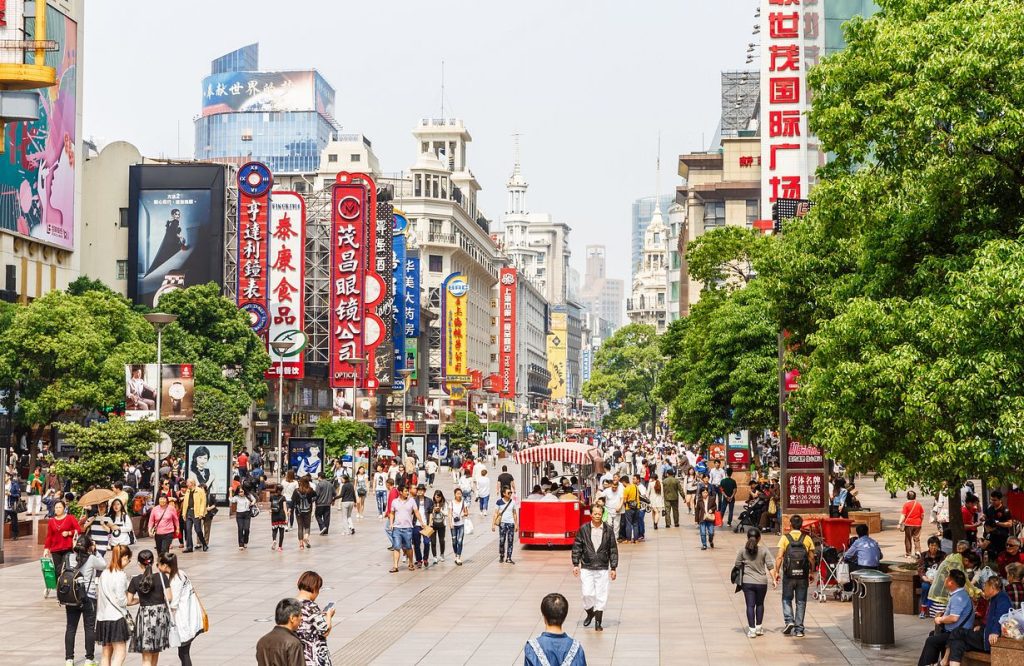
Afternoon: Take a leisurely walk along Nanjing Road Pedestrian Street, a vibrant shopping thoroughfare that leads directly to the Bund. You can access this area from East Nanjing Road Metro Station (Line 2/10). The Bund offers spectacular, iconic skyline views of both historic Puxi and modern Pudong, perfect for a family stroll.
Evening: As dusk settles, consider taking a Huangpu River ferry ride for truly breathtaking skyline views. Ferries depart from the Jinling East Road Ferry Dock, conveniently close to East Nanjing Road Metro Station. It’s an affordable and memorable way to see the city lights twinkle.
Day 2: Park & Play Adventure (Focus: Using local buses to reach green spaces)
Morning: Immerse yourselves in traditional Chinese culture with a visit to Yu Garden, easily reached via Yu Garden Metro Station (Line 10/14). Explore the exquisite classical gardens and the bustling Old City God Temple area surrounding it. Kids will love marveling at the intricate architecture, koi ponds, and vibrant atmosphere.
Afternoon: Head to Century Park, Shanghai’s largest park, a green oasis offering ample space for kids to run and play. Century Park Metro Station (Line 2) provides direct access. Here, you can rent bicycles – including tandems or bikes with child seats – or simply enjoy the vast open spaces and various playgrounds. Exploring via local buses can also be an adventure, offering a different perspective of Shanghai’s charming neighborhoods.
Evening: Conclude your day with dinner in the Xintiandi area (Xintiandi Metro Station, Line 10/13). This charming district is renowned for its beautifully preserved Shikumen architecture, pedestrian-friendly streets, and a wide array of family-friendly dining options.
Day 3: Day Trip Exploration (Focus: Regional rail or car rental)
Morning/Afternoon: Dedicate your third day to an exciting day trip outside the city, utilizing China’s efficient high-speed rail network. Many families enjoy exploring other fascinating cities in Asia. If you’re looking for inspiration for urban adventures with children, check out our guides to Seoul with Kids or Dubai with Kids.
Option A: Suzhou (High-Speed Rail). Depart from either Shanghai Railway Station or Shanghai Hongqiao Railway Station, with a quick journey of approximately 30 minutes, costing around RMB 35-40. In Suzhou, you can explore the famous Humble Administrator’s Garden or Lingering Garden, both UNESCO World Heritage sites. A traditional canal boat ride is a must-do and a highlight for kids. Suzhou is suitable for all ages due to its short travel time and diverse, engaging activities.
Option B: Hangzhou (High-Speed Rail). Board a high-speed train from Shanghai Hongqiao Railway Station for a journey lasting approximately 1 hour, with tickets costing RMB 73-80. In Hangzhou, enjoy a serene boat ride on the picturesque West Lake, visit the majestic Leifeng Pagoda, or explore the verdant tea plantations. This option is also suitable for all ages, though it involves a slightly longer travel time.
Regional Excursions: Accessibility & Reach
Venturing beyond Shanghai’s city limits offers wonderful opportunities for families to experience more of China’s rich culture and natural beauty. High-speed rail makes these day trips incredibly accessible and enjoyable when getting around Shanghai with kids.
Hangzhou
Why: Hangzhou is a renowned destination famous for its stunning West Lake, a UNESCO World Heritage site. This offers a tranquil escape from Shanghai’s urban bustle, with serene boat rides, ancient pagodas, and lush gardens that provide a stark contrast to the city’s modernity. It’s an excellent family-friendly destination for a relaxing day trip, with a city center that is very walkable around the lake and numerous parks and cultural sites suitable for various ages.
How: The most efficient way to reach Hangzhou from Shanghai is by high-speed rail, specifically G-trains or D-trains, departing from Shanghai Hongqiao Railway Station. The journey is impressively quick, taking approximately 1 hour to reach Hangzhou East Railway Station. Tickets typically cost around RMB 73-80 for a second-class seat. Upon arrival in Hangzhou, local buses, taxis, or the Didi ride-sharing app are readily available to transport your family to West Lake and other popular attractions.
Suzhou
Why: Often dubbed the “Venice of the East,” Suzhou is globally recognized for its exquisite classical gardens, many of which are UNESCO World Heritage sites, as well as its ancient canals and renowned silk production. It provides a rich cultural and historical experience that is easily digestible for families. The gardens offer manageable walking distances, and charming canal boat tours are typically a big hit with children, providing a unique perspective of the city.
How: High-speed rail is again the best option for reaching Suzhou, with trains departing from either Shanghai Railway Station or Shanghai Hongqiao Railway Station to Suzhou Railway Station or Suzhou North Railway Station. The journey is very short, typically ranging from 25 to 35 minutes. Tickets for a second-class seat are affordable, usually between RMB 35-40. Once you arrive in Suzhou, the city center and its major gardens are well-served by an extensive network of local buses and readily available taxis or Didi. This makes getting around Shanghai with kids to explore its neighboring cities a breeze.
Noteworthy Local Transport Experiences
Beyond the practicalities of getting from point A to point B, Shanghai offers a few unique transport experiences that can be fun and memorable additions to your family’s itinerary.
Bund Sightseeing Tunnel: This isn’t your everyday commute, but rather a quirky, short underground tunnel ride beneath the Huangpu River. It connects the historic Bund with the futuristic Pudong area. While not a practical transport link for daily use, its psychedelic light and sound effects create an amusing, albeit touristy, experience that kids often find quite entertaining and memorable. It’s a whimsical way to travel between two iconic districts.
Huangpu River Ferries: For an authentic, local, and incredibly economical experience, hop aboard one of the public ferries crossing the Huangpu River. For just a few RMB, your family can enjoy fantastic, unobstructed views of both the majestic, historic Bund on one side and the dazzling, futuristic Pudong skyline on the other. It’s a truly local perspective on Shanghai’s grandeur. A popular and convenient route is from the Jinling East Road Ferry Dock on the Puxi side to the Dongchang Road Ferry Terminal in Pudong.
Shanghai Trams (Limited): While the extensive network of historic trams that once crisscrossed Shanghai is largely a thing of the past, a modern tram line, the Zhangjiang Tram, operates in the Zhangjiang Hi-Tech Park area. This offers a glimpse into a different, more contemporary mode of public transit. While not centrally located for most tourists, it can be a point of curiosity for transport enthusiasts or those looking to explore a different facet of Shanghai’s urban development.
- Getting Around Hong Kong with Kids
- Getting Around Seoul with Kids
- Getting Around Osaka with Kids
- Getting Around Kuala Lumpur with Kids: Transport Guide
- Seoul with Kids
- Dubai with Kids
- Best Compact Airline-Friendly Strollers
- Ultimate Guide: Travel Car Seats for Kids
- Best Cushioned Kids’ Sneakers for Family Travel
- Best Travel Adapters for Families
- Wikivoyage page on Shanghai
Plan a trip your kids will actually enjoy.
Answer a few quick questions and get a free, personalized itinerary tailored to your destination and your children’s ages. No account required — your custom plan is ready in moments.
Filter out the noise and find what works for your family.
Every resort we review gets one of four Family Fit ratings. The rating is based on kids programming, amenities, vibe, and who the resort actually markets to - not just whether they allow children.
Discover My Ideal Resort →
![Ultimate Guide to [destination] Copenhagen](https://kiddometer.com/wp-content/uploads/2026/02/Ultimate-Guide-to-destination-pic-34-400x225.jpg)