
Despite covering everything from North Shore day trips to budget breakdowns, none of the site’s Oahu content has laid out a dedicated packing list — and Oahu’s mix of beaches, hikes, and reef snorkeling has some specific needs that a generic tropical-vacation list won’t fully cover. Here’s what to actually pack, and what’s smarter to just buy once you land.
Filter out the noise and find what works for your family.
Every resort we review gets one of four Family Fit ratings. The rating is based on kids programming, amenities, vibe, and who the resort actually markets to - not just whether they allow children.
Discover My Ideal Resort →What to Know
- Hawaii requires mineral-based reef-safe sunscreen (zinc oxide, not oxybenzone or octinoxate) — pack it before you go rather than assuming any sunscreen will work locally
- Bulky, cheap, or easily replaceable gear — beach chairs, boogie boards, sand toys, extra towels — is smarter to buy at an ABC Store or Walmart once you’re on Oahu than to pack from home
- Pack one extra day’s worth of clothing beyond what you’d normally bring — frequent swim-to-dry outfit changes and occasional rain mean laundry day comes faster than expected
- A rain jacket is worth packing even for a summer trip — Oahu’s weather shifts quickly, especially on the windward side, despite consistently warm temperatures
- Costco offers the deepest savings for bulk proteins, dairy, and paper goods (25-40% below Foodland), while Foodland’s free Maika’i rewards card unlocks member pricing on prepared local food and fresh fish
- Oahu’s UV index regularly exceeds 10, and sunburns happen even on cloudy days — sun protection matters as much on an overcast beach day as a clear one
Sunscreen: The One Non-Negotiable
Hawaii’s mineral-only sunscreen rule applies statewide, including Oahu, and it’s the single most Oahu-specific item on this list. Sunscreens containing oxybenzone and octinoxate are banned because of the damage they cause to coral reefs, so pack a mineral-based sunscreen using zinc oxide rather than assuming your regular brand qualifies. This matters most at reef-heavy snorkel spots like Hanauma Bay and the North Shore’s coves, but it’s worth using everywhere on the island rather than switching sunscreens depending on the day’s plans. Oahu’s UV index regularly runs above 10, and burns happen even under cloud cover, so this isn’t a pack-it-and-forget-it item — reapplication matters as much as the initial coat.
What’s Actually Worth Buying There
A lot of standard beach-vacation gear is bulky, cheap, and easy to find locally, which makes packing it from home a waste of suitcase space. Beach chairs and umbrellas, boogie boards, inflatable rings, sand toys, and extra towels are all readily available at ABC Stores (ubiquitous around Waikiki) or a Walmart stop, usually at prices that make shipping or checking bulky luggage not worth the hassle. The general rule: if it’s bulky, inexpensive, or easily replaceable, buy it there instead of packing it.
Clothing: Pack for More Changes Than You’d Expect
Oahu trips tend to burn through clean clothes faster than a typical vacation, mostly because of how often kids go from swimming to dry clothes and back again in a single day. Packing one extra day’s worth of clothing beyond what feels necessary tends to prevent an unplanned laundry run mid-trip. A rain jacket is worth including too, even for a summer visit — Oahu’s weather can shift quickly, particularly on the windward side, and a warm temperature doesn’t rule out a passing shower. A lightweight sweater or layer is also worth having for evenings, which cool down more than the daytime heat suggests.
Snorkel and Hike Gear
For snorkeling, your own mask and goggles are worth packing if you already own them — reef-safe sunscreen again matters here specifically, since these are the exact water conditions the mineral-only rule is designed to protect. For hikes, a daypack, real hiking shoes rather than sandals, and bug spray cover most of what’s needed, since many Oahu trails offer little to no shade along the way.
Groceries: Where to Actually Stock Up
If you’re staying somewhere with a kitchen, Costco offers the deepest overall savings — 25-40% below Foodland on bulk proteins, dairy, and paper goods, plus gas that runs 30-60 cents below street prices at several Oahu locations. A $65 Gold Star membership typically pays for itself within a couple months of protein and fuel savings on a longer trip. Foodland is worth signing up for separately (the Maika’i rewards card is free) since it beats Costco on prepared local food and fresh fish, particularly during Wednesday and Friday poke specials. For a shorter trip, splitting one Costco run for bulk staples with a Foodland stop for produce and prepared food covers most of what a family needs without requiring a full grocery-store rotation.
Quick Answers
- Can I bring my regular sunscreen to Oahu? Only if it’s mineral-based — Hawaii has banned the sale and use of sunscreens containing oxybenzone and octinoxate statewide.
- Should I pack beach chairs and boogie boards? No — they’re bulky and cheap to buy locally at ABC Stores or Walmart, so it’s not worth the suitcase space.
- Where should I grocery shop for the best savings? Costco for bulk proteins and staples (25-40% below Foodland), Foodland for fresh fish and prepared local food with its free rewards card.
Things to Do in Oahu
Browse family-friendly tours and activities in Oahu, ranked from real traveler reviews.
Where to Stay in Oahu
A few family-friendly places to base your trip:
 Aulani, A Disney Resort & Spa
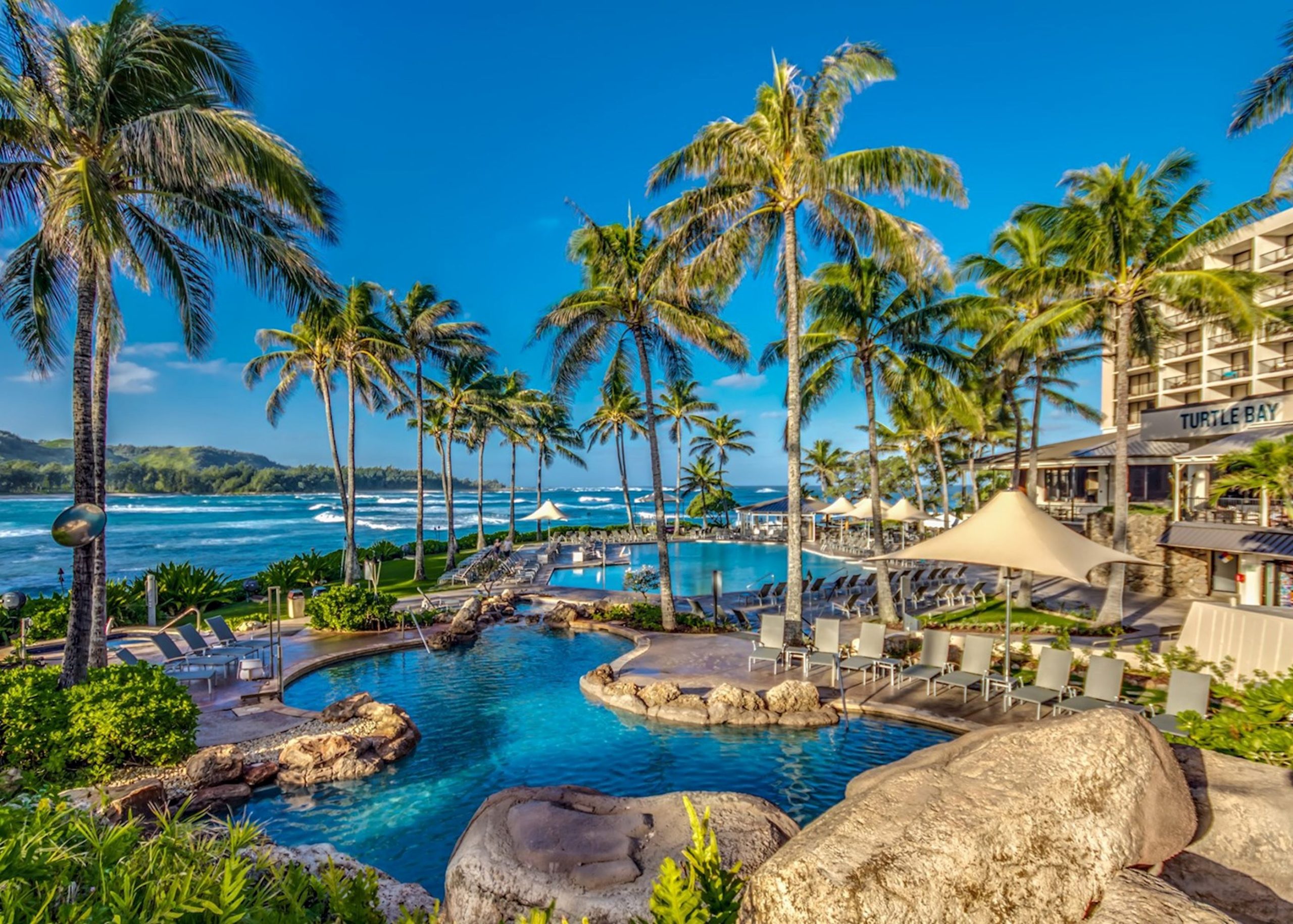 Turtle Bay Resort
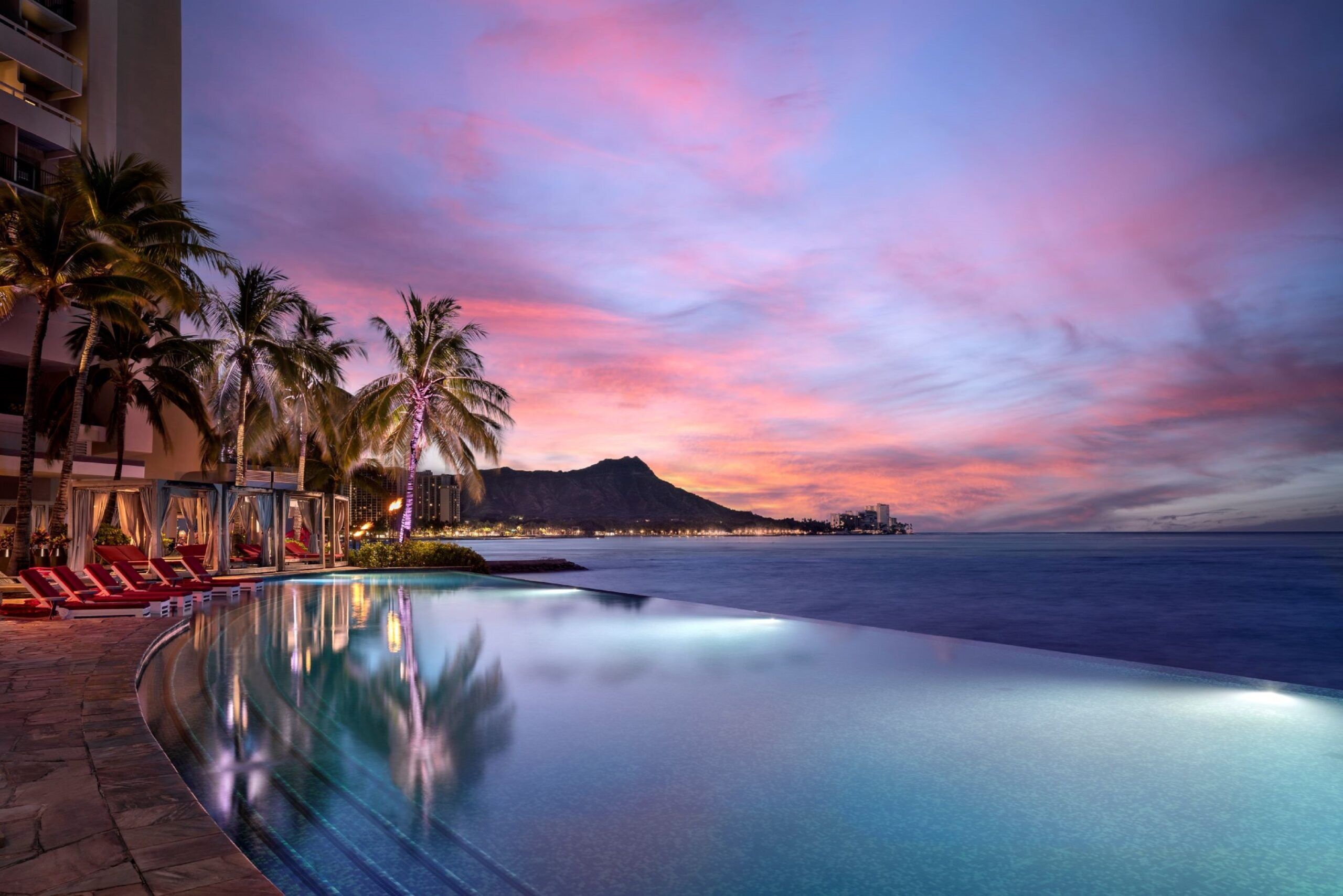 Sheraton Waikiki
 Embassy Suites by Hilton Oahu Kapolei
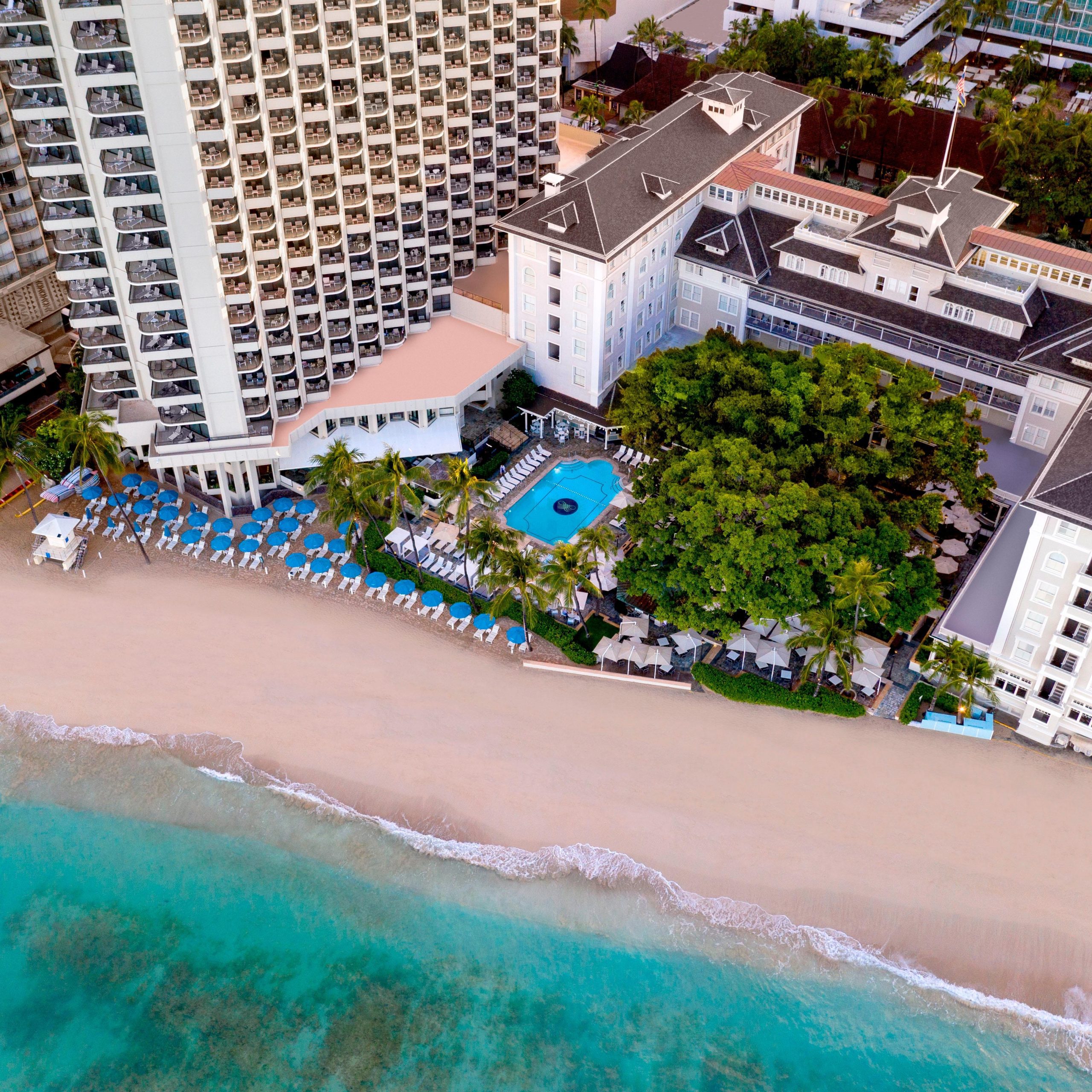 Moana Surfrider, A Westin Resort & Spa
Ready to Plan Your Oahu Trip?
Get a personalized family itinerary built around your kids ages, interests, and travel style — free.