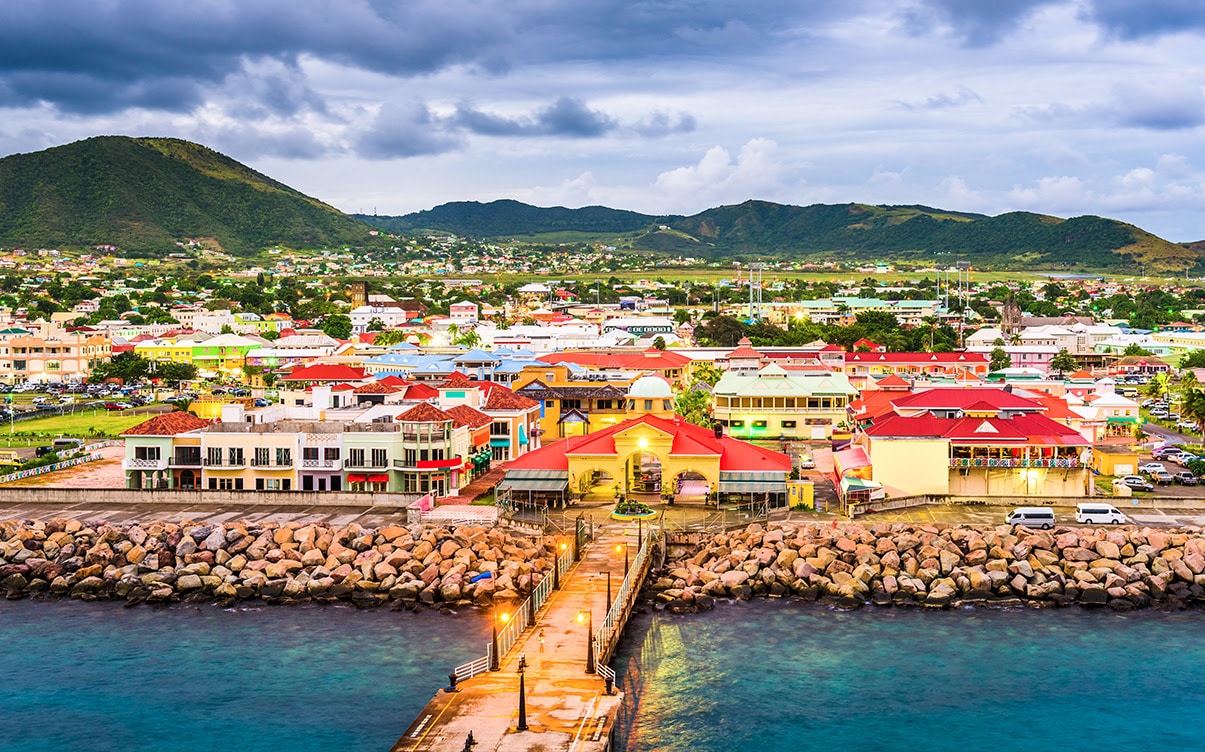
St. Kitts is the larger of the two-island federation of St. Kitts and Nevis, a 68-square-mile
volcanic island in the Eastern Caribbean reachable via a short flight or ferry connection from several US
gateway cities. It draws fewer family crowds than Aruba or the US Virgin Islands, which means shorter lines
at attractions but also less English-language tourist infrastructure built specifically around kids —
here’s what to sort out before you book.
What to Know
- Direct flights from Miami, Charlotte, Atlanta, and New York (seasonal) land at Robert L. Bradshaw International Airport (SKB) in Basseterre.
- US, UK, and Canadian citizens need a passport valid for the length of stay — no visa required for stays under 90 days.
- December through April is dry season and peak season; June through November is hurricane season with lower prices and higher humidity.
- The island uses the Eastern Caribbean Dollar (XCD), but US dollars are accepted almost everywhere at a fixed ~2.7:1 rate.
- St. Kitts drives on the left, and rental cars require a temporary local driving permit (about $24 USD, issued at the rental counter).
- Nevis is a 30-45 minute ferry ride away and is often paired with a St. Kitts stay for families wanting two islands in one trip.
Entry Requirements and Getting There
Most connections into SKB route through Miami, Charlotte, Atlanta, San Juan, or St. Maarten, so a
first-timer trip usually means one layover each way. Immigration processing at SKB is manageable for a
small airport — expect 20-40 minutes on arrival during peak season mornings when multiple flights land
close together. Bring a printed or digital return ticket; officers sometimes ask for one at entry.
Filter out the noise and find what works for your family.
Every resort we review gets one of four Family Fit ratings. The rating is based on kids programming, amenities, vibe, and who the resort actually markets to - not just whether they allow children.
Discover My Ideal Resort →Car seats are not standard in taxis, which is how most families get from the airport to their hotel.
If you’re traveling with an infant or toddler, bring your own car seat or confirm in advance that your
resort’s transfer service can provide one — most taxi drivers do not carry them.
Best Time to Visit and What to Skip
December through mid-April is dry, warm (upper 70s to mid-80s Fahrenheit), and the most expensive
stretch of the year, especially around Christmas and February break weeks. May and early June offer a
shoulder-season window with lower rates and still-manageable rain. From August through October, tropical
storm risk is highest; if you travel then, buy travel insurance that covers weather-related cancellations
and keep your itinerary flexible.
Rain in St. Kitts typically arrives as short, heavy afternoon showers rather than all-day washouts, so it
rarely cancels a beach day outright — it just shortens it. For a rundown of which regions of the island
suit different kinds of family stays, the regional breakdown of where to base yourself
covers that in more depth than we will here.
Getting Around Once You’re There
St. Kitts is compact enough to circle by car in under two hours, but taxis are metered informally by
destination rather than by meter, so agree on a price before you get in. Renting a car gives the most
flexibility for families juggling nap schedules and unplanned stops, though left-side driving and narrow
coastal roads take some adjustment on day one.
Compare rental car options before you land if you’d rather not negotiate at the airport counter, and consider
booking an airport transfer in advance for your arrival day, when everyone is tired and luggage-heavy.
What Surprises First-Time Visitors
Cell service is reliable island-wide through the major US carriers’ international plans, but data speeds
drop noticeably outside Basseterre and Frigate Bay — download offline maps before you land if you’re
renting a car and exploring the north coast. Tap water is treated and safe to drink in hotels and
restaurants, though many families traveling with young kids stick to bottled water out of habit rather
than necessity.
Restaurants and shops run on “island time” more than resort staff do — a posted closing time is
often approximate, and reservations for popular dinner spots during peak season are worth making a day or
two ahead rather than walking in. Sunday sees many businesses outside hotel properties closed or on reduced
hours, which matters if you’re planning a day trip into Basseterre.
Plan Your Days in St. Kitts
Browse family-friendly tours, snorkeling trips, and day activities on St. Kitts.
Quick Answers
Do I need a visa to visit St. Kitts with kids?
No, if you’re a US, UK, Canadian, or EU passport holder staying under 90 days — just a valid passport for the full length of your stay.
How many days do you need in St. Kitts?
4-5 days covers the beaches, one or two land activities, and a relaxed pace with young kids; add 2 more days if you’re combining it with a Nevis ferry day trip.
Is St. Kitts safe for families?
Yes, tourist areas around Frigate Bay and Basseterre see routine police presence and low visitor crime; standard precautions (don’t leave valuables visible in a rental car) apply as anywhere.
Where to Stay in St. Kitts
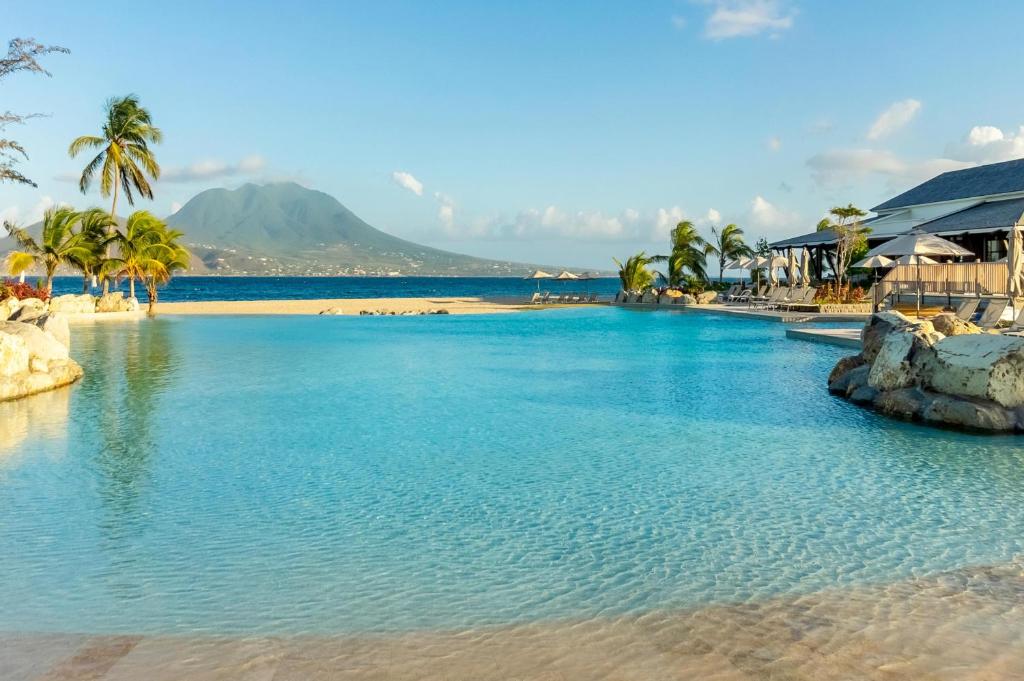
Park Hyatt St. Kitts
Free kids’ club (ages 3-12), a separate adults-only pool zone away from the family pool, and Christophe Harbour’s calm water.
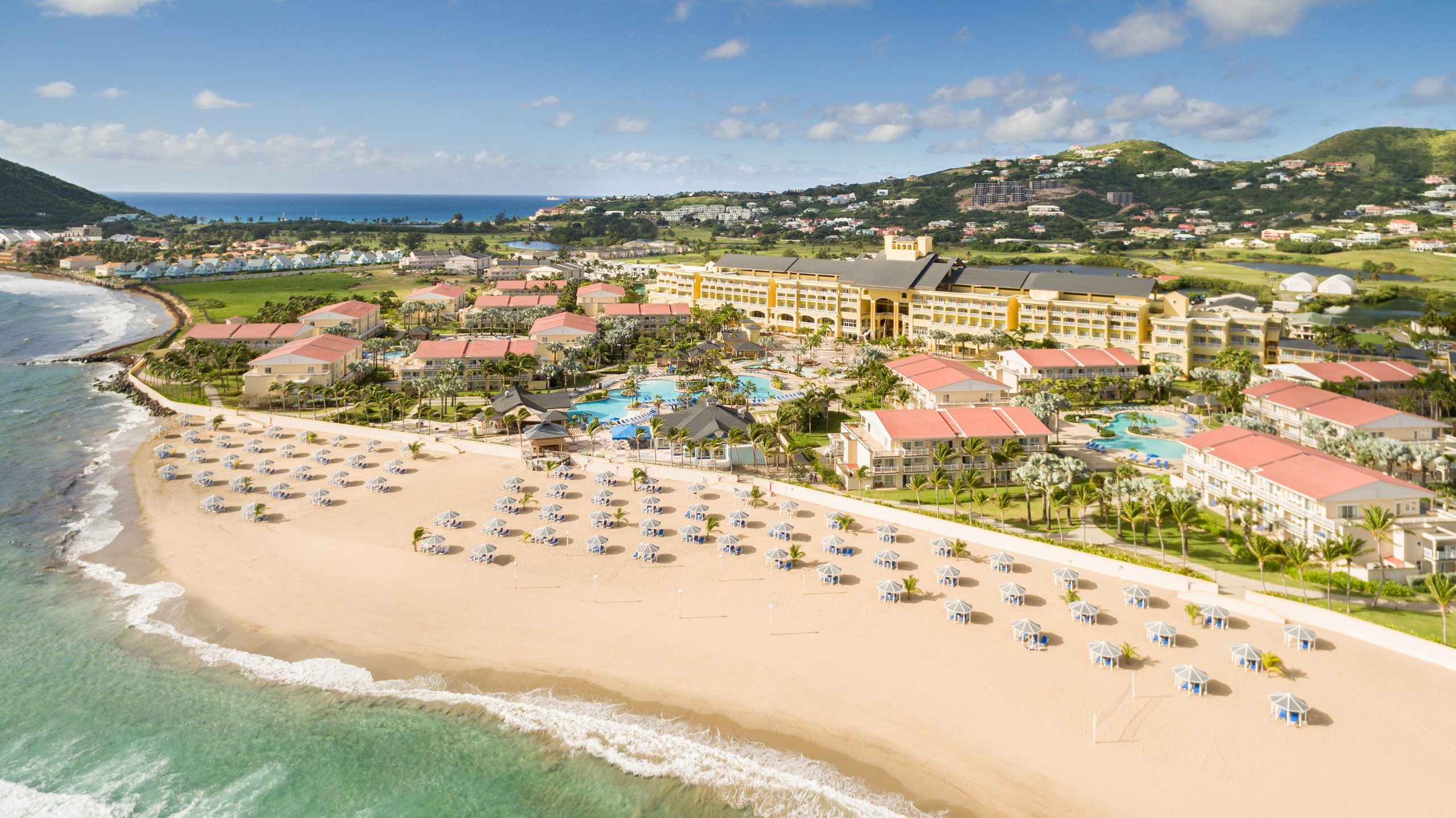
St. Kitts Marriott Resort
The biggest pool complex on the island and a full kids’ activity schedule, on Frigate Bay’s Atlantic side (more surf, less calm swimming).
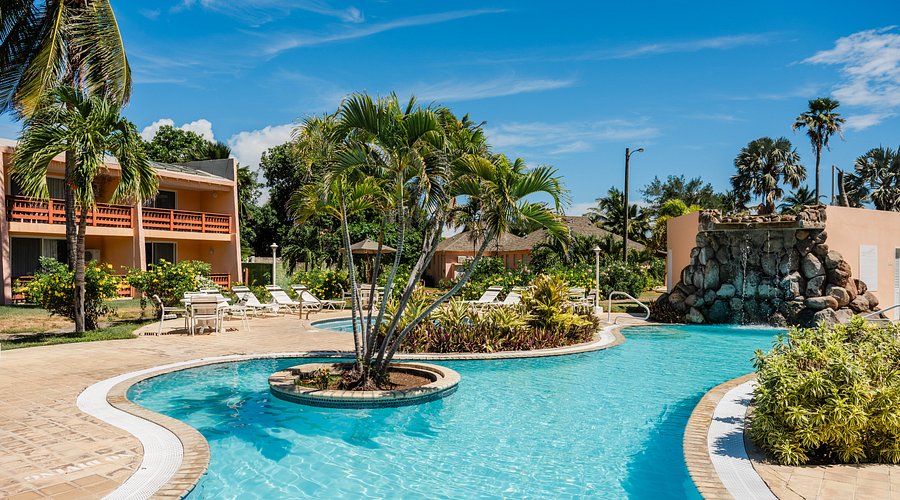
Sugar Bay Club
Kitchenette suites and two pools, an easy walk to the Frigate Bay restaurant strip.
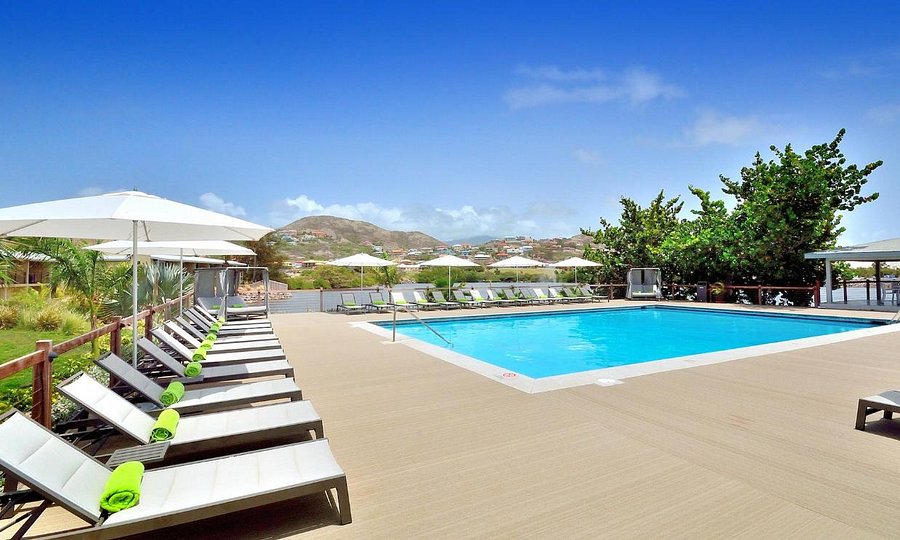
Royal St. Kitts Hotel
Full kitchens and condo-style rooms with no kids’ club and no resort fee markup, a budget-friendlier Frigate Bay option.
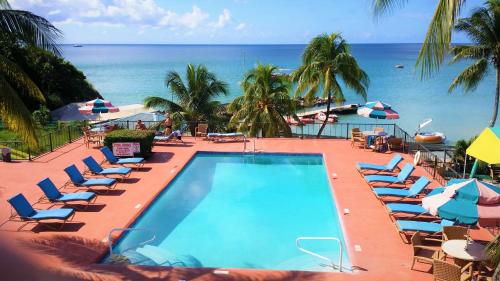
Timothy Beach Resort
Full-kitchen units set directly on Frigate Bay’s calm, Caribbean-side beach — no pool, but the beach is steps away.
Ready to Plan Your Trip?
Get a personalized St. Kitts itinerary built around your kids’ ages and your travel dates.