St. Thomas’ weather swings less dramatically than mainland destinations, but timing still
matters for families — mainly around hurricane risk, school-break crowding, and price. Here’s how the
year actually breaks down.
What to Know
- December through mid-April is dry season, peak crowds, and peak pricing — especially the two weeks around Christmas/New Year’s and February school-break weeks.
- May through June is a shoulder-season sweet spot: still relatively dry, noticeably cheaper, and before hurricane season ramps up.
- August through October carries the highest Atlantic hurricane risk; a trip in this window should include travel insurance covering weather cancellations.
- Average temperatures stay in a narrow band year-round (upper 70s to upper 80s Fahrenheit) — the difference across seasons is rainfall and storm risk, not heat.
- Rain typically arrives as short, heavy tropical showers rather than daylong washouts, even in the wetter months.
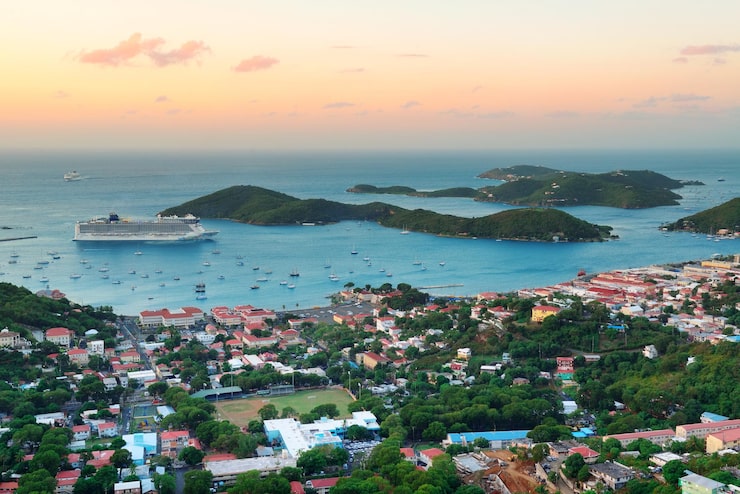
- Cruise ship traffic peaks in winter (December-April) and drops off substantially in late summer and fall, affecting crowd levels independent of weather.
Peak Season: December-April
This is the most reliable weather window and also the most expensive and crowded, particularly around
Christmas week, New Year’s, and the string of February school-break weeks that draw families from across the
US. If your travel dates are flexible, avoiding those specific peak weeks within the December-April window
still gets you the dry-season weather at a somewhat lower price.
Filter out the noise and find what works for your family.
Every resort we review gets one of four Family Fit ratings. The rating is based on kids programming, amenities, vibe, and who the resort actually markets to - not just whether they allow children.
Discover My Ideal Resort →Shoulder Season: May-June and November
May and early June offer a genuine sweet spot — still mostly dry, meaningfully cheaper on both
flights and lodging, and ahead of the worst of hurricane season. November, after the peak of hurricane risk
has passed but before winter crowds arrive, is a similar value window, though rain becomes somewhat more
likely than in May.
Hurricane Season: August-October
This stretch carries the highest storm risk in the Atlantic basin, and while St. Thomas isn’t hit every
year, a trip booked in this window should include travel insurance that specifically covers weather-related
cancellations and delays. Prices drop noticeably, which is the tradeoff families sometimes accept
deliberately — just go in with a flexible itinerary and a plan B if a storm forces a schedule change.
Checking which tours offer flexible cancellation before booking anything during this window is worth the extra few minutes.
How Weather Affects a Typical Day
Even in the wetter months, St. Thomas rarely sees an entire day washed out — showers tend to pass
through in 20-30 minute bursts, often clearing to sun shortly after. That makes flexible, loosely scheduled
days (rather than a tightly booked itinerary) the more resilient approach regardless of when you visit,
since a passing shower is more likely to shift your afternoon than cancel it. Building in one deliberately
unscheduled day, especially outside the December-April window, gives you a natural buffer if a bigger storm
system does pass through.
School-Break Weeks to Watch For
Beyond the broad December-April peak, specific school-break weeks compress demand even further —
the week of Christmas/New Year’s and the string of February and April school-break weeks (staggered across
different US states and countries) each bring a short, sharp spike in both crowds and prices. If your dates
are flexible by even a week, shifting off a specific break week rather than just avoiding “winter” broadly
can meaningfully change what you pay for the same trip.
Shoulder-Season Considerations
The weeks just before and after the winter peak — roughly mid-April and again in early December — often bring a useful middle ground: prices below peak-season rates, but weather and crowd levels close enough to high season that you’re not gambling much. Hurricane season officially runs June through November, with the statistical peak in August and September, so travel insurance with weather-related coverage is worth considering if you’re booking during those months. Cruise-ship schedules also affect how crowded beaches and Charlotte Amalie feel day to day more than the general season does, so checking the port schedule before finalizing dates can make a real difference.
Plan Your Days in St. Thomas
Browse family-friendly tours, snorkeling trips, and day activities on St. Thomas.
Quick Answers
What is the best month to visit St. Thomas with kids?
May or early June offers dry-season-like weather at meaningfully lower prices than the December-April peak, before hurricane season ramps up.
When is hurricane season in St. Thomas?
August through October carries the highest risk; travel insurance covering weather cancellations is worth having if you book this window.
Is St. Thomas crowded during winter?
Yes — December through April is both peak cruise season and peak family-travel season, with the highest prices and crowd levels of the year.
Where to Stay in St. Thomas

Ritz-Carlton St. Thomas
A baby concierge program, a kids’ waterslide, and free kayaks on a calm, protected beach in Great Bay.
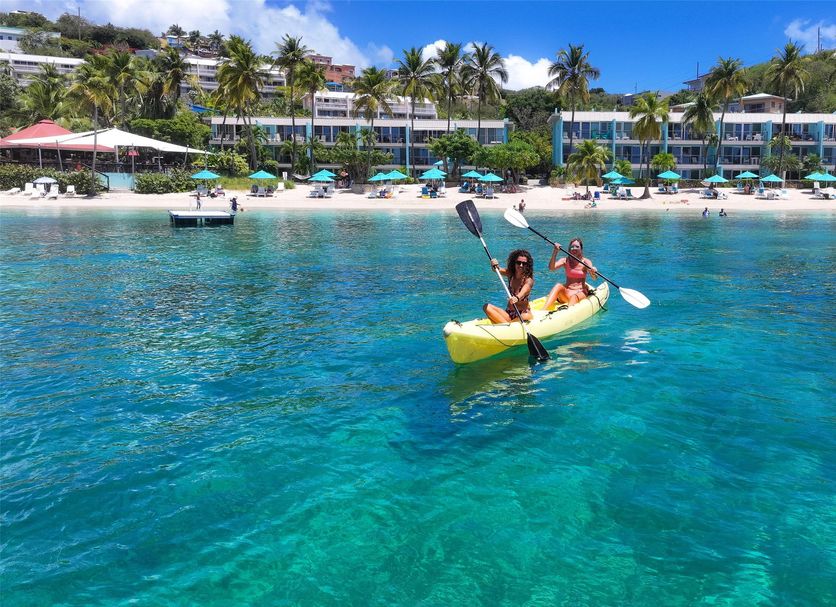
Secret Harbour Beach Resort
Full-kitchen suites directly on a calm snorkeling beach, a quieter and more budget-friendly alternative to the island’s big resorts.
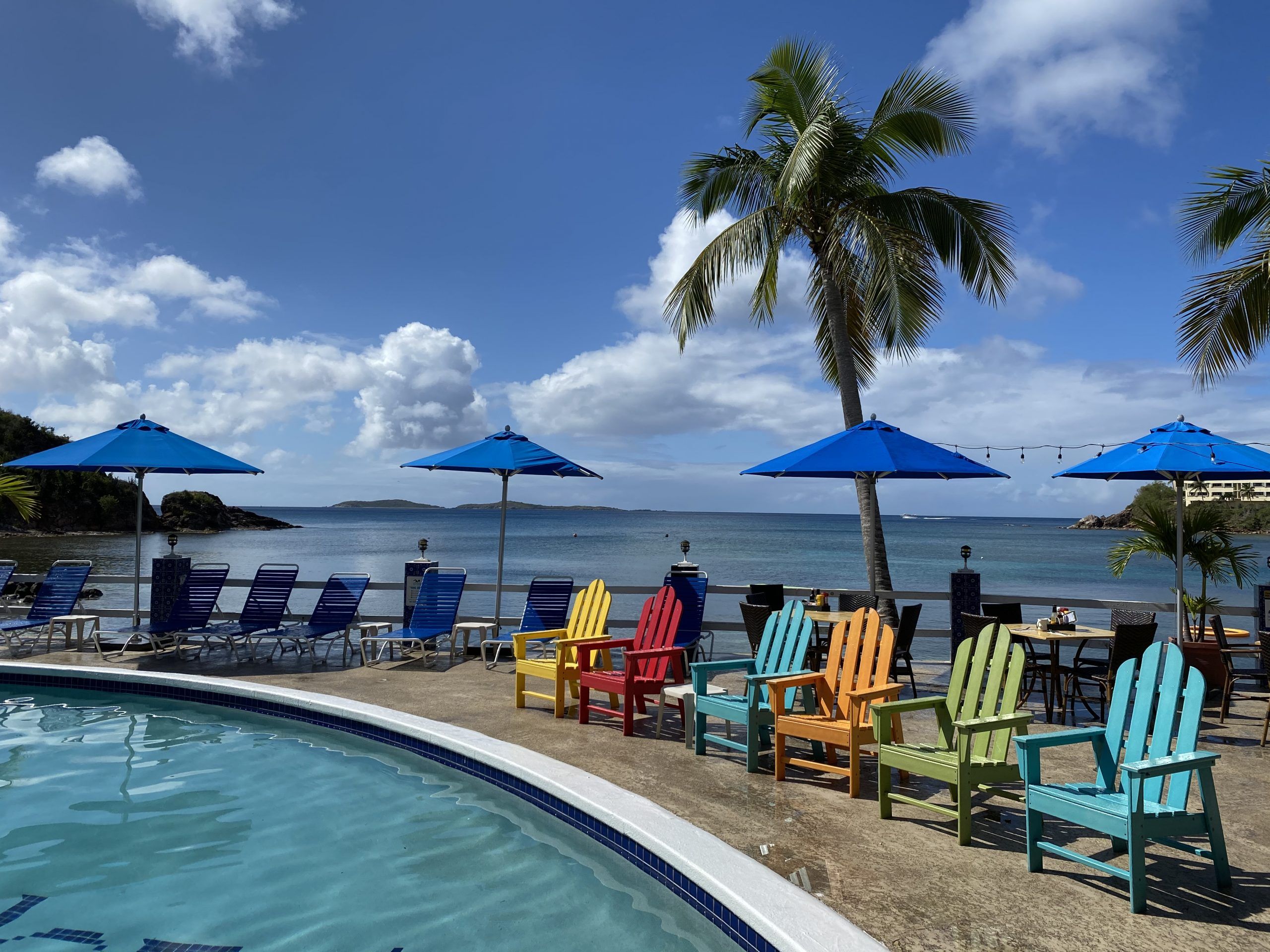
Bolongo Bay Beach Resort
An all-inclusive option with free kayaks and regular sea turtle sightings just offshore, simpler for families who’d rather not budget every meal separately.

Point Pleasant Resort
Villa-style units with full kitchens and three pools, right next to Coki Beach and its shore snorkeling.
Ready to Plan Your Trip?
Get a personalized St. Thomas itinerary built around your kids’ ages and your travel dates.