The Big Island’s biggest draws — Mauna Kea stargazing, volcano hikes, manta ray night snorkels — are exactly the things that don’t work with a baby or toddler in the mix. That doesn’t rule out a good trip, but it does mean planning around a shorter list of what’s actually doable rather than the island’s usual highlight reel.
Filter out the noise and find what works for your family.
Every resort we review gets one of four Family Fit ratings. The rating is based on kids programming, amenities, vibe, and who the resort actually markets to - not just whether they allow children.
Discover My Ideal Resort →What to Know
- Kamakahonu Beach in Kona, ‘Anaeho’omalu Bay in Waikoloa, and Carlsmith Beach Park near Hilo all offer calm, shallow, or walled-lagoon water genuinely safe for toddlers to wade in
- Mauna Kea summit tours don’t allow children under 13 because of altitude — this one is off the table regardless of how the rest of the trip goes
- The Manta Ray Night Snorkel requires a confident swimmer who can climb a boat ladder, which rules out toddlers entirely
- Hawaii Volcanoes National Park needs real caution with infants and young kids — sharp lava terrain and volcanic gas hazards aren’t compatible with a toddler who wants to touch everything
- Local companies rent cribs, strollers, and high chairs and deliver to your hotel — often easier than flying with your own gear
- Kona to Hilo takes 1.5-2 hours via Saddle Road or 2.5-3 hours via the southern coastal route — both are long stretches to ask a napping toddler to sit through
What’s Actually Doable
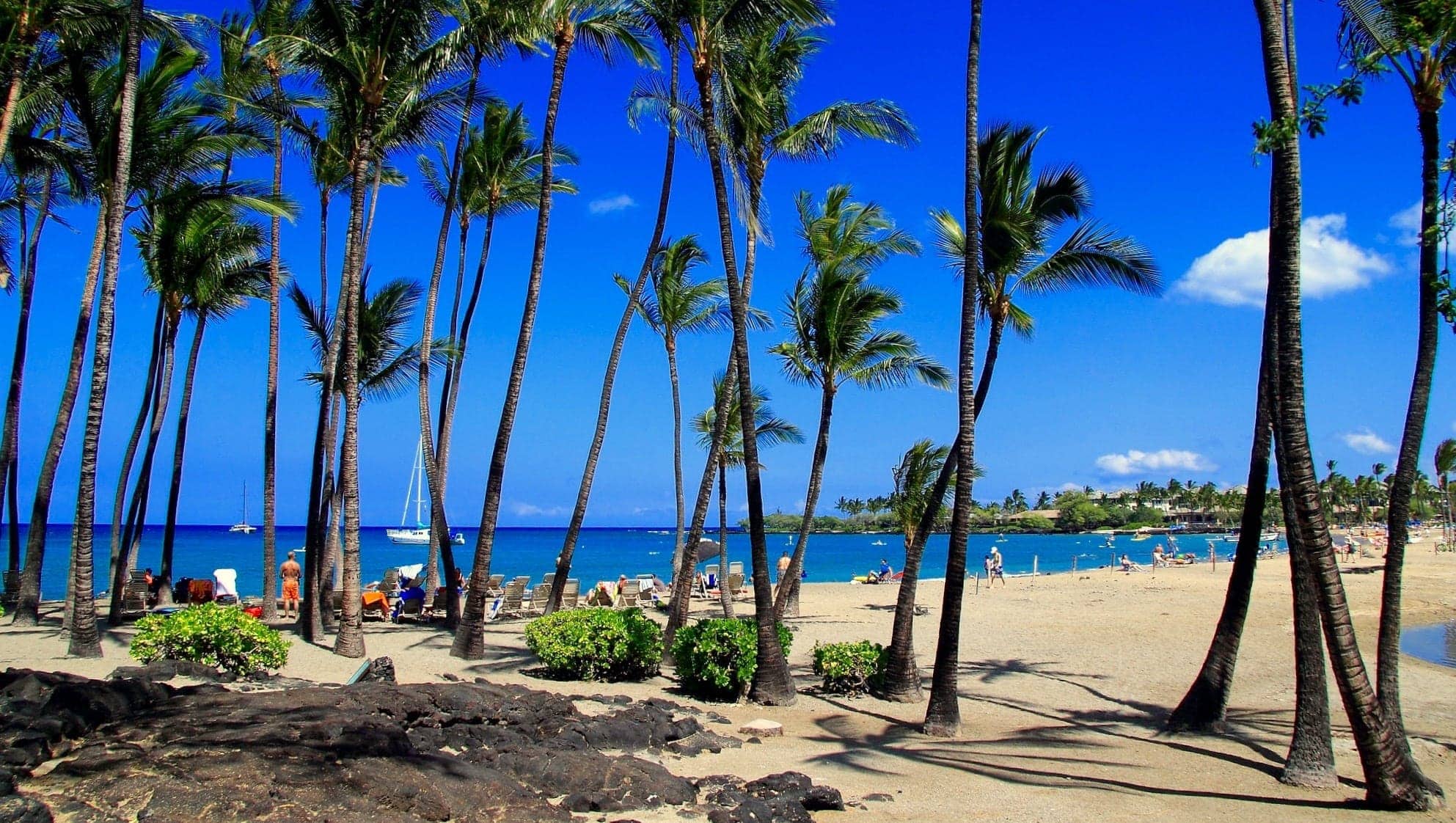
Three beaches stand out as genuinely toddler-safe. Kamakahonu Beach in Kona, sometimes called “Kids’ Beach,” has water that stays almost flat and a lawn area nearby for drying off and letting a toddler run around post-swim. ‘Anaeho’omalu Bay in Waikoloa offers a sandy entry and a shallow area good for splashing without much current to manage. Carlsmith Beach Park on the Hilo side is a walled lagoon where the water is almost still, making it one of the calmer wading spots on the wetter side of the island. On days when ocean conditions are rough anywhere else, a resort pool along the Kohala Coast is a reliable fallback that doesn’t require checking surf reports before heading out.
What to Skip Entirely
A few of the Big Island’s signature experiences are simply off the table with a baby or toddler, and it’s worth knowing that going in rather than discovering it at the door. Mauna Kea summit tours don’t allow children under 13 because of altitude concerns — this isn’t a soft recommendation, it’s an actual policy at the visitor center and with tour operators. The Manta Ray Night Snorkel requires participants to be confident swimmers who can climb a boat ladder in open water at night, which rules out toddlers regardless of how comfortable they are in a pool. Hawaii Volcanoes National Park deserves real caution rather than an outright skip — sharp lava rock terrain and volcanic gas hazards make it a place to keep a young child close and stick to paved, marked areas rather than letting a curious toddler wander.
Gear: Rent Rather Than Fly With It
Local baby gear rental companies deliver cribs, strollers, and high chairs directly to your hotel or rental, which tends to be easier than checking a stroller and a pack-n-play through two flights. It’s worth booking gear rental a couple weeks ahead during busier travel periods, since availability tightens as popular models get reserved. A condo or vacation rental with a kitchen is also worth prioritizing over a standard resort room — bottle warming, quick snacks, and nap-time flexibility all get easier with your own space rather than working around resort dining hours.
Managing the Island’s Size
The Big Island is genuinely large, and the classic Kona-to-Hilo question matters more with a baby than with older kids. Saddle Road is the faster route at 1.5-2 hours, while the southern coastal route runs 2.5-3 hours — both are long stretches for a baby or toddler, so timing the drive around a nap window (rather than fighting it) tends to make the crossing far more manageable. Given the drive time involved, many families with young kids do better basing themselves in one area — Kona or the Kohala Coast — for most of the trip rather than splitting time evenly between both sides of the island.
Building a Realistic Daily Rhythm
A trip that goes smoothly with a baby or toddler tends to protect the nap window rather than schedule around it — a morning at one of the calm-water beaches, back for a nap, and a low-key afternoon at the resort pool or a shaded spot works better than trying to fit in a full beach day plus a driving excursion. Given that the calmest, safest beaches for young kids also tend to be close to where families are already staying, the easiest schedule for a baby and the easiest schedule logistically tend to line up.
Things to Do on Big Island
Browse family-friendly tours and activities on Big Island, ranked from real traveler reviews.
Quick Answers
- What’s the best Big Island beach for a toddler? Kamakahonu Beach in Kona — almost flat water and a lawn area for drying off, right in town.
- Can babies do the Mauna Kea summit tour? No — children under 13 aren’t allowed due to altitude concerns.
- Should I fly with a crib and stroller, or rent on the island? Renting is usually easier — local companies deliver cribs, strollers, and high chairs directly to your hotel.
Where to Stay on Big Island
A few family-friendly places to base your trip:
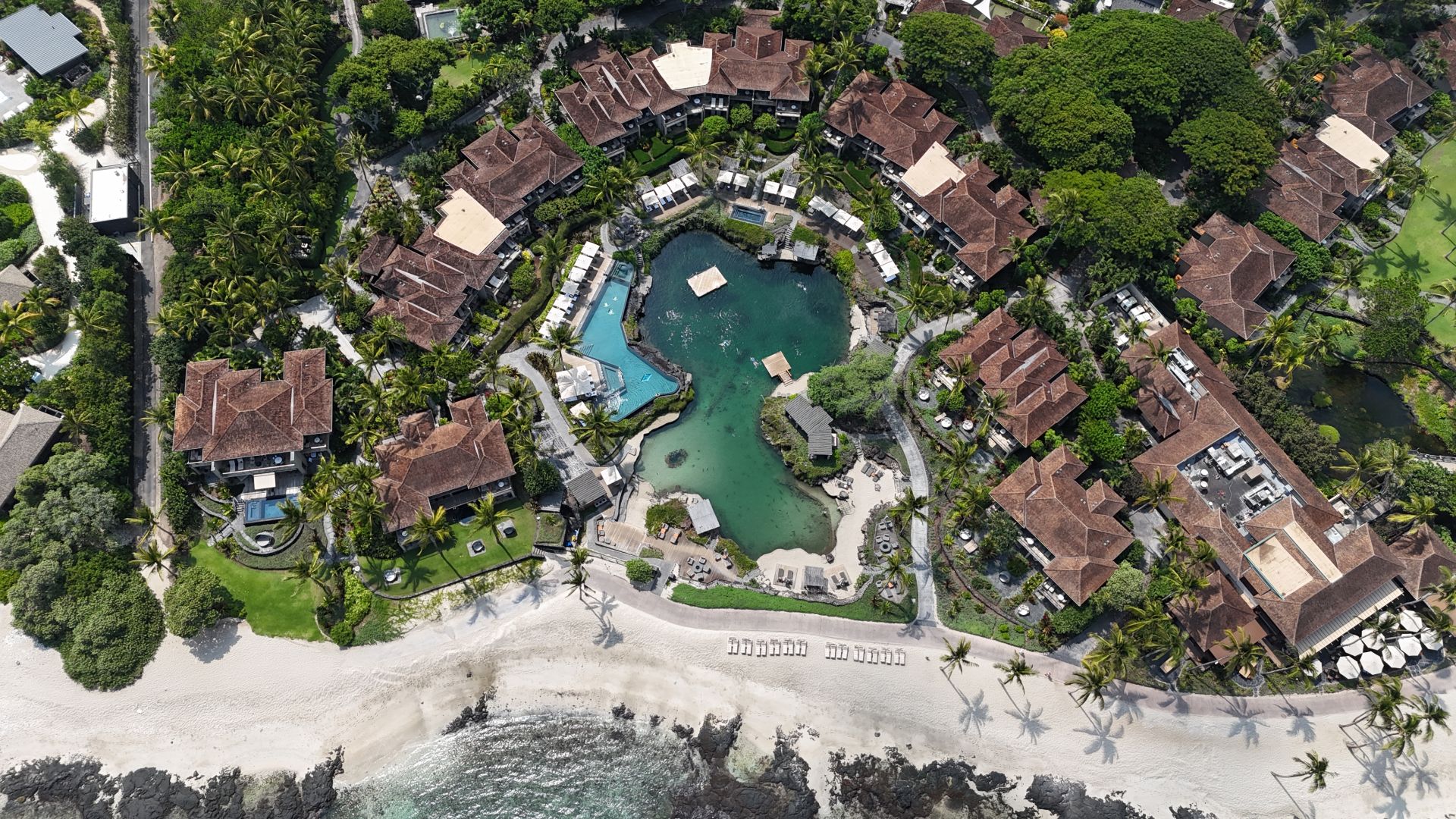 Four Seasons Resort Hualalai
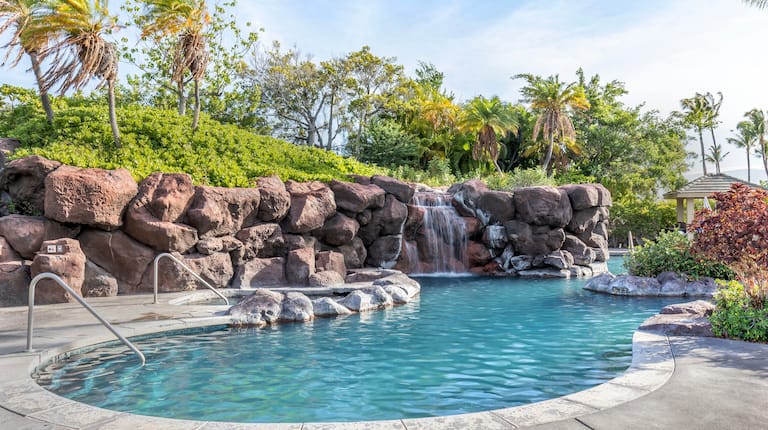 Kings’ Land by Hilton Grand Vacations
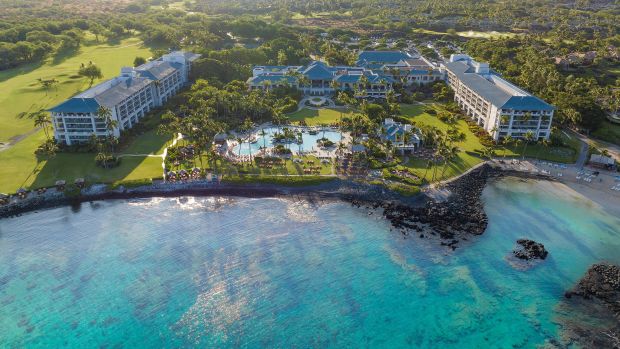 Fairmont Orchid
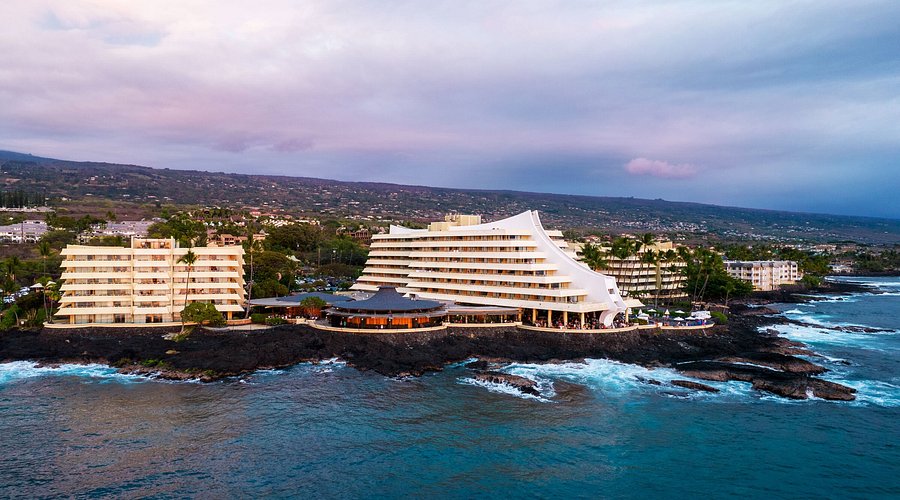 Royal Kona Resort
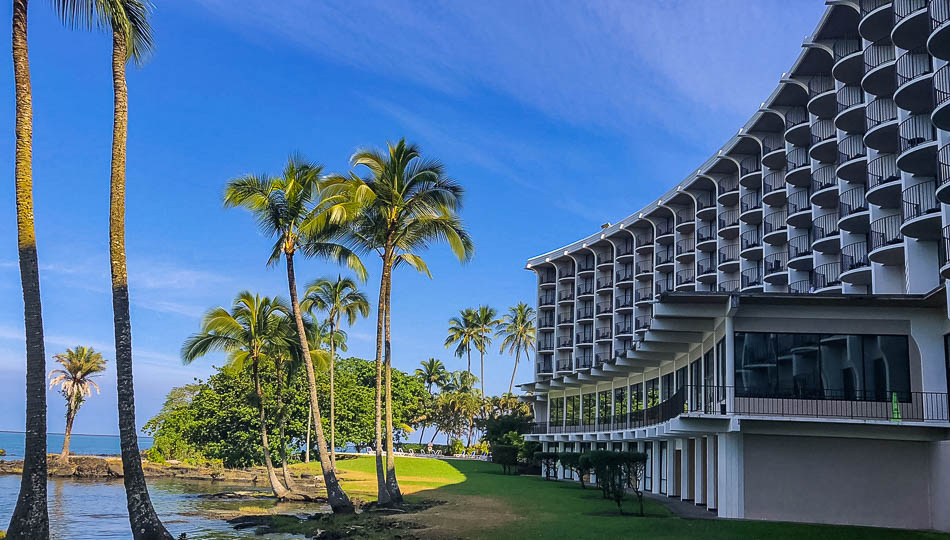 Hilo Hawaiian Hotel
Ready to Plan Your Big Island Trip?
Get a personalized family itinerary built around your kids ages, interests, and travel style — free.